Dagbon loses peace-bringer: Yaa Naa Mahama Abukari II dies after healing 16-year royal rift
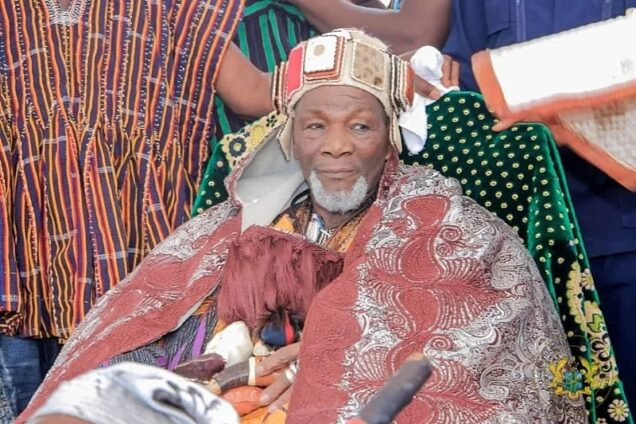
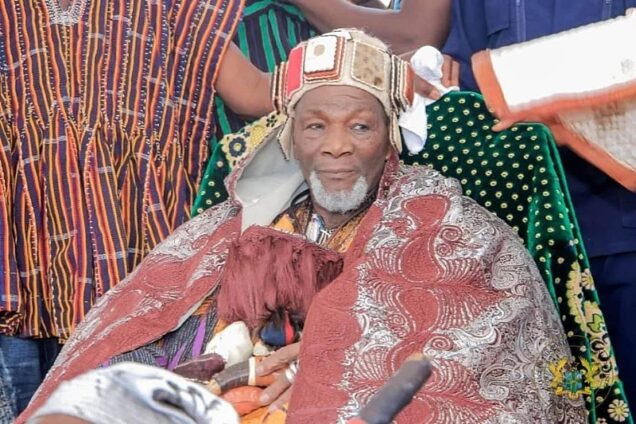
Dagbon has lost a unifying force with the death of Yaa Naa Mahama Abukari II, the 41st paramount chief of the Northern Region kingdom who spent his five-year reign healing divisions and restoring traditions fractured by one of Ghana's most protracted chieftaincy conflicts.
Enskinned on January 18, 2019, following a historic peace agreement, Yaa Naa Mahama Abukari II inherited a kingdom still bearing the scars of a 17-year crisis that began in 2002 when violent clashes between the rival Abudu and Andani royal gates left the Yendi throne vacant and traditional life in disarray. His ascension marked a watershed moment, ending an impasse that had crippled ceremonial activities, disrupted governance structures, and deepened communal wounds across Dagbon.
Born Bukali in Mion, the late Yaa Naa was the son of Yaa Naa Mahama II, a pre-war ruler who reigned from 1938 until 1948. Before assuming the Yendi skin, he held the Savelugu chieftaincy—one of three senior gate positions whose occupants are traditionally eligible for consideration by the kingmakers. This pathway, though long contested during the dispute, ultimately proved decisive after extensive mediation involving Ghana's government and respected traditional authorities drew both factions toward reconciliation.
A reign of restoration and symbolic unity
During his time as overlord, Yaa Naa Mahama Abukari II became recognised across Dagbon and nationally as an emblem of peace-building. His immediate priorities included reviving suspended traditional ceremonies and rituals that had lain dormant for over a decade, allowing the kingdom to reclaim its cultural identity. These actions were more than symbolic; they signalled to both royal gates and the broader Dagbon population that the period of rancour was genuinely over.
Observers and traditional leaders credited him with consistently strengthening dialogue between the Abudu and Andani groups, demonstrating restraint and diplomatic acumen even as underlying tensions occasionally resurfaced. His willingness to engage both sides fairly helped normalise relations and created space for shared governance of kingdom affairs.
Why it matters for Ghana
The Dagbon chieftaincy crisis was not merely a local concern. For nearly two decades, it destabilised the Northern Region's traditional authority structure, affected inter-community relations, and occasionally drew intervention from national government and international observers. The resolution symbolised Ghana's ability—when political will aligns—to navigate complex customary disputes through dialogue rather than force.
Yaa Naa Mahama Abukari II's passing now raises significant questions about succession. The kingmakers will again face pressure to select a candidate acceptable to both royal gates, a process that could test whether the 2019 peace framework is resilient enough to withstand another transition. The manner in which his successor is chosen will signal whether Dagbon's healing is durable or fragile.
For Ghana's broader chiefly institution, his death also serves as a reminder of the stakes involved when traditional authority is fractured. Unity at the apex of chieftaincy remains essential to the legitimacy and stability of customary governance, which still commands deep allegiance across many Ghanaian communities.
As Dagbon enters a new period of mourning and reflection, stakeholders will be watching closely to ensure that the legacy of reconciliation Yaa Naa Mahama Abukari II left behind endures.
Source: Today GH


Comments (0)
Be the first to comment.