Haruna Iddrisu mourns death of Yaa-Naa Abukari II, describes Dagbon in shock
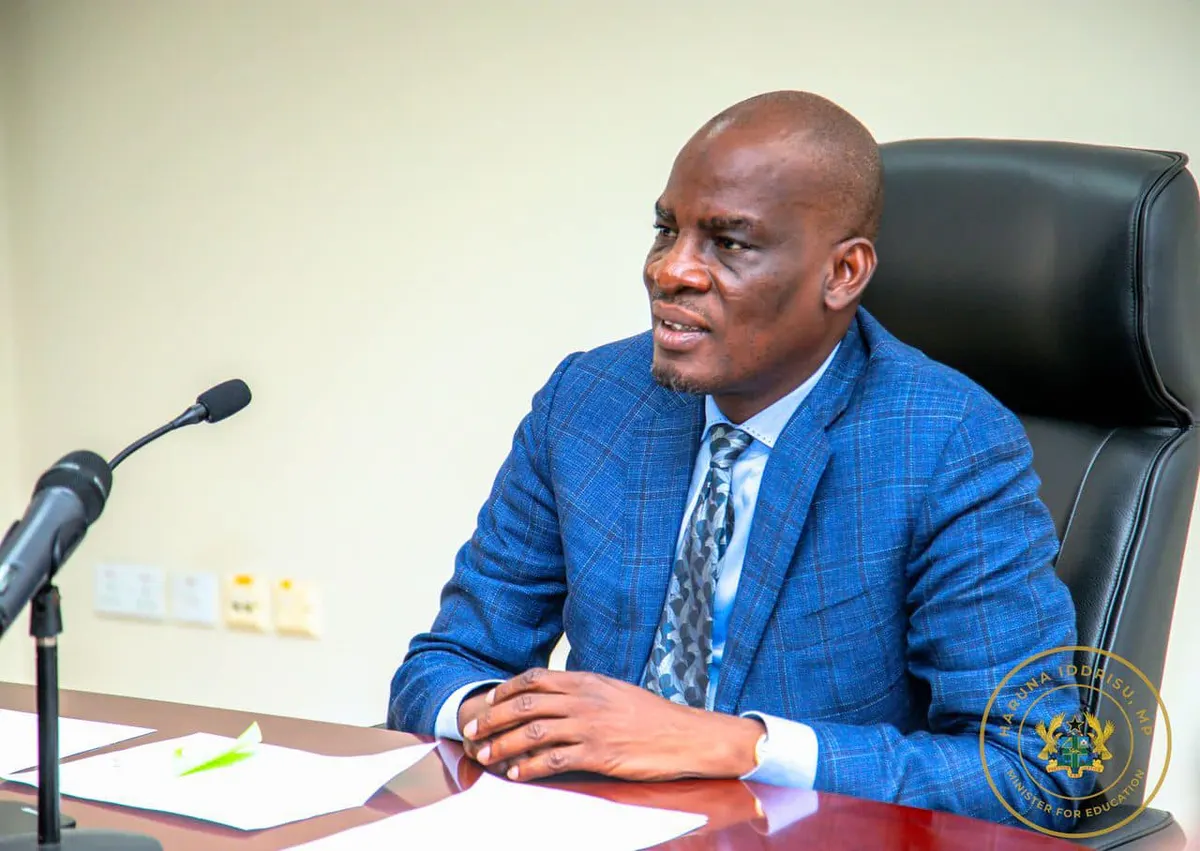
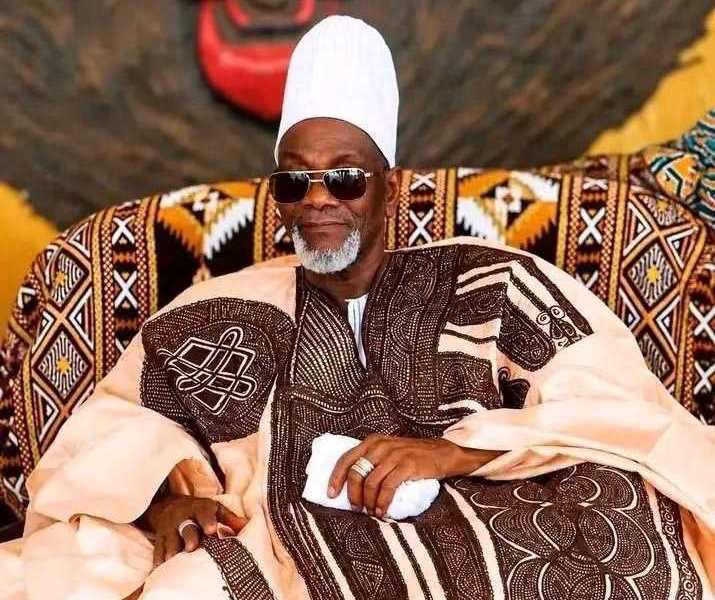
Haruna Iddrisu, the Member of Parliament for Tamale South, has issued a heartfelt tribute following the passing of Yaa-Naa Abukari II, the ruler of the Kingdom of Dagbon in the Northern Region. In his statement, Mr Iddrisu described Dagbon as being "plunged into a state of shock and mourning" following the monarch's death.
The death of a paramount chief of Yaa-Naa's stature carries significant weight in Ghanaian governance and tradition. As one of the most important traditional authorities in northern Ghana, the Yaa-Naa holds considerable influence over political, cultural and social matters across the Dagbon Kingdom, which encompasses parts of the Northern Region and has historical ties to broader developments in Ghanaian politics and regional stability.
Who was Yaa-Naa Abukari II
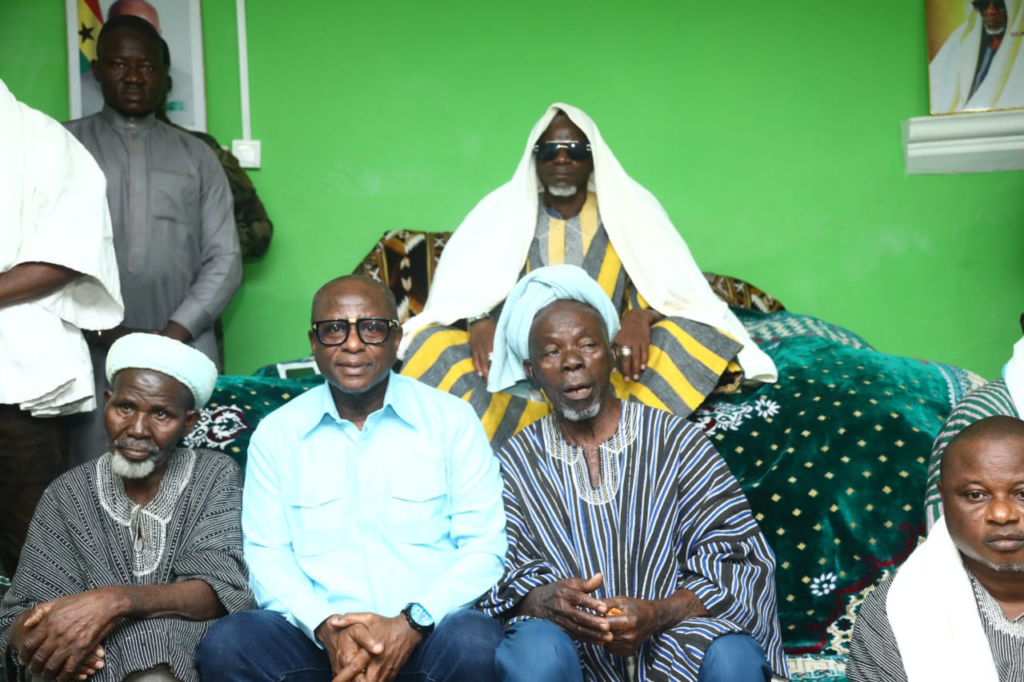
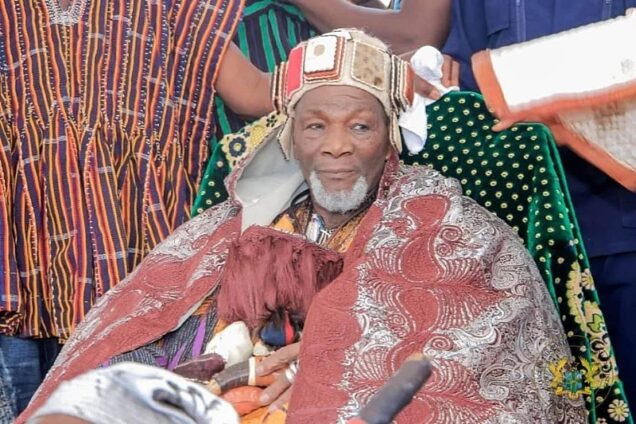
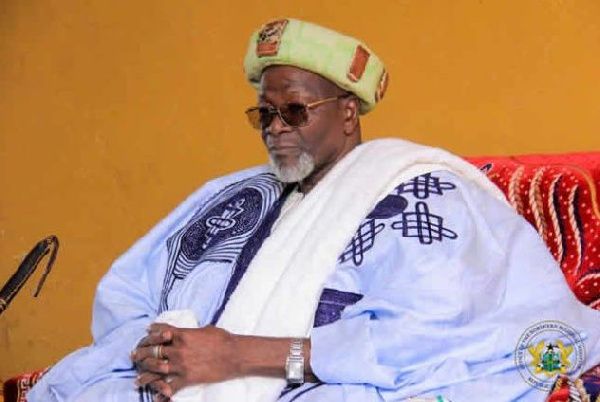
The Yaa-Naa is the paramount chief of Dagbon, a position that commands deep respect within Ghanaian traditional structures. The monarch serves as a custodian of Dagbani culture, traditions and history, and plays an important ceremonial and advisory role in matters affecting the kingdom and its people. The loss of such a leader typically triggers extended periods of mourning and raises questions about succession within the traditional hierarchy.
Why it matters for Ghana
The death of prominent traditional authorities like the Yaa-Naa has implications that extend beyond ceremonial significance. Dagbon has experienced historical tensions around chieftaincy succession disputes, which have at times affected peace and stability in the region. The transition to a new Yaa-Naa will likely involve careful navigation of customary succession protocols and could attract attention from government, civil society and community stakeholders.
For the Tamale South constituency and the Northern Region more broadly, the passing of Yaa-Naa Abukari II marks the end of an era. Traditional authorities in Ghana continue to play important roles in local governance, conflict resolution, and cultural preservation, working alongside elected officials like Mr Iddrisu. The relationship between parliamentary representatives and chiefs remains integral to how communities in the north address local challenges.
The tribute from Mr Iddrisu reflects the expectation that political leaders acknowledge and respect the role of traditional institutions. Such gestures help maintain the collaborative framework between modern democratic governance and time-honoured customary authority that characterises Ghana's unique institutional landscape.
The coming weeks will likely see formal funeral rites and the initiation of succession processes according to Dagbon's traditional customs, events that typically draw significant attendance from government officials, neighbouring chiefs and citizens across the region.
Source: 3News
Comments (0)
Be the first to comment.