Ghana's Government Pays Tribute to Late Ya-Na Abukari Mahama II, Hails Peace Legacy in Dagbon
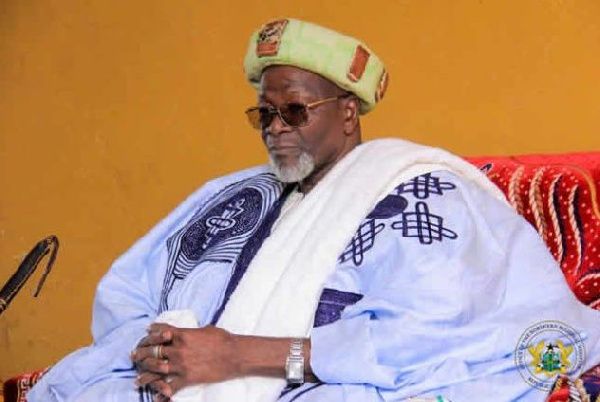
The Government of Ghana has expressed deep condolences following the death of Ya-Na Abukari Mahama II, the paramount ruler of Dagbon, acknowledging his significant contributions to peace and unity in the northern region. Officials have highlighted his instrumental role in healing decades of communal divisions that had marked the kingdom.
Ya-Na Abukari Mahama II's reign represented a turning point for Dagbon, a kingdom in the Northern Region that had endured prolonged chieftaincy disputes and communal tensions. His leadership brought together fractured communities and helped restore stability to the historic traditional state, earning respect from both local and national leaders.
A Ruler Who United a Divided Kingdom
The Ya-Na holds one of Ghana's most revered traditional titles, serving as the paramount chief of Dagbon. The kingdom had experienced significant turmoil before his reign, with succession disputes and communal conflicts creating divisions that affected economic and social development in the area. Ya-Na Abukari Mahama II's ascension and subsequent leadership marked a restoration of authority and legitimacy that many stakeholders had long sought.
His efforts to reconcile opposing factions within Dagbon and foster dialogue between previously estranged groups demonstrated diplomatic skill and commitment to traditional governance values. By prioritising consensus-building and respect for cultural institutions, he helped rebuild confidence in traditional leadership structures at a time when many questioned their relevance.
Why It Matters for Ghana
The death of such a prominent traditional leader carries national significance beyond Dagbon itself. Ghana's complex relationship with chieftaincy—balancing modern governance with respect for traditional authority—depends on leaders like Ya-Na Abukari Mahama II who command broad respect and demonstrate responsible stewardship. The stability he brought to Dagbon has wider implications for Northern Region development, security, and social cohesion.
Traditional rulers remain influential across Ghana, wielding authority over land disputes, cultural preservation, and community mobilisation. A respected Ya-Na contributes to regional harmony, which supports business confidence, educational advancement, and peaceful coexistence among diverse groups. The government's formal recognition of his passing underscores the continued importance of chieftaincy institutions in Ghana's governance framework.
Questions now centre on the succession process and whether the incoming Ya-Na will maintain the peaceful trajectory established under Abukari Mahama II. The kingdom's stakeholders, including government officials, will likely monitor the succession carefully to ensure continuity of progress.
Government and Community Response
By issuing an official statement, the Government of Ghana reaffirmed its commitment to supporting traditional institutions and recognising the contributions of respected leaders. Such acknowledgements help legitimise traditional authority whilst encouraging other chiefs to prioritise nation-building and community welfare over personal or factional interests.
The late Ya-Na's legacy will likely influence discussions around chieftaincy reform, conflict resolution mechanisms, and the role of traditional leaders in addressing contemporary challenges in Ghana's northern regions.
Source: 3News

Comments (0)
Be the first to comment.