Dagbon Loses Revered Leader as Ya-Na Abukari II Dies After Illness
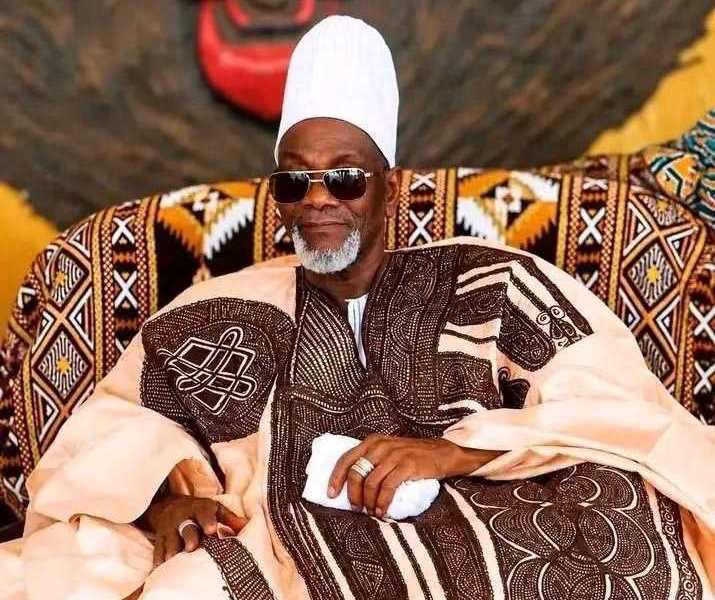
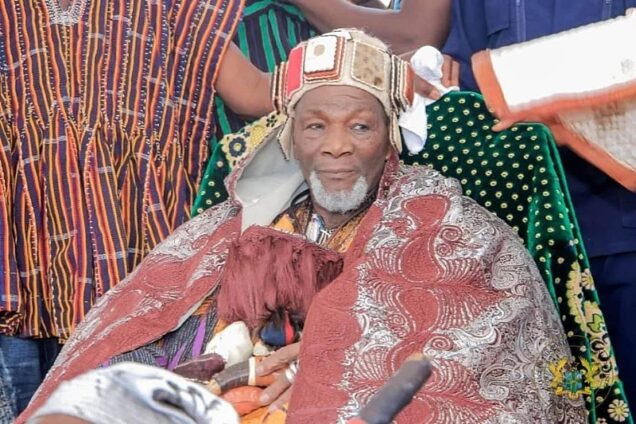
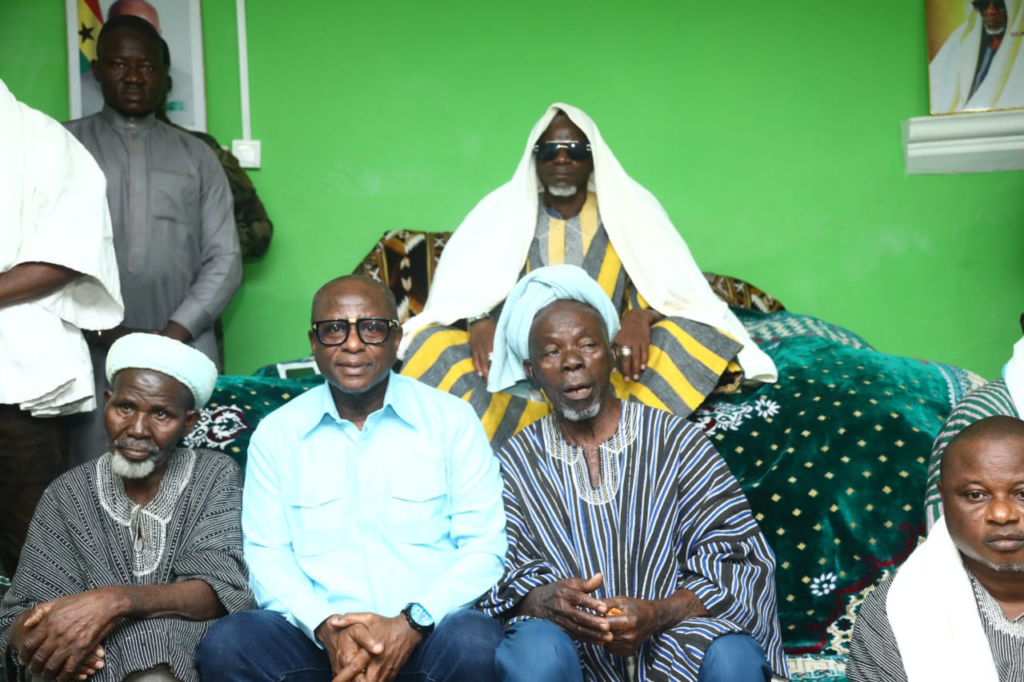
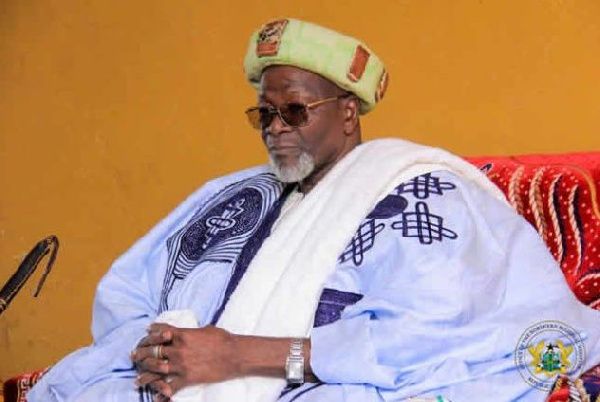
The Dagbon Kingdom is in mourning following the death of Ya-Na Mahama Abukari II, the reigning Overlord and President of the Northern Regional House of Chiefs. The respected traditional leader passed away after a brief illness, having travelled to South Africa for medical care. His death was formally announced on Monday, 13 July 2026, at the Gbewaa Palace in Yendi, following customary funeral rites and the sounding of the traditional talking drum—a ceremonial practice that precedes public notification of a Dagbon ruler's passing. The Head of the Dagbon Kingmakers, Kuga Naa Adam Abdulai II, made the official announcement.
A Reign of Reconciliation and Stability
Ya-Na Abukari II ascended the Yendi skin on 18 January 2019 as the 41st King of Dagbon, marking a watershed moment for the northern kingdom. His enskinment concluded a protracted chieftaincy dispute that had fractured Dagbon for sixteen years, having left the paramount stool vacant and divided the influential Abudu and Andani royal families. His reign brought renewed stability and helped mend the deep rifts within the kingdom's traditional leadership structure.
During his seven years in office, Ya-Na Abukari II earned widespread recognition for strengthening peace initiatives and revitalising traditional governance in Dagbon. He championed constitutional reforms aimed at modernising the kingdom's administrative framework whilst safeguarding its cultural heritage and customary practices. Among his notable initiatives was backing the rebranding of the Damba festival to enhance its potential for tourism and sustainable development in the region.
Succession Process and Regent's Role
In keeping with Dagbon tradition, Ya-Na Abukari II's eldest son has been enskinned as Kampakuya Naa Yakubu Abukari and will serve as Regent during the succession process. The Regent's responsibilities include managing the kingdom's affairs until the customary procedures for selecting and installing a new Ya-Na are completed. This process, rooted in Dagbon's centuries-old governance structures, typically involves consultation among the royal families and kingmakers to identify the most suitable candidate.
Why It Matters for Ghana
The death of Ya-Na Abukari II carries significant implications for Ghana's broader landscape of traditional governance and northern regional stability. As President of the Northern Regional House of Chiefs, he held considerable sway over customary affairs across the North and maintained important diplomatic relationships with government and other traditional authorities nationwide. The Dagbon Kingdom, centred in Yendi, is one of Ghana's most prominent traditional states, and the overlord's role extends beyond ceremonial functions to include community leadership and cultural preservation.
The successful resolution of the Dagbon chieftaincy dispute during his reign was considered a model for resolving similar conflicts in other traditional areas, demonstrating how dialogue and mediation could heal long-standing divisions. His death occurs at a time when Ghana's traditional institutions continue to play vital roles in land administration, dispute resolution, and cultural identity across communities. The forthcoming succession process will be closely watched not only within Dagbon but across Ghana as an indicator of the kingdom's continued stability.
Observers and traditional leaders nationwide have expressed condolences, reflecting the respect Ya-Na Abukari II commanded throughout the country. His legacy of peace-building and institutional reform will likely influence how Dagbon navigates its future and how other kingdoms approach their own governance challenges.
Source: Ameyaw Debrah
Comments (0)
Be the first to comment.