Ghana launches emergency nursing degree as government pushes maternal mortality drive in North
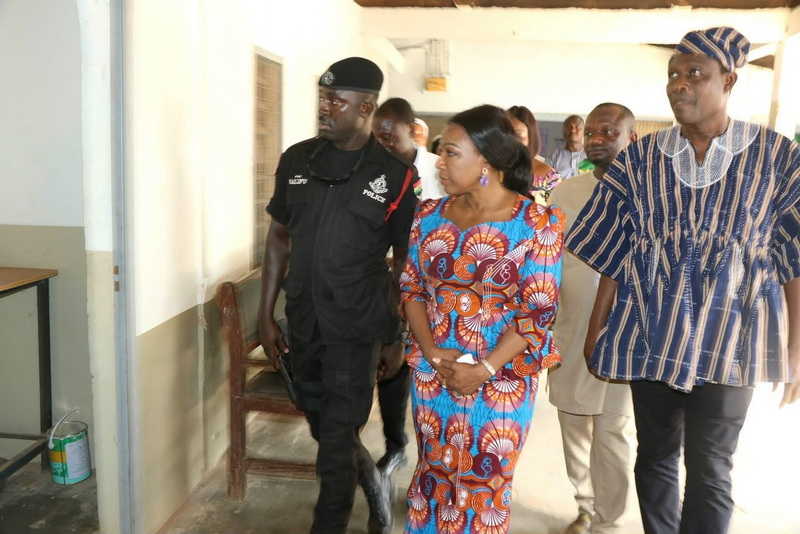
The government is ramping up efforts to reduce preventable maternal deaths and strengthen emergency healthcare capacity, with Deputy Minister of Health Dr Grace Ayensu-Danquah spearheading a major push across the Northern Region. The initiative combines grassroots engagement on maternal health with the launch of Ghana's first Bachelor of Science in Emergency Nursing Programme, signalling a broader commitment to healthcare workforce development.
During her regional tour, Dr Ayensu-Danquah visited communities in the Yendi Municipality, including Adibo and Gbungbaliga, as part of the Maternal Mortality Action and Response Programme (MMARP). The scheme brings together health authorities, traditional leaders and local communities to identify and tackle the root causes of preventable maternal deaths. She inspected healthcare facilities including Adibo Health Centre, a CHPS compound and Yendi Municipal Hospital, listening directly to residents about gaps in maternal care services.
Closing the healthcare access gap
A key plank of the government strategy is the Free Primary Health Care initiative, under which community health workers equipped with mobile health backpacks will conduct regular home and community visits to provide maternal and child health services. The approach targets vulnerable women in remote areas who face significant barriers accessing medical care during pregnancy and childbirth—a persistent challenge in rural Ghana.
Dr Ayensu-Danquah also stressed the role of nutrition in maternal and child health outcomes, encouraging households to adopt healthy diets using locally available foods. Traditional leaders in the region used the engagement to raise critical infrastructure gaps, appealing for additional health workers, facility expansion, staff housing, transport for outreach programmes, reliable drug supplies and backup power systems.
Building emergency nursing capacity
Beyond maternal health, the government is investing in Ghana's emergency healthcare workforce. At the Nurses' and Midwives' Training College in Tamale, 49 students were admitted into the newly established Bachelor of Science in Emergency Nursing Programme—the country's first such qualification. Dr Ayensu-Danquah welcomed the cohort at matriculation, reminding students of their critical role in saving lives and the demands of emergency care, which requires quick decision-making, technical expertise and empathy.
The programme forms part of the government's Reset Agenda and the Ghana Medical Trust Fund (Mahama Cares), initiatives aimed at strengthening the healthcare system through specialised training and improved services. College authorities described the degree as a pioneering step to enhance emergency care capacity nationally.
Why it matters for Ghana
Maternal mortality remains a significant public health challenge in Ghana, particularly in rural and underserved areas where women lack timely access to quality care during pregnancy and childbirth. The World Health Organization has identified lack of skilled health workers and weak emergency obstetric care as key drivers of preventable deaths. By combining community-level maternal health interventions with structured training for emergency nursing professionals, Ghana is addressing both immediate maternal health needs and long-term healthcare workforce gaps. The Northern Region focus reflects the reality that maternal mortality rates are higher in northern Ghana than in the south, making this a strategically targeted response. These initiatives could improve response times in obstetric emergencies and strengthen the chain of care for pregnant women and newborns across underserved communities.
Source: MyJoyOnline




Comments (0)
Be the first to comment.