Dagbon Kingdom loses its revered leader Yaa-Naa Abukari II
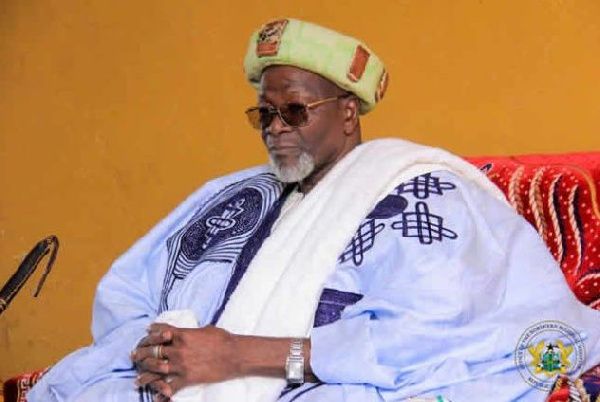
The Ministry of Local Government, Chieftaincy and Religious Affairs has announced the passing of Yaa-Naa Abukari II, the Overlord of the Dagbon Kingdom, expressing deep sorrow at the loss of a significant traditional leader. The ministry has characterised his death as a profound loss not only to the people of Dagbon in the Northern Region but to Ghana as a nation.
The death of a paramount chief of this stature carries considerable cultural and administrative weight in Ghana's chieftaincy system. Traditional leaders like the Yaa-Naa play crucial roles in their communities, serving as custodians of culture, mediators in disputes, and representatives of their people to government authorities. The loss of such a figure creates a significant void in both the spiritual and governance landscape of the kingdom.
Significance of the Yaa-Naa in Dagbon tradition
The Overlord of Dagbon is one of Ghana's most revered traditional positions, commanding respect across the three northern regions. The Yaa-Naa serves as the head of the Dagbon Kingdom, a major traditional state with deep historical roots in northern Ghana. This position carries responsibilities for maintaining cultural practices, settling chieftaincy disputes, and representing the kingdom's interests at regional and national levels.
The Dagbon Kingdom has played an important role in Ghana's traditional governance structure, and the death of any Yaa-Naa marks a significant moment in the region's history. Transitions in paramount chieftaincy leadership often lead to periods of heightened cultural activity and attention to succession protocols within traditional frameworks.
What this means for Dagbon and Ghana's traditional governance
The passing of Yaa-Naa Abukari II will likely trigger a succession process governed by Dagbon's traditional laws and customs. The kingdom will need to navigate the protocols for selecting and installing a new Overlord, a process that typically involves consultation with elders, consideration of royal lineage, and community consensus. Such transitions are closely watched within Ghana's traditional governance circles, as they can influence stability and cohesion within the kingdom.
For the Ministry of Local Government, Chieftaincy and Religious Affairs, the death underscores the ongoing importance of maintaining strong relationships with traditional authorities. The ministry works closely with chiefs and traditional rulers on local governance matters, community development, and cultural preservation. The loss of an experienced Overlord like the Yaa-Naa represents the loss of institutional knowledge and established channels of communication between traditional governance and state authorities.
The formal expression of condolences from the ministry signals the government's recognition of the Yaa-Naa's role in national affairs and its commitment to supporting the Dagbon Kingdom during this period of transition. Such acknowledgements help maintain the cooperative relationships essential for effective local governance and cultural preservation across Ghana's regions.
Source: 3News



Comments (0)
Be the first to comment.