
COP31 Stalls as Climate Talks Echo a 26-Year-Old Breakdown — What It Means for Africa
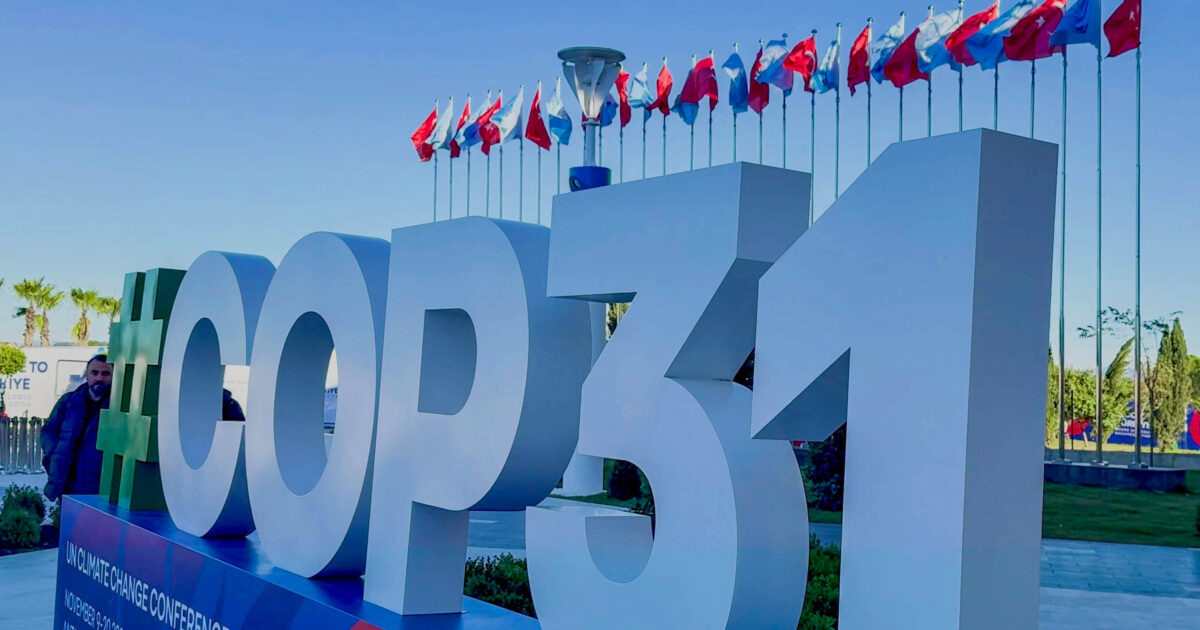

Climate negotiations at COP31 in Antalya, Türkiye, have extended beyond their scheduled close, with nearly 200 countries locked in bitter disagreement over fossil fuel language, climate finance and the future of global climate action. The impasse has drawn uncomfortable comparisons to COP6 in The Hague in November 2000, when talks aimed at implementing the Kyoto Protocol collapsed entirely — a failure that set back international climate diplomacy by years. For Ghana and the wider African continent, the stakes could hardly be higher.
What went wrong — and why the deadlock sounds familiar
Talks were originally due to conclude on Friday, 20 November, but countries remained deeply divided well past that deadline. At the centre of the dispute is an earlier draft text that removed explicit references to transitioning away from fossil fuels — a rollback that alarmed climate-vulnerable nations and advocacy groups who had celebrated similar language agreed at COP28 in Dubai. Climate finance for developing countries, long a pressure point in these negotiations, has once again proved deeply contentious.
The echoes of The Hague are striking. At COP6 in 2000, negotiators were tasked with settling the operational details of the Kyoto Protocol — how countries would meet emissions targets, how forests could be counted as carbon sinks, how carbon markets would function, and what penalties non-compliant nations would face. Those talks broke down because wealthy industrialised nations and developing countries could not agree on who should bear costs, how much flexibility should be allowed, and what genuinely counted as climate action. No agreement was reached, and the resulting delay weakened the momentum of global climate ambition for years.
At COP31, the core tensions look similar even if the language has evolved. The dispute over carbon markets, the credibility of emission reduction commitments, and the question of financial support for poorer nations are all present once again. What has changed is the urgency — the scientific evidence for accelerating climate impacts is now overwhelming, and many of the countries most at risk have contributed the least to the problem.
Why it matters for Ghana and Africa
Ghana is acutely exposed to climate change. Erratic rainfall patterns have disrupted farming communities across the north, coastal erosion threatens cities including Accra, and extreme heat is becoming more frequent. The country has submitted national climate plans under the Paris Agreement and has sought international finance to support both adaptation — protecting communities from climate impacts — and clean energy transition.
The failure to agree on robust climate finance at COP31 would directly affect Ghana's ability to implement these plans. African nations have consistently argued that the finance flowing from wealthy, historically high-emitting countries to the developing world remains far below what is needed. A deal that weakens finance commitments or strips out fossil fuel transition language would represent a significant setback for the continent.
Beyond Ghana, the broader African bloc — represented through the African Group of Negotiators — has pushed hard for binding commitments on adaptation finance, loss and damage funding, and an end to fossil fuel expansion. Any outcome that dilutes these positions could leave the continent bearing the costs of a crisis it did not create.
- Ghana faces heightened climate risks including coastal erosion, droughts and unpredictable rainfall that threaten food security.
- Africa's negotiators have consistently demanded stronger finance commitments from wealthy nations responsible for historical emissions.
- A collapse in talks, or a weak agreement, would slow the flow of climate funds that developing nations depend on to adapt and transition.
Can a collapse still be avoided?
Historically, climate negotiations have a tendency to drag past deadlines before producing a last-minute compromise — exhausted diplomats and the weight of international expectation often force a deal of some kind, even if it falls short of what vulnerable nations need. That was ultimately what happened after the COP6 collapse, when a resumed session in Bonn in 2001 produced the Bonn Agreements and kept the Kyoto Protocol alive.
Whether the same pressure will produce a meaningful outcome at COP31 remains to be seen. What is clear is that for Ghana and Africa, the difference between a strong agreement and a weak one — or no agreement at all — is not merely diplomatic. It is a matter of livelihoods, food security and the future of communities already living with the consequences of a changing climate. The world is watching Antalya, and so is Accra.
Source: MyJoyOnline

Comments (0)
Be the first to comment.