
COP31 Climate Deal on the Table: What Ghana and Africa Stand to Gain From Overnight Breakthrough
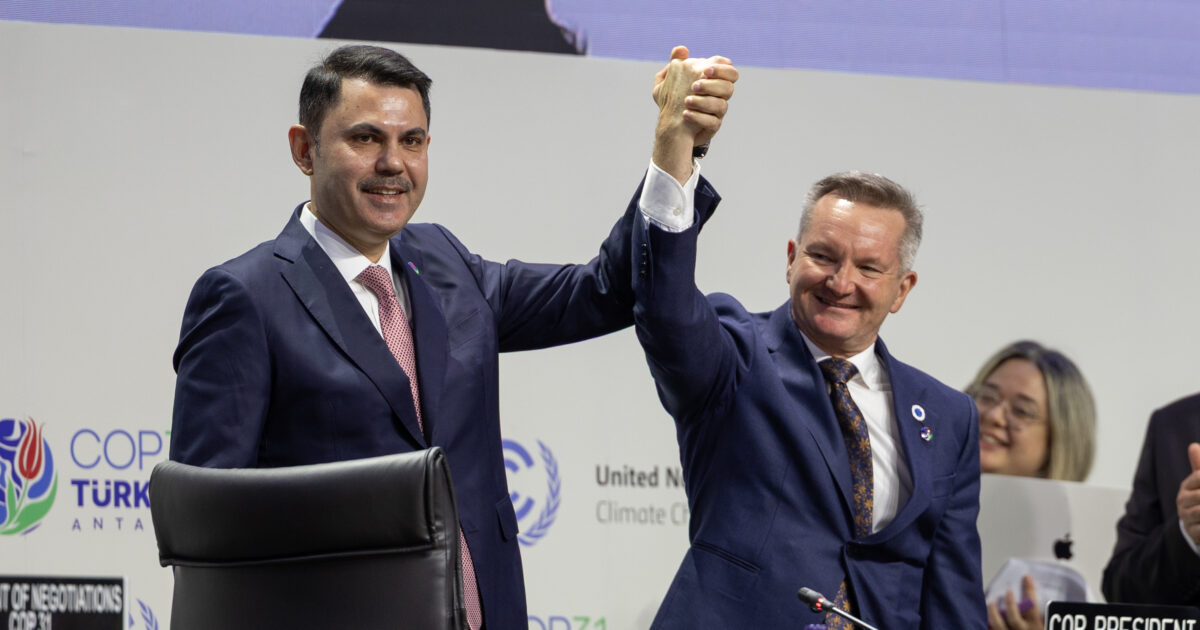

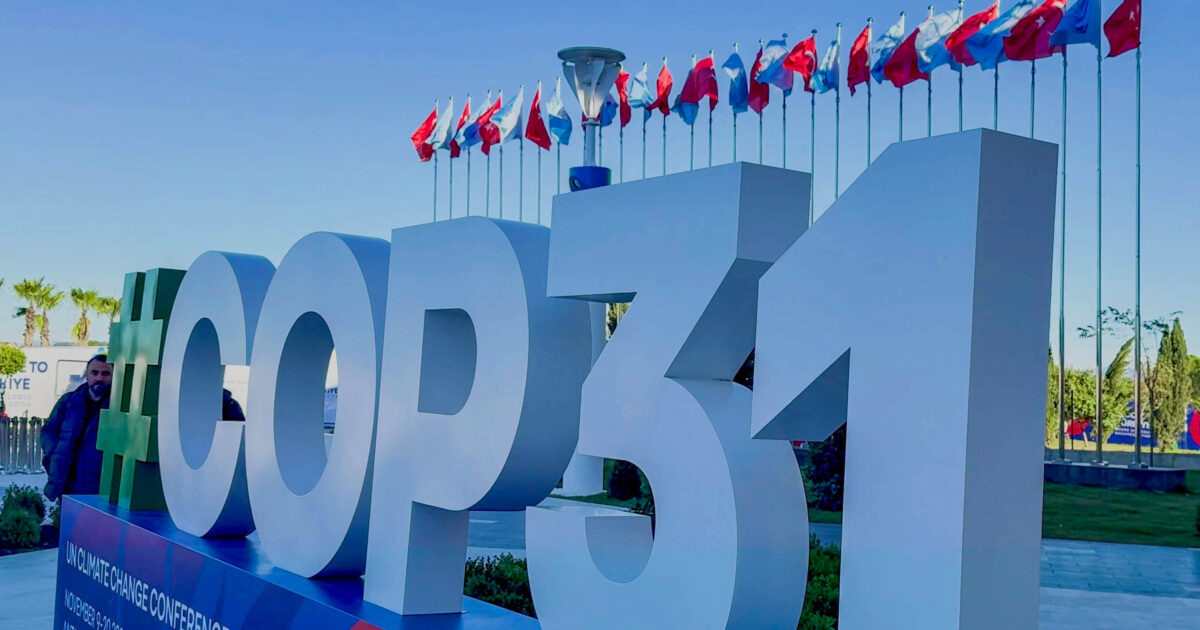
Negotiators at the COP31 climate summit in Antalya, Turkey, have put forward a new draft agreement after talks stretched well beyond their official deadline and ran into the early hours of Sunday morning. The proposed deal, backed by both the Australian and Turkish presidencies, attempts to bridge deep divisions over fossil fuels and climate finance — two issues that sit at the very heart of what African and other developing nations have long demanded from wealthier countries.
What the proposed deal contains
COP31 President Murat Kurum unveiled the revised text during a late-night plenary session, telling delegates: "We believe that we have put forward a text which all the parties can agree upon." The announcement came after days of difficult negotiations that blew past the official Friday deadline, continuing through Saturday before an agreement framework was finally tabled.
An earlier draft had drawn sharp criticism from climate campaigners and several delegations, particularly because it contained no reference to phasing out or ending the use of fossil fuels. The revised proposal is said to have addressed that gap, while also responding to calls for stronger and more concrete financial commitments to help developing countries adapt to the worsening effects of climate change.
Delegations were given until 0300 GMT to raise formal objections, with a follow-up session scheduled for 0600 GMT to begin the approval process. Whether the package would achieve the consensus required from nearly 200 countries, however, remained uncertain at the time of the announcement.
Why it matters for Ghana and Africa
For Ghana and much of the African continent, the stakes at COP31 could hardly be higher. Africa contributes a relatively small share of global greenhouse gas emissions yet bears some of the most severe consequences of climate change — from erratic rainfall patterns that threaten agricultural output, to coastal erosion along Ghana's shoreline, flooding in communities such as those in the Northern and Volta regions, and the increasing frequency of extreme weather events.
At the centre of African demands at every COP summit has been the question of climate finance: who pays, how much, and how quickly. The proposed agreement's attention to financial support for developing nations is therefore directly relevant to Ghana's ability to fund adaptation programmes, protect vulnerable communities, and transition towards cleaner energy sources without sacrificing economic development.
Ghana has also been navigating its own complex relationship with fossil fuels. The country remains a mid-sized oil producer and has significant natural gas resources, meaning any global agreement on the future of fossil fuels will have economic consequences at home. A deal that pushes for a managed transition away from fossil fuels — rather than an abrupt halt — would be closer to the position many African oil-producing states have advocated.
Beyond Ghana, the broader African bloc has consistently argued that developed nations, which industrialised on the back of centuries of fossil fuel use, bear a greater historical responsibility for the climate crisis and must provide meaningful financial support before expecting developing economies to accelerate their own energy transitions.
The bigger picture: a 1.5°C world slipping away
COP31 is taking place under particularly sobering circumstances. It is the first UN climate summit since the United Nations' environmental body confirmed that global temperatures are now on course to exceed the 1.5°C warming threshold that countries committed to limiting under the Paris Agreement. Exceeding that level would significantly increase the risk of catastrophic weather events, sea level rise, and food insecurity — outcomes that would hit Ghana and the rest of Africa disproportionately hard.
The pressure on negotiators to deliver a credible and ambitious deal is therefore immense. A watered-down agreement would not only disappoint climate advocates but could further erode trust between developed and developing nations — a trust deficit that has plagued UN climate talks for years.
- Finance commitments: Ghana and other developing nations are watching closely to see whether the final text includes firm, enforceable pledges on climate finance rather than aspirational language.
- Fossil fuel language: The inclusion of references to ending fossil fuel use marks an improvement on the previous draft, but advocacy groups are likely to scrutinise the precise wording.
- Consensus fragility: With nearly 200 countries required to agree, even a small number of holdouts could derail the proposed package entirely.
As delegates reconvened Sunday morning, the world — and particularly those countries on the frontlines of climate change — waited to see whether a truly meaningful agreement could finally be secured.
Source: MyJoyOnline

Comments (0)
Be the first to comment.