
Femi Kuti: Fela Was Never the Same After His Mother Was Killed by the Military
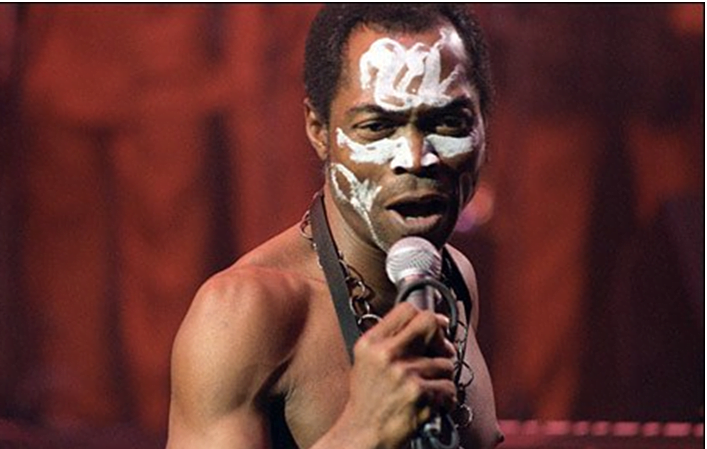

Afrobeat icon Femi Kuti has revealed that his father, the legendary Fela Anikulapo-Kuti, never truly healed from the loss of his mother, Funmilayo Ransome-Kuti, who died as a direct consequence of a brutal military assault on Fela's Kalakuta Republic compound in Lagos. Speaking in a candid interview with OkayAfrica, Femi described a man who, despite surviving imprisonment, poverty and state-sponsored persecution, could not overcome the grief of losing the woman who shaped him.
A legacy built on pain and resistance
Funmilayo Ransome-Kuti — a pioneering women's rights activist and one of Nigeria's most celebrated political figures — died on 13 April 1978, more than a year after soldiers raided Fela's Kalakuta Republic on 18 February 1977. She sustained fatal injuries during that raid and never fully recovered. Fela channelled his rage and anguish into one of his most powerful compositions, Coffin for Head of State, a direct protest against the military government he held responsible for his mother's death.
Femi recalled that the period following the raid was catastrophic for his father. Fela was forced to flee to Ghana temporarily, and upon returning to Nigeria, he was unjustly imprisoned by the Buhari military regime. When the subsequent head of state, Ibrahim Babangida, ordered his release, Fela emerged from prison a broken and impoverished man — housing as many as 150 people in a three-bedroom apartment. It was only through extensive touring abroad with his band that Fela managed to rebuild his finances.
"Fela was very rich and famous but the government did everything to break him," Femi said. "He came out poor. He was accommodating 150 people in a three-bedroom apartment. He only bounced back financially after he began touring abroad with his band."
What this means for Fela's enduring global legacy
Femi also reflected on the posthumous recognition his father has been receiving from prestigious institutions including the Grammy Awards and the Rock & Roll Hall of Fame — accolades Fela himself would have likely dismissed during his lifetime, given his well-known scepticism of Western validation. Yet Femi believes these honours would have offered some comfort had Fela lived to see them.
The remarks are significant because they humanise a figure who is often mythologised. Fela is rightly celebrated as a fearless activist and musical genius, but Femi's account reminds the world — and Africa in particular — that behind the bravado was a son shattered by his mother's violent death at the hands of the state.
Ghana holds a particular connection to this story. Fela sought refuge here after the Kalakuta raid, and the country's relatively open political climate at the time offered him a haven. It is a chapter in his life that is often overlooked but speaks to the deep cultural and historical ties between Ghana and Nigeria's artistic and activist communities.
Why it matters for Ghana
Afrobeat, the genre Fela pioneered by fusing Ghanaian highlife, jazz, funk and sharp political commentary, remains one of West Africa's most globally influential musical exports. Ghana's own music scene owes a considerable debt to the Afrobeat movement, and Ghanaian artists have long drawn inspiration from Fela's unapologetic stance against corrupt governance — a theme that resonates deeply on this side of the border too.
Femi Kuti, himself a Grammy-nominated musician carrying forward his father's legacy, continues to be one of the most important voices in African music. His reflections on his father's emotional wounds serve as a reminder that the costs of speaking truth to power are not only political or financial — they are profoundly personal. For Ghanaian audiences who celebrate Fela's music and legacy, understanding the full human story behind the icon only deepens that appreciation.
- Funmilayo Ransome-Kuti died in 1978 from injuries sustained during a 1977 military raid on Fela's compound.
- Fela was imprisoned by the Buhari military regime and released by successor Ibrahim Babangida.
- Femi believes posthumous honours from the Grammys and Rock & Roll Hall of Fame would have moved his father.
Source: The Ghana Report



Comments (0)
Be the first to comment.