Climate crisis unearths decades-old secrets: bodies of missing hikers revealed as Swiss glaciers collapse
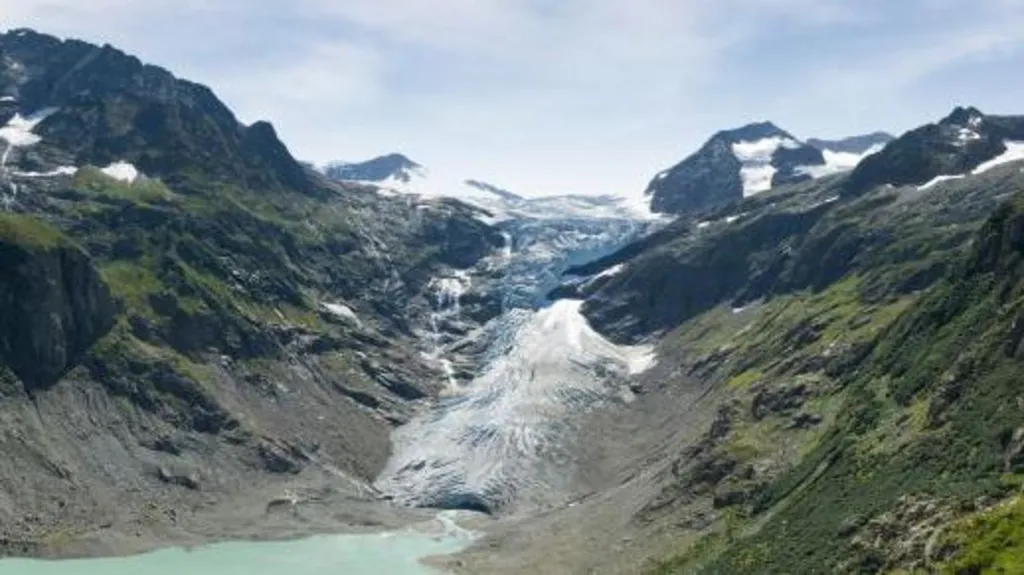
The tragic discovery of two Belgian hikers, missing for over three decades in the Swiss Alps, has put a human face on one of Europe's most visible climate crises. The bodies of the two men, aged 39 and 41 when they vanished in 1992 near Weissmies mountain, were found on 26 July on the Trift Glacier south of Lucerne. DNA analysis confirmed their identities, and officials have transferred their remains to a hospital in Sion for final disposition—a grim closure for families who had waited decades for answers.
The discovery underscores a troubling pattern: as Swiss glaciers retreat at an unprecedented pace, they are releasing the preserved remains of mountaineers and hikers lost to the mountains generations ago. This is not an isolated incident. In 2023, a German climber missing since 1986 was similarly found when glacier melt exposed his remains near the Matterhorn. Scientists warn that many more bodies may emerge as ice continues to vanish.
The accelerating collapse of Alpine ice
Switzerland's glaciers have become a stark barometer of global warming. According to Glacier Monitoring in Switzerland (Glamos), Swiss glaciers shrunk by approximately one-quarter between 2015 and 2025—a staggering loss in just a decade. The acceleration shows no signs of slowing: preliminary data for 2025 alone recorded a further 3% reduction, continuing a trend of record ice loss that peaked in 2022 and 2023.
The broader global picture is equally alarming. The European Commission's Copernicus monitoring body reports that glacier shrinkage has accelerated worldwide since the 1990s, with particularly steep declines since 2000. Scientists widely attribute this rapid retreat to human-driven climate change and rising global temperatures. In Switzerland specifically, unseasonably warm weather at high altitudes and reduced snowfall have compounded the problem, affecting not only mountain safety but also the nation's famous ski industry and winter sports competitions.
Why it matters for Ghana and Africa
While the Swiss Alps may seem remote from West Africa, the climate dynamics exposing these bodies are part of a global system that directly threatens Ghana and neighbouring nations. Glacier retreat in the Alps is a leading indicator of climate instability; what happens in mountain regions today often presages broader climatic shifts affecting rainfall patterns, water availability, and agricultural productivity across the tropics and subtropics.
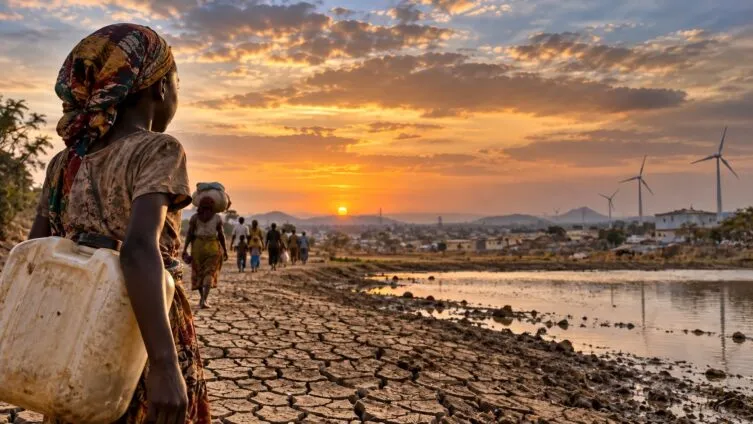
For Ghana, where agriculture remains central to the economy and where water security is increasingly fragile, the collapse of global ice systems signals accelerating climate stress. Rising temperatures drive changes in monsoon patterns, affect Lake Volta levels, and threaten crop yields. Ghana's participation in international climate negotiations and its commitment to the Paris Agreement are partly informed by watching how rapidly systems in regions like the Alps are destabilising. Additionally, Ghanaian environmental scientists and climate researchers monitor Alpine glacier data to understand global warming trajectories and to model potential impacts on West African weather systems.
The macabre nature of these discoveries—bodies preserved in ice for decades, then suddenly released—serves as a visceral reminder that climate change is not an abstract problem. It has concrete, often tragic, human consequences that span continents.
A growing database of the lost
Swiss police maintain a database of missing persons dating back to 1925, the majority of whom disappeared in mountains or water bodies. With each passing year of rapid glacier melt, the likelihood of further discoveries increases. The recovery of these two Belgian hikers, after 34 years, demonstrates both the preservative power of glacial ice and the temporary nature of that preservation as climate change accelerates.
For families of the missing, glacier melt offers a grim possibility of closure. For scientists and policymakers, each discovery reinforces the urgency of climate action.
Source: MyJoyOnline
.jpg)


Comments (0)
Be the first to comment.