
South Korea Pumps $4.5 Million Into Saving Ghana's Forts and Castles From Climate Damage
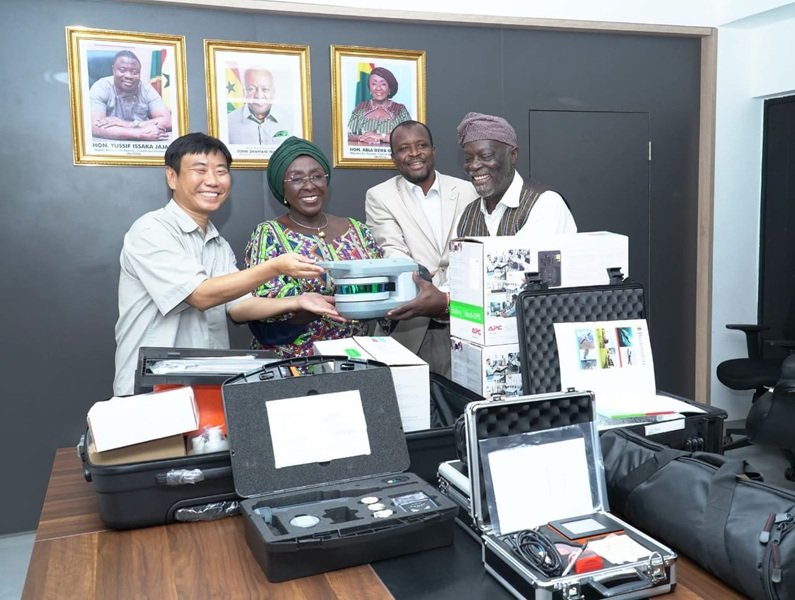

South Korea has handed over a fresh consignment of specialised equipment to Ghana to bolster the preservation of the country's iconic forts and castles, as the two nations deepen their collaboration on heritage conservation under the Korea-Ghana ICT Climate Project. The handover ceremony took place in Accra, marking a significant step in an ongoing partnership valued at US$4.5 million.
What was handed over and why
The newly delivered equipment is designed to support the study, maintenance and long-term preservation of Ghana's network of historic coastal fortifications. These structures, many of which date back to the European colonial era, face mounting threats from rising temperatures, humidity, coastal erosion and increasingly erratic weather patterns linked to climate change.
The Ghana Museums and Monuments Board (GMMB), the state body responsible for managing the country's heritage sites, will put the equipment to use as part of broader efforts to monitor deterioration and carry out timely restoration work. This second consignment follows an earlier delivery under the same bilateral programme, suggesting that the initiative is progressing in phases with practical outcomes at each stage.
At the handover, Tourism, Culture and Creative Arts Minister Abla Dzifa Gomashie thanked Korea for its sustained commitment, describing the support as vital to protecting assets that belong not just to Ghana but to all of humanity. The Ministry reaffirmed its intention to continue engaging international partners in the mission to safeguard these irreplaceable sites for both present and future generations.
Why it matters for Ghana
Ghana's forts and castles are among the most historically significant monuments on the African continent. Sites such as Cape Coast Castle and Elmina Castle are UNESCO World Heritage Sites and serve as solemn memorials to the transatlantic slave trade, drawing thousands of diaspora visitors — particularly African Americans — each year as part of heritage tourism.
Beyond their symbolic and emotional weight, these structures are a major economic asset. Heritage tourism contributes meaningfully to Ghana's tourism revenues, and the deterioration of these sites would have direct consequences for livelihoods in the communities surrounding them, particularly in the Central Region.
Climate change poses a very real and accelerating danger to these structures. Saltwater intrusion, increased rainfall intensity and rising sea levels are already causing visible damage to the foundations and walls of several coastal forts. Without sustained investment in monitoring technology and conservation expertise, the damage could become irreversible within decades.
The Korean partnership, with its focus on deploying ICT tools for climate-related heritage management, represents a modern approach to an old problem — using technology to track environmental changes and guide conservation decisions in real time.
Ghana-Korea relations and the broader picture
Ghana and South Korea have maintained diplomatic and development ties for several decades. Korea has invested in a range of sectors in Ghana including agriculture, infrastructure and digital development. The Korea-Ghana ICT Climate Project is a relatively newer dimension of this relationship, reflecting a global shift towards applying information and communications technology to environmental and cultural challenges.
The project also includes a capacity-building component, meaning Ghanaian professionals at the GMMB and related institutions are receiving training alongside the equipment — an approach that aims to leave lasting skills within the country rather than creating dependence on external support.
- Capacity building: Ghanaian heritage professionals are being trained as part of the programme, not just receiving equipment.
- UNESCO recognition: Cape Coast and Elmina castles are World Heritage Sites, raising the international stakes of their preservation.
- Community impact: Heritage tourism around these sites supports livelihoods in coastal communities across the Central Region.
Source: The Ghanaian Times

-1200x621.webp)
Comments (0)
Be the first to comment.