CEMSE pushes government to adopt strategic refinery policy amid energy security concerns
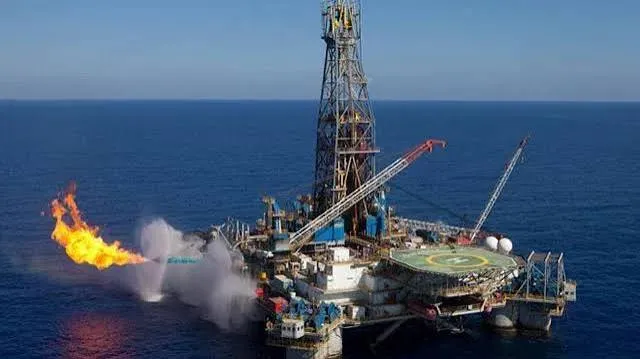
Ghana's energy security and economic resilience depend heavily on a coordinated approach to domestic petroleum refining, according to the Centre for Environmental Management and Sustainable Energy (CEMSE). The organisation's Executive Director, Benjamin Nsiah, has issued a fresh call for government to establish a comprehensive strategic policy framework governing the country's petroleum refining and downstream sector—a move experts argue could transform Ghana's position in regional energy markets.
Currently, Ghana exports crude oil while importing refined petroleum products, a paradox that drains foreign exchange and leaves the nation vulnerable to global price volatility. Nsiah's intervention highlights growing frustration within the policy community that despite possessing proven oil reserves and production capacity, Ghana has largely outsourced its refining capabilities to foreign operators, limiting local value-added opportunities and economic returns.
Why it matters for Ghana
Ghana's energy security rests on several pillars, and domestic refining capacity ranks high among them. A strategic refinery policy would address multiple challenges simultaneously: reducing import dependency, generating employment across the supply chain, and ensuring stable fuel availability at predictable costs. The downstream sector—which includes refining, distribution, and retail—directly affects transportation costs, manufacturing competitiveness, and ultimately the cost of living for ordinary Ghanaians.
The broader context involves Akosombo Dam challenges, intermittent hydroelectric output, and load shedding risks that have periodically disrupted the nation's power supply. A strengthened petroleum downstream sector could provide energy security backstop, ensuring reliable electricity generation through thermal plants whilst other renewable and hydro sources are developed. Furthermore, a coordinated refinery policy would attract capital investment, technology transfer, and partnerships with international operators keen to establish regional hubs.
The policy gap and economic implications
Without a clear strategic direction, Ghana's refining sector remains reactive rather than proactive. Private investors lack certainty about regulatory frameworks, tax incentives, and long-term demand projections. Neighbouring countries including Nigeria and Côte d'Ivoire have invested heavily in refining infrastructure, positioning themselves as regional energy nodes. Ghana risks falling behind competitors whilst leaving substantial revenue and employment potential untapped.
CEMSE's call underscores that energy policy cannot be fragmented across multiple agencies without coordination. A comprehensive strategic policy would establish clear objectives: targets for domestic refining capacity, timelines for investment, environmental and safety standards, and mechanisms for local content development. It would also define government's role—whether as regulator, minority stakeholder, or facilitator—and create transparency around licensing and concessions.
Moving forward
The government faces pressing decisions. Developing a strategic refinery policy requires technical expertise, stakeholder consultation, and political will. Key considerations include environmental protection, given upstream and downstream operations' ecological footprint, and ensuring communities hosting facilities benefit directly through employment and social investment.
Nsiah's appeal signals that policymakers, environmental advocates, and industry experts increasingly recognise that Ghana cannot sustainably depend on imports for a commodity it produces domestically. The question is whether government will translate this consensus into actionable policy before competitors consolidate their regional advantage.
Source: 3News



Comments (0)
Be the first to comment.