Building National Security From the Ground Up: Muntaka's Call for Decentralised Defence Strategy
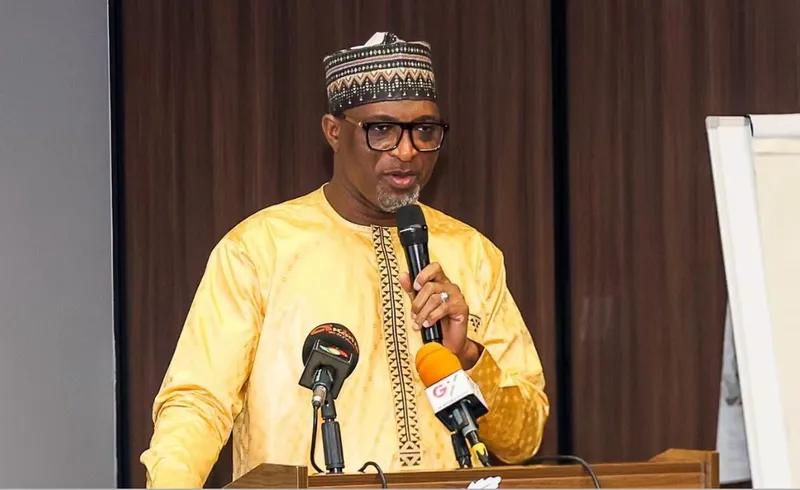
National security in Ghana requires a fundamental shift from capital-centred reactive measures to a decentralised, community-driven prevention model, according to a prominent call from within parliament. The argument underscores a critical gap in how the country has traditionally approached security challenges—focusing resources and decision-making in Accra whilst peripheral regions remain vulnerable to threats ranging from armed robbery to organised crime and extremism.
The push for regionalised security architecture reflects growing recognition that many threats originate in, and are best countered by, communities closest to them. Rather than waiting for national responses to problems already taking root locally, the proposal suggests embedding security capacity, intelligence networks and rapid-response mechanisms at district and regional levels.
Why This Matters for Ghana
Ghana faces mounting security pressures. Northern regions have contended with cross-border spillover from conflicts in Burkina Faso and Mali. Urban centres battle gang violence and armed robbery. Rural areas suffer cattle rustling and smuggling networks. Centralised responses, however well-intentioned, struggle to address the diverse, hyper-local nature of these threats. A decentralised approach would allow regional security committees, district assemblies and community leaders to identify emerging problems early, coordinate prevention strategies tailored to local contexts, and deploy resources efficiently. This also builds resilience: if communities are equipped to handle low-level threats before they escalate, national security forces can concentrate on larger, cross-border and organised crime challenges.
The strategy aligns with Ghana's existing decentralisation framework under the Local Government Act, yet security policy has lagged behind. Regional and district authorities often lack dedicated security budgets, trained personnel or formal coordination mechanisms with national agencies. Communities themselves—the first line of defence—typically have no structured role in security planning.
From Fragmentation to Coordination
Currently, multiple actors operate in silos: the Ghana Police Service, military, national intelligence agencies, immigration, customs and local authorities often work without seamless coordination. This fragmentation creates blind spots and duplicates effort. A coordinated, tiered security framework would establish clear chains of command and information-sharing protocols linking community level to national level. District security committees could monitor local incidents, feed intelligence upward and implement prevention programmes. Regional coordinators would synthesise data, allocate resources and escalate threats requiring national intervention.
Prevention is inherently cheaper and more effective than reaction. Catching organised crime rings before they operate across multiple regions, identifying radicalisation early, and stopping smuggling routes before they establish saves money and lives. Communities equipped with training, communication tools and a formal voice in security planning become force multipliers for national agencies.
The Path Forward
Implementing this shift requires political will, investment and institutional reform. Budgets must flow to regional and district security functions. Personnel need training in intelligence gathering, community policing and crisis response. Frameworks must clarify roles and accountability. Civil society and traditional authorities—who hold deep community trust—should be formalised as security partners.
Ghana's security depends not on what Accra decides alone, but on what communities prevent, detect and report. Moving from centralised reaction to distributed prevention represents an overdue evolution in how the nation safeguards itself.
Source: 3News



Comments (0)
Be the first to comment.