Weija-Gbawe MP calls for parliamentary inquiry into cocaine seizures

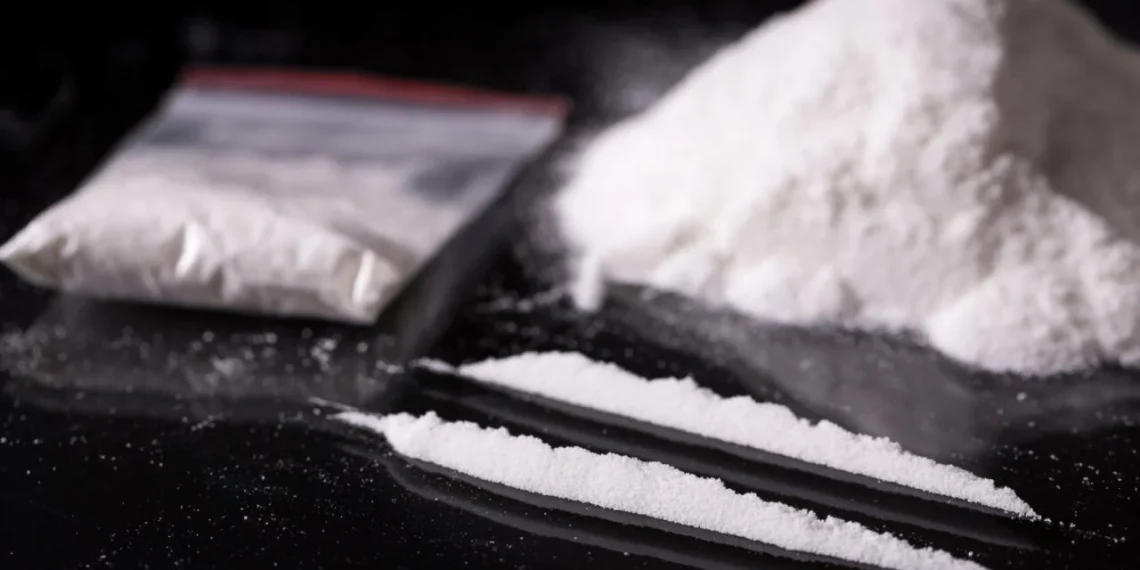
The Second Deputy Minority Whip and Member of Parliament for Weija-Gbawe, Jerry Ahmed Shaib, has justified the Minority's call for a parliamentary investigation into Ghana's recent cocaine seizures, emphasising that the demand stems from a need for institutional accountability rather than political point-scoring.
The call for a probe follows multiple high-profile drug busts at Ghana's ports and airports in recent months, raising concerns about security vulnerabilities and the effectiveness of anti-narcotics operations. Shaib's statement signals that the opposition is seeking clarity on how these large quantities of cocaine entered the country and whether proper protocols were followed by relevant agencies.
The drugs crisis and Ghana's security challenges
Ghana has increasingly become a transshipment hub for narcotics trafficking, with the country's strategic location on West Africa's coast making it attractive to drug cartels. Recent seizures have exposed potential gaps in border security and customs operations, prompting questions about whether existing institutional frameworks are adequate to combat the growing problem.
The Minority's push for parliamentary oversight reflects broader concerns about transparency and accountability in Ghana's security agencies. A parliamentary inquiry could examine how contraband drugs repeatedly bypass detection systems, whether there are systemic weaknesses in intelligence gathering, and if any officials have been complicit in allowing shipments through.
Why it matters for Ghana
Parliamentary scrutiny of drug-related incidents is crucial for several reasons. First, it sends a signal to international partners that Ghana takes the drug trade seriously and is willing to investigate institutional failures. Second, it helps protect Ghana's reputation, as being perceived as a weak link in anti-narcotics efforts can attract more trafficking networks and damage diplomatic relations.
The issue also has domestic implications. Drug trafficking fuels organised crime, corruption, and violence in communities. When large quantities of cocaine slip through official channels, it undermines public confidence in state institutions and raises questions about whether some officials are benefiting from the trade.
Shaib's emphasis on institutional accountability rather than partisan scoring is significant. It suggests the Minority views this as a genuine governance issue rather than merely an opportunity to criticise the ruling government. However, parliamentary inquiries in Ghana sometimes become platforms for political grandstanding, so the effectiveness of any investigation will depend on whether all parties are genuinely committed to uncovering facts.
The path forward
For a parliamentary probe to be credible and effective, it should examine:
- How cocaine shipments were detected and seized
- Which agencies were involved and whether protocols were properly followed
- Potential vulnerabilities in port and airport security systems
- Whether any officials require investigation for possible complicity
- Recommendations for strengthening anti-narcotics operations
The government and Minority must work together to ensure such an inquiry produces actionable findings rather than serving as a platform for blame-shifting. Ghana's fight against drug trafficking requires institutional reforms, better coordination between agencies, and sustained political will—all of which demand honest examination of how these cartels continue to exploit Ghana's vulnerabilities.
Source: 3News

Comments (0)
Be the first to comment.