Ghana's drug trafficking crisis deepens: Three arrested over French cocaine seizure as Parliament demands inquiry
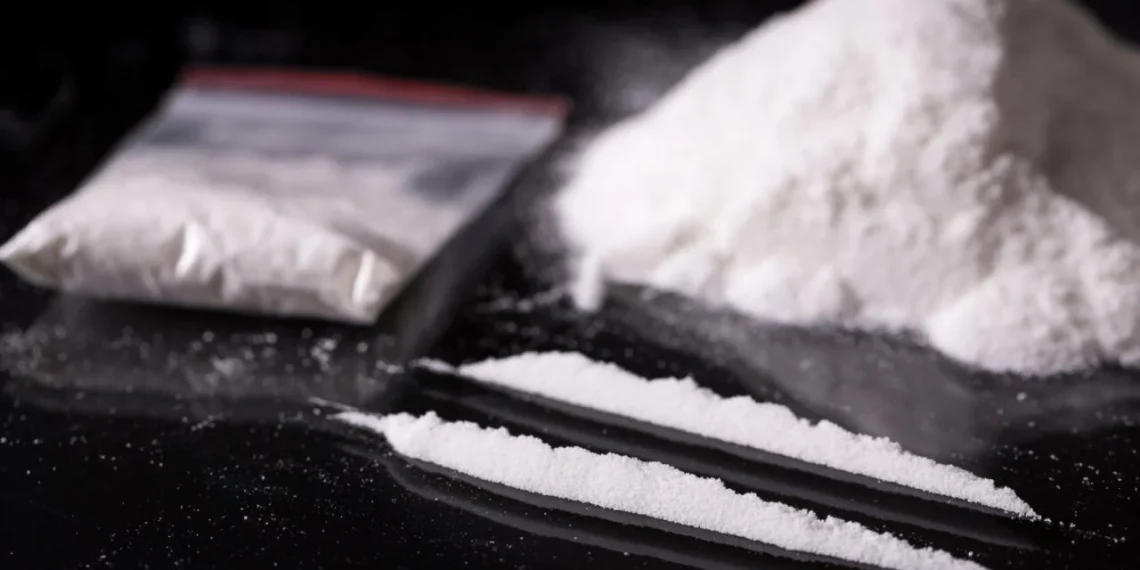
Ghana's struggle with international drug trafficking has intensified following the arrest of three suspects by the Narcotics Control Commission (NACOC) in connection with a major cocaine seizure by French customs authorities. The suspects, allegedly linked to the 'Bolle Jos' cocaine trafficking network, are currently in NACOC custody and assisting with ongoing investigations into their roles in the operation.
The arrests underscore mounting pressure on Ghana's law enforcement agencies to tackle what has become a significant national security concern. NACOC has reaffirmed its commitment to preventing the country from serving as a safe haven, transit point, or operational base for organised drug trafficking networks, whilst emphasising that all suspects' legal rights and protections will be upheld throughout investigations.
The scale of the problem
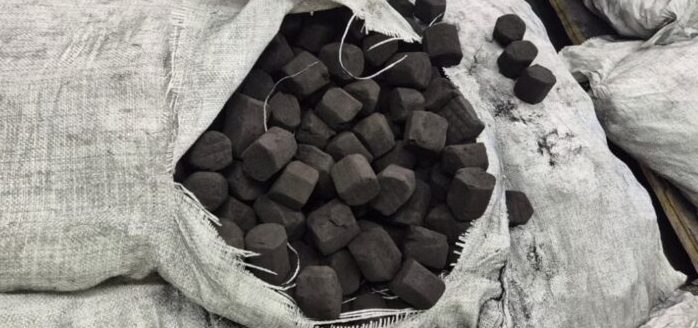
The latest arrests come as Ghana faces intensifying international scrutiny over its role in global narcotics trafficking. French authorities recently seized cocaine valued at more than $260 million that was concealed in a container of plastic waste, with links traced back to Ghana. This seizure represents just one in a series of major drug busts involving consignments connected to the country in recent months.
According to the Parliamentary Minority, drug seizures linked to Ghana under the current administration have accumulated to well over $1 billion in value within less than two years. This staggering figure has prompted alarm among lawmakers and raised serious questions about port security, drug enforcement protocols, and institutional oversight mechanisms.
Political pressure and calls for accountability
The Parliamentary Minority, through a statement issued on 13 September and signed by Rev. John Ntim Fordjour, Ranking Member on Parliament's Defence and Interior Committee, has called for a full-scale independent parliamentary inquiry into Ghana's emergence as a transit hub for narcotics. The opposition has cited multiple high-profile seizures as evidence of critical gaps in the country's drug enforcement and border security systems.
The demand for an independent inquiry reflects growing frustration with what opposition figures view as inadequate institutional responses to the drug trafficking crisis. Lawmakers are questioning whether current security and customs procedures are sufficient to intercept contraband before it leaves Ghana or transits through Ghanaian ports.
Why it matters for Ghana
Ghana's vulnerability to narcotics trafficking poses serious threats to national security, institutional integrity, and international relations. When major drug shipments linked to Ghana are seized abroad, the country's reputation as a reliable trade partner and stable nation faces damage. International partners may impose stricter scrutiny on Ghanaian exports and impose additional security measures, affecting legitimate commerce and economic growth.
Beyond economics, the drug trade fuels corruption within government institutions, law enforcement, and port authorities. Trafficking networks exploit weak enforcement gaps and corrupt officials to move contraband, which in turn destabilises communities, funds criminal enterprises, and diverts resources from addressing domestic challenges. Ghana's ability to maintain effective governance and combat organised crime depends on strengthening institutional capacity at ports, borders, and within law enforcement agencies.
The parliamentary inquiry demand reflects legitimate concerns about whether Ghana's current administration has adequately resourced and prioritised anti-narcotics efforts. Moving forward, the country will need comprehensive reforms to port security, customs procedures, inter-agency coordination, and international cooperation to reverse its trajectory as a trafficking route.
Source: Today GH


Comments (0)
Be the first to comment.