BoG pumps $8.2bn into forex market as cedi depreciates 10.61% this year

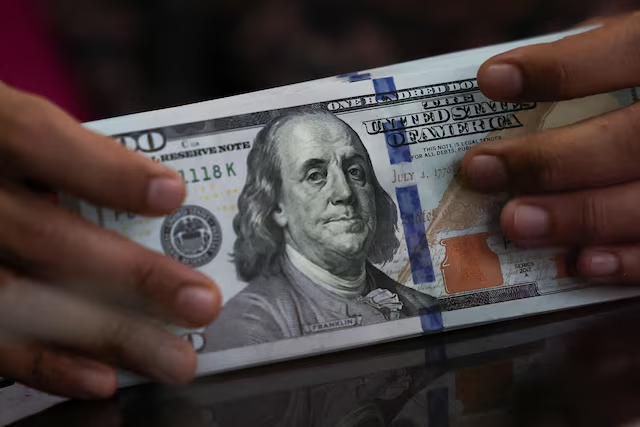
The Bank of Ghana has injected more than $8.2 billion into the foreign exchange market since the start of 2026 in a bid to shore up the cedi and ease liquidity pressures, though the currency has still lost over a tenth of its value against the dollar this year.
Between January and July, the central bank sold approximately $7.45 billion through its FX Intermediation Programme, whilst deploying an additional $811 million via its FX Intervention Programme between January and June. Officials have signalled plans to inject up to a further $1 billion in August, potentially bringing the total market support to around $9.2 billion by month's end.
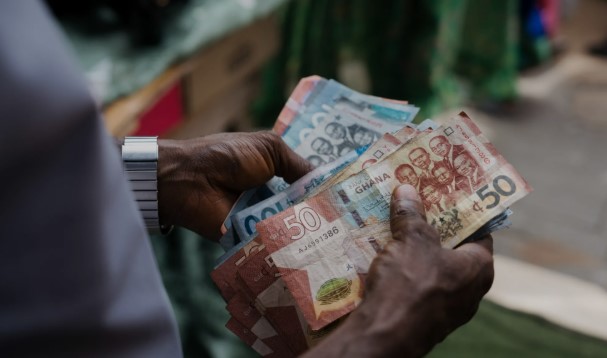
Despite these substantial interventions, the cedi has depreciated by 10.61% as of end-July, reflecting persistent demand pressures on the forex market and heightened competition for limited dollar supplies.
What's driving the currency pressure?
Market analysts point to several factors straining the cedi. Energy sector companies financing crude oil imports and petroleum product purchases have driven significant dollar demand, whilst power producers requiring foreign currency payments have added to the pressure. Commercial bank data gathered by Joy Business confirm that broad-based business demand for dollars remains robust across the economy.
Ghana's international reserves, meanwhile, have declined to just above $12 billion—a figure that has raised concerns about the central bank's firepower to sustain current intervention levels. The combination of reserve depletion and structural dollar shortages suggests the forex market imbalances may persist beyond temporary fluctuations.
Why it matters for Ghana
Currency stability is critical for Ghana's economic health. A depreciating cedi increases the cost of imported goods, putting upward pressure on inflation and squeezing household purchasing power. For businesses, forex volatility complicates planning and raises borrowing costs, particularly for those dependent on dollar-denominated inputs or loans.
The central bank's $8.2 billion intervention underscores the seriousness of the challenge. The FX Intermediation Programme is partially linked to Ghana's Domestic Gold Purchase Programme, meaning gold sales are being funnelled into forex support—a signal of how critical forex management has become to policy priorities. Some market participants have argued the cedi would have fallen far more sharply without BoG action, suggesting the pressure is structural rather than superficial.
At current reserve levels and intervention rates, however, questions linger about whether the central bank can sustain its support indefinitely. If reserves continue to erode, the Bank may face difficult choices about how aggressively to defend the cedi. Economic policymakers are likely monitoring whether improved revenue from gold sales, oil production, or remittances can help replenish reserves and reduce forex stress.
For now, the central bank has urged businesses and the public not to panic, describing recent movements as temporary market pressures. Officials have reaffirmed their commitment to supporting critical imports and maintaining market stability, but the scale of intervention required suggests underlying vulnerabilities in Ghana's external balance that go beyond short-term management.
Source: MyJoyOnline

Comments (0)
Be the first to comment.