
Bawumia Slams Government's Economic Claims: Stability Meaningless if Citizens Suffer


Vice President Dr Mahamudu Bawumia has launched a scathing critique of the government's economic policies, arguing that macroeconomic stability is hollow if ordinary Ghanaians continue to face hardship and rising living costs.
Addressing concerns over the state of the economy, Bawumia emphasised that true economic stability must deliver tangible improvements in the quality of life for citizens. He questioned the value of stability metrics when households struggle with inflation, high utility costs and general financial strain.
The Broader Economic Debate
Ghana's economy has been a central point of political contention in recent years. The government has pointed to various stabilisation measures—including International Monetary Fund (IMF) support programmes—as evidence of economic management. However, critics argue these achievements have not filtered down to ordinary citizens experiencing rising food prices, transport costs and reduced purchasing power.
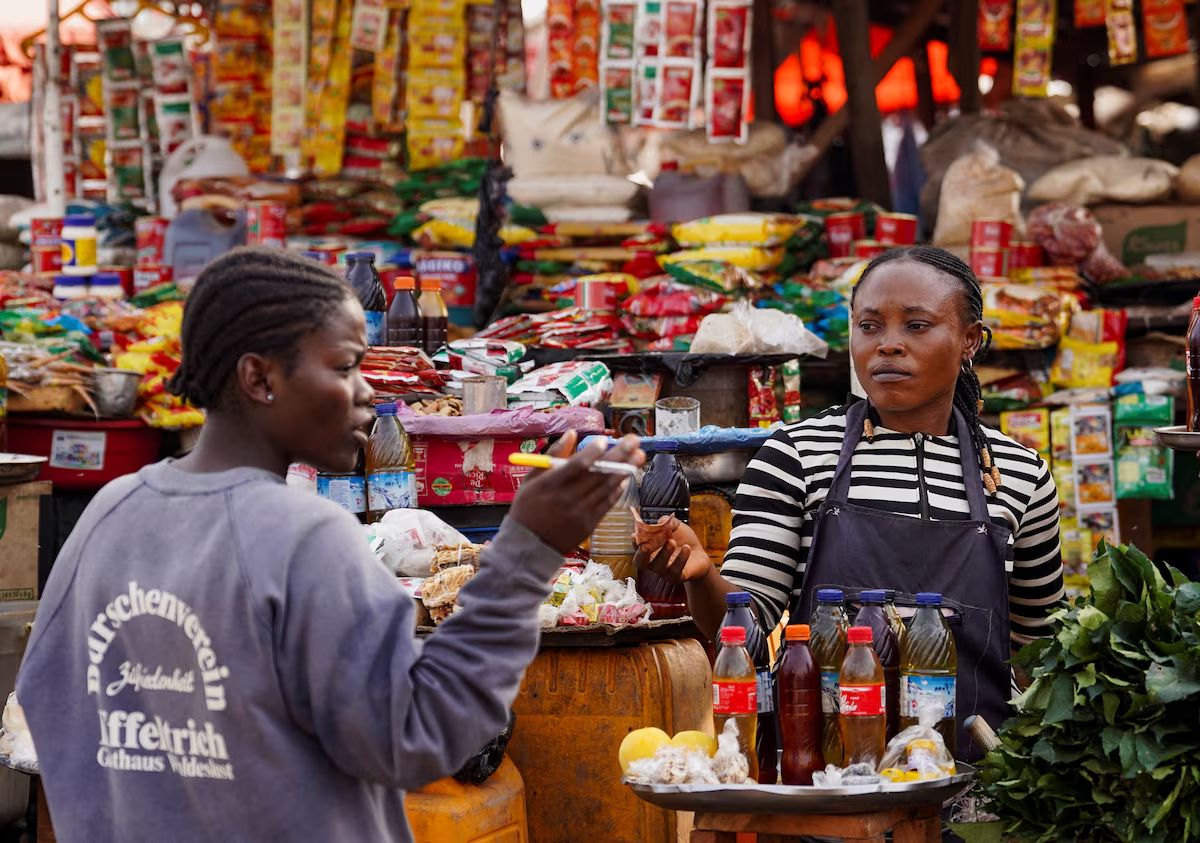
Bawumia's comments reflect a growing disconnect between official economic indicators and the lived experience of many Ghanaians. While the government highlights inflation reduction and currency stability efforts, citizens in markets, towns and cities continue to report difficulty affording basic goods and services.
Why It Matters for Ghana
This critique touches on a fundamental challenge facing Ghana's economic policy: balancing macro-level stability with micro-level welfare. The tension Bawumia highlights is deeply felt across the country.
- Cost of living crisis: Ghanaians in urban and rural areas report that daily expenses for food, transport and utilities remain prohibitively high despite official stabilisation efforts.
- Policy credibility: When government promises on economic management are perceived as unfulfilled, public trust in institutions erodes, affecting long-term policy effectiveness.
- Electoral consequences: Economic hardship is typically the primary concern for voters, making Bawumia's focus on this issue politically significant ahead of any future electoral cycle.
The Vice President's comments also underscore tensions within Ghana's political discourse. Whilst one faction may defend stabilisation achievements, critics argue these are insufficient if they don't improve household incomes, employment opportunities or affordability of essential goods.
Moving Forward
Bawumia's statement raises questions about what constitutes genuine economic success in the Ghanaian context. Policymakers face pressure to demonstrate not just technical stability—lower inflation, currency management—but also tangible improvements in employment, wages and the purchasing power of ordinary workers and traders.
For Ghana to move beyond this debate, economic strategy must explicitly address how macro-stability translates into micro-level prosperity. Without this bridge, even impressive technical achievements risk being dismissed as meaningless by citizens who continue to struggle with daily costs.
Source: 3News



Comments (0)
Be the first to comment.