Ghana's inflation eases to 4.6% in July as food prices bring relief to households
Ghana's inflation trajectory continues on a downward path, with the year-on-year rate dropping to 4.6 percent in July 2026—a significant improvement from 5.3 percent the previous month and substantially lower than the 12.1 percent recorded in July 2025. The latest Consumer Price Index data from the Ghana Statistical Service indicates sustained progress in managing inflationary pressures, though challenges remain in key service sectors.
The month-on-month inflation rate slowed dramatically to just 0.1 percent in July, suggesting that consumer prices remained almost flat during the month itself. Government Statistician Dr. Alhassan Iddrisu noted that whilst prices continue to climb, the pace of increase has moderated considerably compared to a year earlier, reflecting ongoing stabilisation in the economy.
Food prices drive the inflation decline
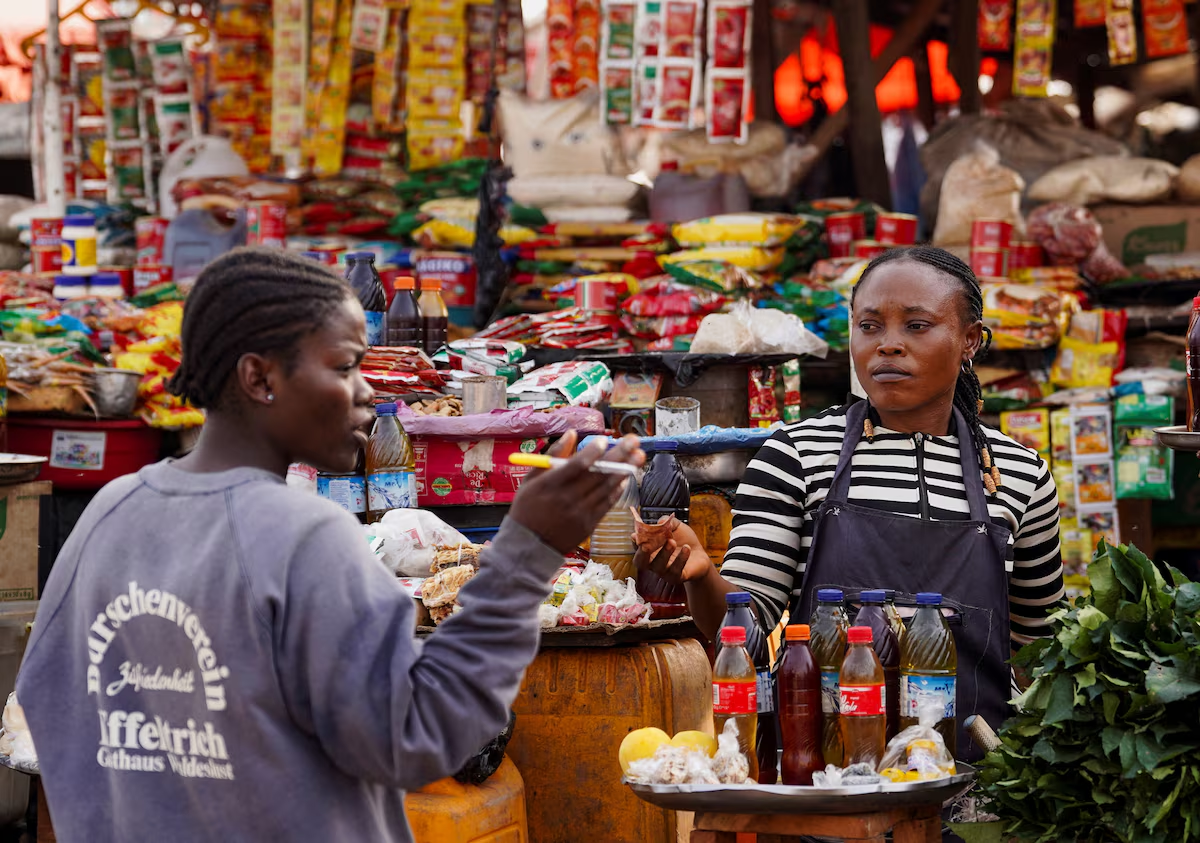
The primary driver behind Ghana's improving inflation picture is the substantial easing in food prices. Year-on-year food inflation fell to 3.1 percent in July from 3.9 percent in June, with month-on-month food inflation turning negative at -0.1 percent—meaning average food prices actually declined slightly during the month.
The decline has been particularly pronounced across staple and essential food items. Kontomire (cocoyam leaves) saw the sharpest price drop at 41.2 percent annually, followed by garden eggs (34.5%), maize (32.9%), pawpaw (26.8%), millet (26.4%), and guinea corn (22.3%). Beans, lime, local rice, and Bambara beans also recorded double-digit price reductions, collectively easing pressure on household shopping baskets across the country.
However, not all food items followed this trend. Ginger prices more than doubled with a staggering 111.3 percent annual increase, whilst mangoes jumped 89.0 percent and shrimps rose 67.1 percent. Fresh tomatoes, a dietary staple, increased 43.4 percent. These disparities underscore the uneven nature of price movements across different food categories.
Non-food items remain the persistent challenge
Despite the encouraging food price trends, non-food inflation continues to pose a more stubborn challenge for Ghanaian households. Non-food items accounted for 67.6 percent of overall inflation in July, meaning approximately 68 pesewas of every one cedi price increase stemmed from non-food goods and services. The non-food inflation rate eased only marginally to 6.1 percent from 6.3 percent, indicating slower progress in this category.
Services inflation remains particularly elevated at 8.5 percent in July, down slightly from 9.4 percent in June but still the highest among all major consumer price divisions. Transport costs, rental payments, healthcare services, and school fees continue to be the stickiest components of inflation. Rent payments alone contributed 13.0 percent to overall inflation, followed by fresh tomatoes (11.9%), ginger (11.8%), and cooked rice (8.9%). Public and private senior high school fees, bus fares, and electricity also continue to apply significant upward pressure on household budgets.
Why it matters for Ghana
The declining inflation rate represents genuine progress for millions of Ghanaian households struggling with the cost of living. The substantial year-on-year drop from 12.1 percent to 4.6 percent signals that the Central Bank's monetary policy efforts are yielding tangible results, particularly in stabilising food prices—a critical concern for a population where food typically accounts for a significant portion of household expenditure.
However, the persistence of high services inflation reveals that challenges remain. Transport, housing, and education costs—essential services that directly affect daily living standards—continue to outpace general inflation, suggesting targeted policy interventions may be needed to address these specific sectors. The fact that locally produced items account for 86.7 percent of overall inflation indicates that Ghana's inflationary pressures are fundamentally domestic rather than driven by import costs, requiring internally-focused solutions.
For ordinary Ghanaians, whilst the improving headline inflation offers some breathing room, the sticky nature of services inflation means many households will continue facing pressure on their budgets, particularly regarding transport, housing, and educational expenses. The coming months will be crucial in determining whether the downward inflation trajectory can be sustained, especially as seasonal factors may influence food prices differently as the year progresses.
Source: MyJoyOnline




Comments (0)
Be the first to comment.