
Banking Profits Mask Real Problems: FX Gains Hide Weak Operations, Warns Expert


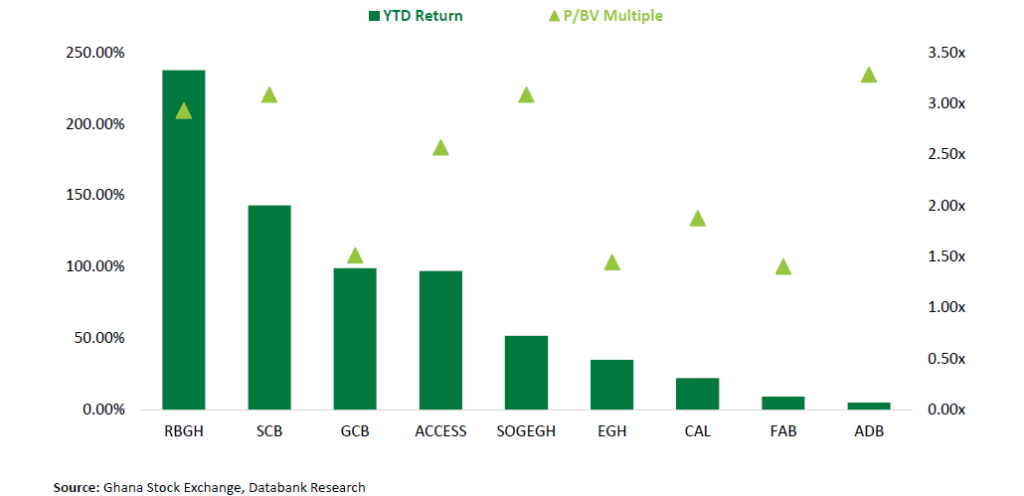
Banking and Corporate Governance Consultant Dr Richmond Atuahene has raised critical concerns about how Ghana's financial sector is interpreting recent profit growth, cautioning that much of the improvement stems from foreign exchange gains rather than genuine operational improvement.
Speaking in an interview, Dr Atuahene argued that the banking sector's celebrated profit increases may be masking deeper structural problems. He emphasised that when foreign exchange gains account for a significant portion of profits—he cited a 60% contribution—this cannot be classified as operational efficiency, and raises serious questions about the sustainability of such gains.
The FX Trap: When Profits Deceive
Dr Atuahene's key concern centres on what happens when the cedi's fortunes reverse. If the currency begins to depreciate, he warned, the weaknesses currently hidden by foreign exchange gains will become painfully apparent. "When the reality comes, you're going to have a hit," he said, emphasising that a reversal in the cedi could expose fundamental problems in banking operations.
His critique extends beyond the banking sector to Ghana's broader corporate landscape. The State Interests and Governance Authority's 2025 State Ownership Report, released in August, illustrated this phenomenon starkly. State-owned enterprises swung from a GH¢2.25 billion net loss in 2024 to a GH¢19.8 billion net profit in 2025, with revenue jumping from GH¢137.64 billion to GH¢176.43 billion. However, the report revealed that state enterprises recorded GH¢11.72 billion in net foreign exchange gains in 2025, compared with a GH¢12.01 billion foreign exchange loss in 2024—suggesting the turnaround was significantly influenced by currency movements rather than improved operations.
The Debt Overhang Question
Beyond the FX concern, Dr Atuahene highlighted an alarming issue rarely discussed in profit announcements: the staggering debt carried by state enterprises. He pointed to a total debt overhang exceeding GH¢700 billion across the economy, with state enterprises alone accounting for GH¢282 billion. This massive liability burden, he argued, poses a serious long-term risk to Ghana's economy.
The consultant also questioned whether reported profits by state entities accurately reflect the quality of services being delivered to ordinary Ghanaians. He noted the disconnect between declared profitability and actual service delivery—noting that power cuts continue, water shortages persist, and service quality remains poor, yet these entities continue to report profits and announce tariff increases.
Why It Matters for Ghana
Dr Atuahene's warnings are particularly significant in Ghana's current economic context. The government is operating under an IMF-backed Precautionary and Liquidity Support (PCI) arrangement, and one of the ten fundamental reforms required is comprehensive SOE restructuring. This underscores the IMF's own concerns about the sustainability and health of state enterprises.
For Ghanaians, the implications are substantial. If banking sector profits are indeed artificially inflated by FX gains rather than genuine efficiency improvements, the banking system remains vulnerable to currency shocks. For savers and borrowers, this translates to potential instability. For businesses relying on bank credit, vulnerability in the banking system could restrict lending and economic growth.
Similarly, the state enterprise debt burden directly affects ordinary Ghanaians through higher utility costs, reduced service quality, and constraints on government's ability to invest in health, education, and infrastructure. Taxpayers ultimately shoulder this burden.
Dr Atuahene's call for rigorous assessment of underlying operational efficiency—rather than accepting headline profit figures at face value—represents a necessary reality check for policymakers and the public alike. Without genuine operational improvements and debt reduction, Ghana's financial sector remains structurally vulnerable.
Source: The Ghana Report




Comments (0)
Be the first to comment.