
Bank of Ghana Brings Financial Literacy to Traders and Mechanics in Western North Region


The Bank of Ghana has rolled out a deliberate campaign to improve financial management practices among informal sector workers, targeting traders, market women, mechanics, drivers and other business operators in the Western North Region. A one-day educational programme held in Sefwi Wiawso and Juaboso marks a significant push by the central bank to extend financial literacy beyond formal banking circles to communities where most Ghanaians conduct daily economic activity.
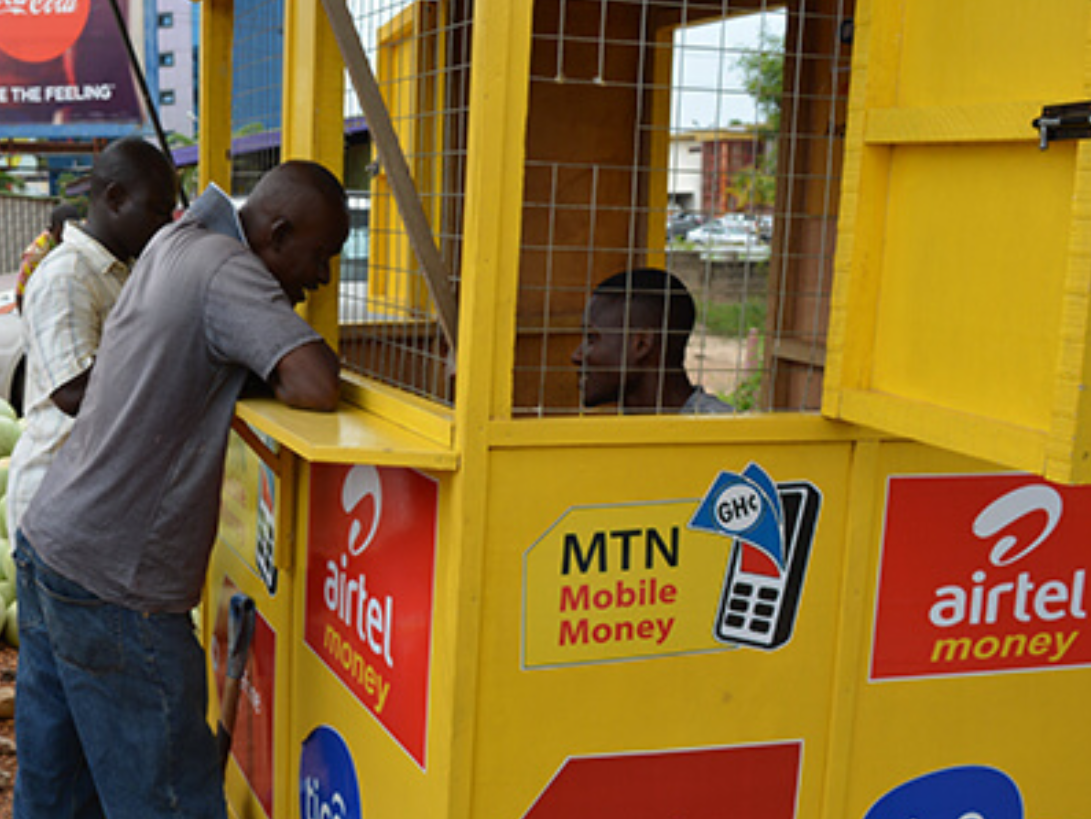
The initiative represents a critical intervention, as Ghana's informal economy—which includes street traders, artisans, transport operators and small-scale vendors—accounts for a substantial portion of economic activity. These workers often operate without formal banking relationships, keeping cash-based records or relying on informal savings groups, making them vulnerable to financial mismanagement and fraud.
Why This Matters for Ghana
Financial literacy remains a significant challenge in Ghana's informal sector. Most traders and mechanics lack formal education in basic accounting, debt management, savings strategies or investment principles. When informal businesses fail, the ripple effects extend to families and local communities. By targeting these stakeholders directly, the Bank of Ghana is attempting to strengthen the foundation of local economies and reduce financial vulnerability among millions of Ghanaians who depend on informal commerce for survival.
Improved financial management in the informal sector can also reduce the use of predatory lending schemes and informal moneylenders who charge exploitative rates. It may encourage informal workers to formalise their businesses, potentially broadening the tax base and improving national revenue collection.
What the Programme Covers
Whilst specific curriculum details from the programme were not disclosed, such initiatives typically address essential topics including:
- Basic record-keeping and bookkeeping for small businesses
- Understanding credit, interest rates and debt management
- Savings mobilisation and prudent cash handling
- Introduction to formal banking services and mobile money
- Business planning and financial forecasting
- Consumer protection and identification of financial fraud
Expanding Financial Inclusion
This campaign complements Ghana's broader financial inclusion agenda. The Central Bank has previously emphasised that expanding access to formal financial services—including savings accounts, insurance products and credit facilities—requires educating potential users on the basics of money management.
The Western North Region focus appears strategic, as rural and semi-urban areas often experience lower levels of formal financial service penetration compared to Accra and Kumasi. Building financial literacy in these communities could encourage uptake of digital financial services and formal banking, which have expanded significantly in recent years through mobile money platforms and agent banking networks.
As Ghana continues to pursue digital economy goals and financial sector modernisation, efforts like these ensure that growth does not leave informal sector workers behind. The success of such programmes will likely be measured by whether participants subsequently adopt better financial practices, formalise their businesses, or transition into formal banking relationships.
Source: 3News

Comments (0)
Be the first to comment.