
Access Bank Ghana Eyes Islamic Finance Growth After Malaysia Study Tour
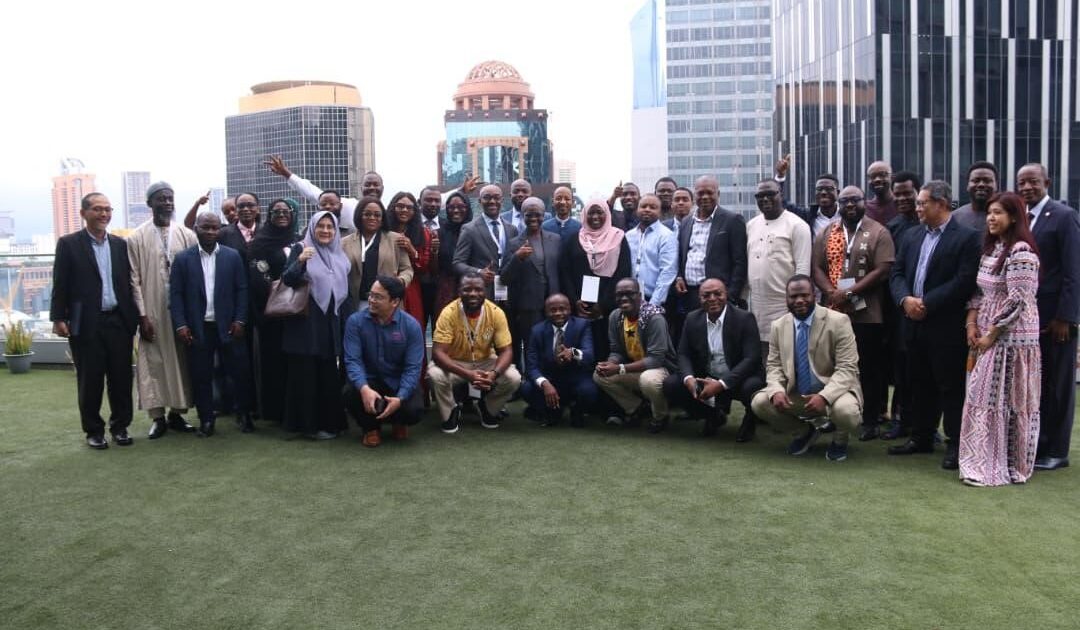

Access Bank Ghana has taken a significant step towards positioning itself as a leader in ethical and non-interest finance, following a high-level executive study tour to Kuala Lumpur, Malaysia. The five-day programme, organised by the Islamic Finance Research Institute of Ghana in partnership with Malaysia's International Islamic University, brought together banking regulators and financial sector leaders to study how Malaysia has built one of the world's most successful ethical finance ecosystems.
The initiative reflects growing momentum in Ghana's financial sector to develop Islamic finance products and services. Alongside Access Bank, the delegation included representatives from the Bank of Ghana, the Securities and Exchange Commission and the National Insurance Commission, signalling a coordinated push by Ghana's regulatory bodies and major financial institutions to prepare the groundwork for expanding ethical finance offerings.
What Access Bank Learned
Access Bank's three-person delegation—led by Tawfiq Moomen, Head of Mobile Money and Fintech Partnerships—received hands-on training in non-interest banking structures, Sukuk (Islamic bonds), Takaful insurance, and the regulatory frameworks that support these products. The study tour also examined how ethical finance can drive financial inclusion and support sustainable economic development, areas where Ghana is keen to expand its offerings.
Malaysia's relevance to Ghana lies in its proven track record. Over four decades, Malaysia has built a dual-banking system that operates conventional and Islamic banking side by side, backed by robust regulation, deep capital markets and strong governance structures. This model offers practical lessons for Ghana as it explores similar expansion.
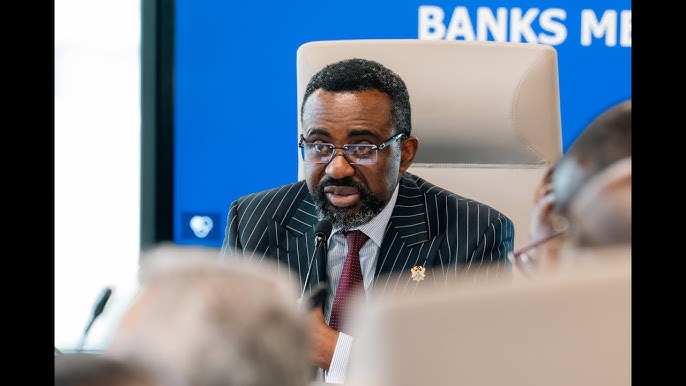
According to Mr. Moomen, the insights gained will strengthen Access Bank's ability to develop solutions that are both globally informed and suited to local needs. "Malaysia has demonstrated that ethical finance can successfully drive financial inclusion, deepen capital markets and support sustainable economic growth," he said, emphasising the bank's ambition to become Ghana's preferred partner in this space.
Why It Matters for Ghana
Ghana is at an inflection point in its financial sector development. The country is actively exploring the expansion of non-interest banking, insurance and capital market products—areas where Islamic finance plays a significant role globally. With a substantial Muslim population and growing demand for financial services aligned with religious principles, Ghana has genuine market potential in this sector.
The timing of this initiative is strategic. As Ghana strengthens its institutional capacity to regulate and develop ethical finance, having key private sector players like Access Bank build expertise and partnerships positions the country to move quickly once regulatory frameworks are in place. Malaysia's experience shows that ethical finance is not a niche offering—it can become a meaningful part of the overall financial system while expanding access to banking services for underserved populations.
For consumers and businesses, the development of ethical finance products could mean more payment options, investment vehicles and insurance solutions tailored to different preferences. For the banking sector, it represents a genuine growth avenue and competitive differentiation opportunity as traditional banking becomes increasingly crowded.
Access Bank's Strategic Positioning
Access Bank has already moved beyond study alone—the bank established a Non-Interest Banking Committee and is investing in talent development and international partnerships to build delivery capability. This suggests the bank intends to move from preparation to implementation relatively soon, likely as soon as Ghana's regulatory environment clarifies and authorises such products.
The bank's participation alongside government regulators also highlights an important dynamic: regulatory bodies and private sector leaders are learning together, which should help ensure that when ethical finance products launch in Ghana, they have both industry readiness and regulatory backing.
Source: MyJoyOnline



Comments (0)
Be the first to comment.