
Atomaase Royal Family Urges Out-of-Court Settlement in Land Dispute with Twafohene
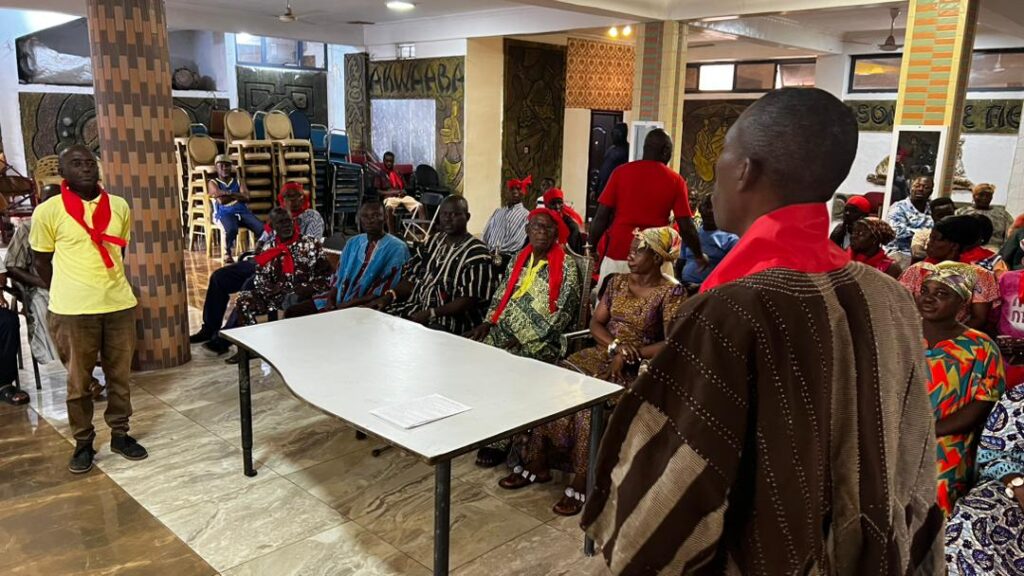
The Atomaase Royal family in Techiman has publicly appealed to Joseph Adom, a family member, to withdraw a pending court case against the Twafohene over the sale of royal lands, urging settlement through traditional family structures rather than litigation.
At a press conference held at the palace grounds on Saturday, key family leaders expressed unified support for the Twafohene, the traditional head of the Twafo Royal Gate, while emphasising that proceeds from land sales had been reinvested in royal family development and infrastructure.
Family Leadership Makes Plea for Resolution
The Abusuapanin (family head) revealed he had made multiple attempts to resolve the dispute before Joseph Adom pursued the matter in court. "I called him. I begged him. As the head of this family, I made several attempts to settle this matter locally. But Joseph Adom failed to listen to my calls," he stated, expressing disappointment that dialogue was abandoned for legal action.
The Queenmother of the Twafo Royal Gate, Nana Ama Oswusuaa Gyeduaa II, defended the Twafohene's conduct, characterising him as a unifying rather than divisive figure. She noted that funds generated from the land transactions had funded construction of a new palace befitting the entire royal household. The Obaapanin (senior female elder), Nana Abena Kyeremaa, reinforced calls for unity, stating: "We are one blood. We sit under the same ancestral roof. I am calling on the feuding factions to get this matter out of the courts immediately."
Why It Matters for Ghana
This dispute reflects broader tensions within Ghana's traditional governance systems regarding land management and chieftaincy disputes. Royal families and traditional authorities hold significant influence over land in many Ghanaian communities, and how such conflicts are resolved—whether through courts or traditional mechanisms—shapes the balance between formal legal systems and customary practices.
The Atomaase case illustrates the competing pull between modern litigation and traditional conflict resolution. Family members are publicly advocating for settlement "the way our forefathers did," reflecting deeply rooted cultural preferences for maintaining family cohesion and resolving disputes internally. However, the fact that the case has reached court suggests tensions between those who prioritise legal recourse and those who favour traditional approaches.
For Ghanaians, particularly in Ashanti communities where chieftaincy remains central to social and administrative structures, such disputes carry weight beyond the immediate parties involved. They influence perceptions of traditional authority legitimacy, land security, and the effectiveness of customary institutions in modern Ghana.
The Path Forward
The family's public stance represents significant pressure on Joseph Adom to reconsider his legal strategy. With the Queenmother, Abusuapanin, and Obaapanin all publicly opposing the court case, continuing litigation could isolate him from family support and goodwill. Conversely, the family's assertion that the Twafohene acted properly may strengthen his legal position if the case proceeds.
The matter remains pending before the court. Joseph Adom has not yet publicly responded to the family's appeal. Whether he agrees to withdraw the suit or proceeds with litigation will likely determine whether the Atomaase family can heal the internal breach and restore the unity family elders are publicly pleading for.
Source: MyJoyOnline



Comments (0)
Be the first to comment.