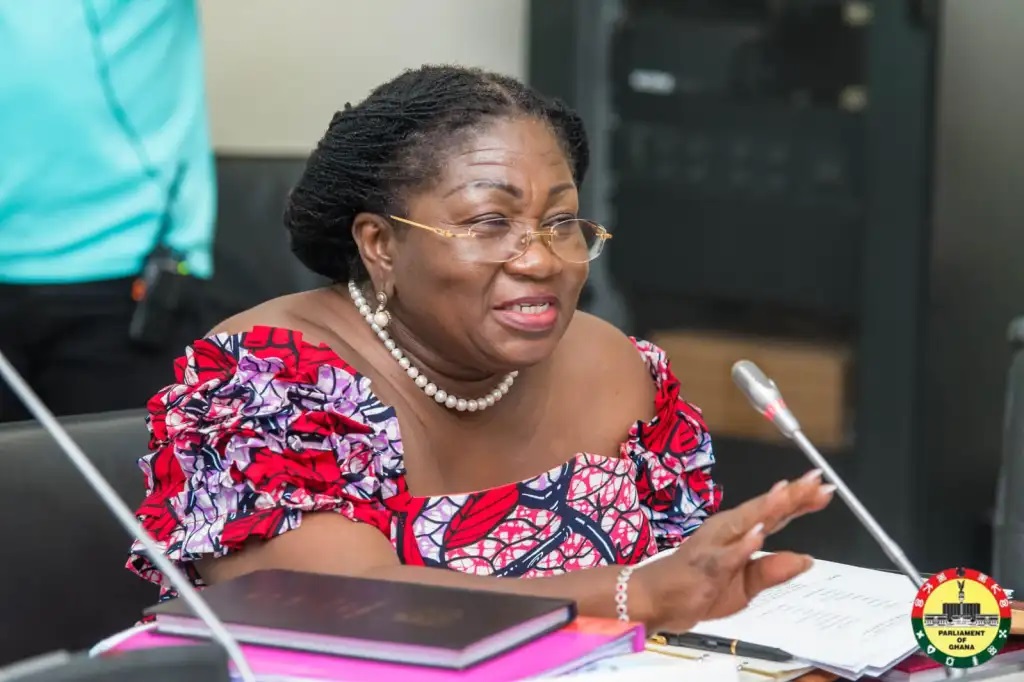
Asokwa MP Patricia Appiagyei strengthens ties with security services through on-ground engagement

Member of Parliament for Asokwa, Madam Patricia Appiagyei, has embarked on a series of institutional visits aimed at strengthening relationships between her office and security service providers operating within the constituency. The engagement strategy reflects a growing emphasis among Ghanaian legislators on direct collaboration with frontline security personnel to address grassroots challenges.
During the tours, Appiagyei met with heads of various security institutions to discuss operational difficulties, resource gaps, and potential areas where parliamentary support could enhance service delivery. This hands-on approach signals a shift towards more localised security governance, where elected representatives play an active role in bridging gaps between communities and security agencies.
Building bridges between parliament and security agencies
Appiagyei's initiative addresses a longstanding challenge in Ghana's security architecture: the disconnect between parliamentary oversight, resource allocation, and on-the-ground realities faced by security personnel. By directly engaging with institution heads rather than relying solely on formal channels, the MP gains first-hand insights into operational bottlenecks that may not surface through conventional reporting structures.
The engagement encompasses multiple security sectors within Asokwa, demonstrating a comprehensive approach rather than selective partnerships. This broad-based collaboration is intended to create a unified support framework where different security agencies can coordinate through the constituency office, potentially improving inter-agency communication and resource sharing.
Why it matters for Ghana
Ghana's security landscape has increasingly relied on community-level engagement and localised problem-solving. When MPs actively involve themselves in security matters within their constituencies, they serve as intermediaries between central government institutions and citizens. This direct engagement model can lead to faster identification of emerging security concerns, more effective resource deployment, and improved public confidence in both parliamentary and security institutions.
Furthermore, such initiatives can highlight systemic gaps that require legislative intervention. Whether challenges involve equipment shortages, training needs, or coordination difficulties, information gathered through these tours informs the MP's contributions to parliamentary committees overseeing security matters. For constituents in Asokwa, this engagement potentially translates to more responsive security services and better-informed advocacy at the national level.
The initiative also reflects broader expectations that Ghanaian MPs should move beyond ceremonial roles to become active participants in addressing constituency challenges. As security remains a top concern for voters, demonstrations of concrete engagement with security institutions strengthen representative-constituent relationships.
Moving forward
Appiagyei's approach suggests that follow-up action will be essential to sustain momentum. Identifying challenges during tours is only the first step; translating findings into legislative support, budget advocacy, or logistical assistance will determine the initiative's long-term impact. Constituents and security personnel will be watching to see whether these engagements lead to tangible improvements in service delivery and resource availability.
As Ghanaian constituencies grapple with varying security needs—from urban crime to rural challenges—localised MP engagement with security services could establish a valuable model for other constituencies seeking to improve security governance.
Source: 3News
Comments (0)
Be the first to comment.