
Amidu warns against premature conclusions on Supreme Court's OSP ruling
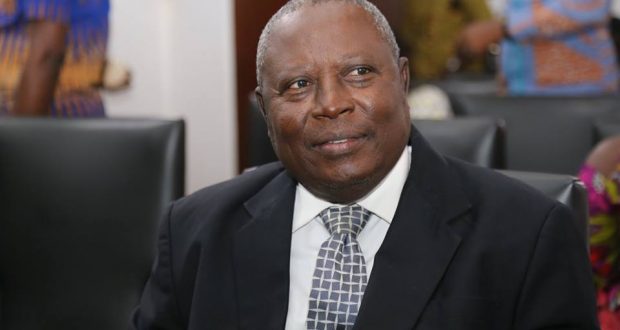

Martin Amidu, Ghana's former Attorney-General and Special Prosecutor, has issued a cautionary statement about the interpretation of the Supreme Court's July 29 decision concerning the Office of the Special Prosecutor (OSP), arguing that early media coverage lacked sufficient detail to accurately reflect the Court's ruling.
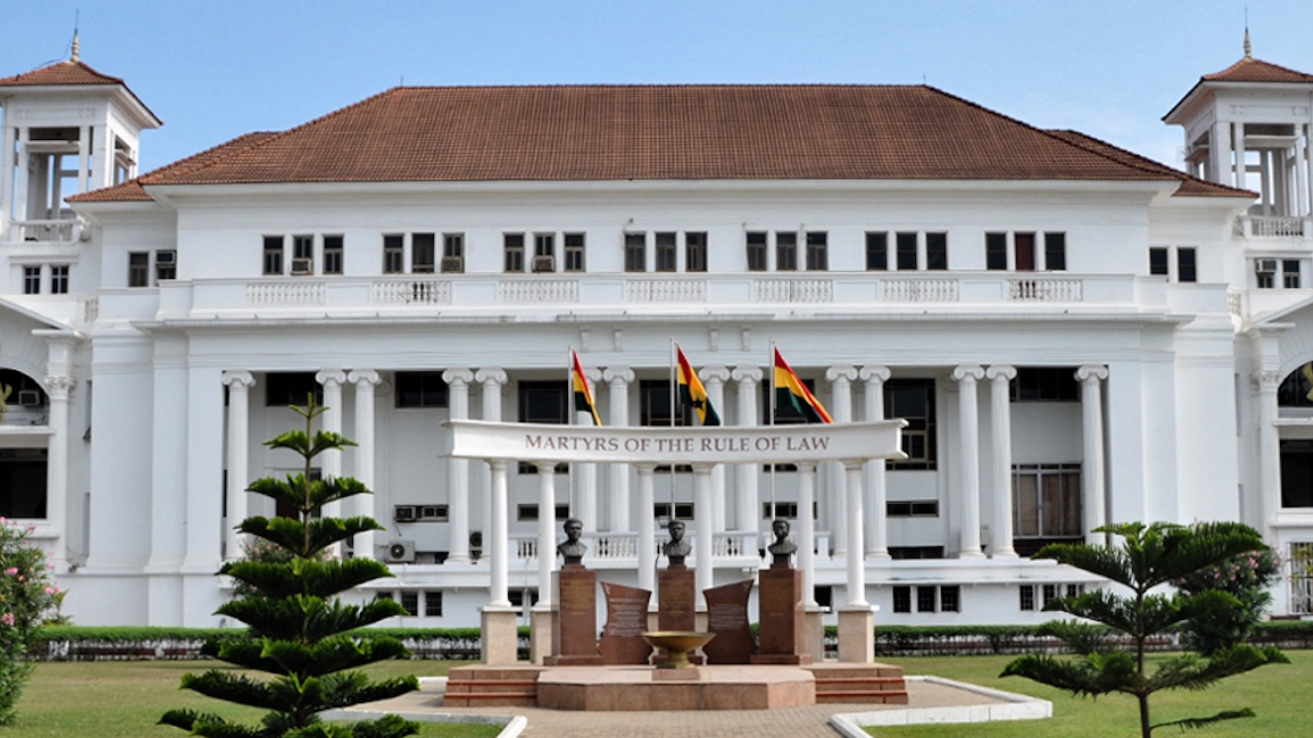
The constitutional case, Adamtey v Attorney-General, centred on a fundamental question about prosecutorial independence: whether the OSP operates as an autonomous body or falls under the direct control and direction of the Attorney-General in initiating and prosecuting corruption cases. This distinction carries significant implications for Ghana's anti-corruption framework and the separation of powers doctrine.
Amidu stressed the importance of distinguishing between preliminary media reports and the actual reasoned judgment from the courts, particularly in cases involving constitutional interpretation. He noted that initial reporting did not provide adequate detail to establish precisely what the Supreme Court had decided, emphasising the need for the public to await the certified, full judgment before drawing conclusions.
The independence question at stake
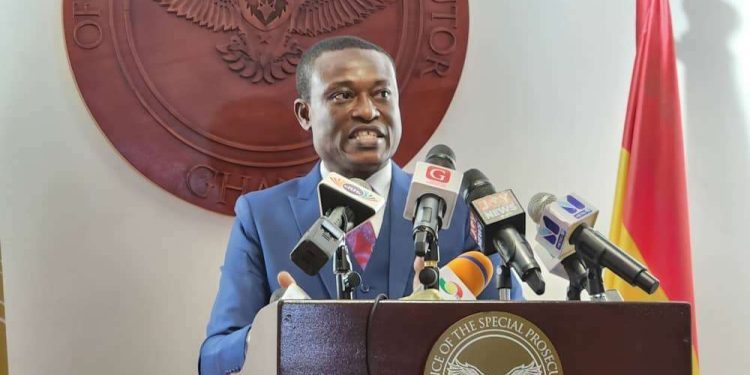
The case touched on a critical institutional debate in Ghana's governance structure. The OSP, established under the Office of the Special Prosecutor Act 2017 (Act 959), was designed as an independent prosecutorial agency to investigate and prosecute high-level corruption and related offences. However, questions have periodically arisen about the extent of the Attorney-General's authority over the office's prosecutorial decisions.
Amidu's open letter specifically addressed what he termed the "subtle impression created in the public mind" by early media reports, which suggested the Court had determined that the OSP was subject to the "unbridled control and direction" of the Attorney-General. He contended that this characterisation misrepresented the Court's actual position.
After receiving and reviewing the full judgment on August 8, Amidu concluded that the Supreme Court had upheld Act 959 in its entirety, reinforcing the statutory framework that established the OSP's operational parameters.
Why it matters for Ghana
The clarity of this ruling holds substantial importance for Ghana's anti-corruption efforts and democratic governance. An independent Special Prosecutor's office, free from improper political interference, strengthens institutional checks and balances. It allows anti-corruption investigations to proceed based on evidence and legal merit rather than executive preference, which is essential for maintaining public confidence in the justice system.
Conversely, if the Attorney-General retained excessive control over prosecutorial decisions, it could create opportunities for selective prosecution or political manipulation of corruption cases—undermining rule of law principles and deterring whistleblowers and investigators.
Amidu's intervention also reflects a broader concern about media literacy and constitutional interpretation in Ghana. As the nation continues developing its democratic institutions, the distinction between headline-driven summaries of court decisions and the nuanced reasoning contained in official judgments becomes increasingly critical to informed public discourse.
A lesson on constitutional reporting
The former Special Prosecutor's statement serves as a reminder that major constitutional decisions require patient, careful examination rather than immediate commentary based on preliminary reports. Media outlets, civil society organisations, and the public benefit from waiting for complete information before forming conclusions that may influence political debate or public perception.
This principle becomes especially important when cases involve institutional relationships, separations of power, and frameworks governing transparency and accountability—domains where misinterpretation can have far-reaching consequences for governance and public trust.
Source: The Ghana Report



Comments (0)
Be the first to comment.