Supreme Court Ruling Establishes Attorney-General's Control Over Special Prosecutor Cases
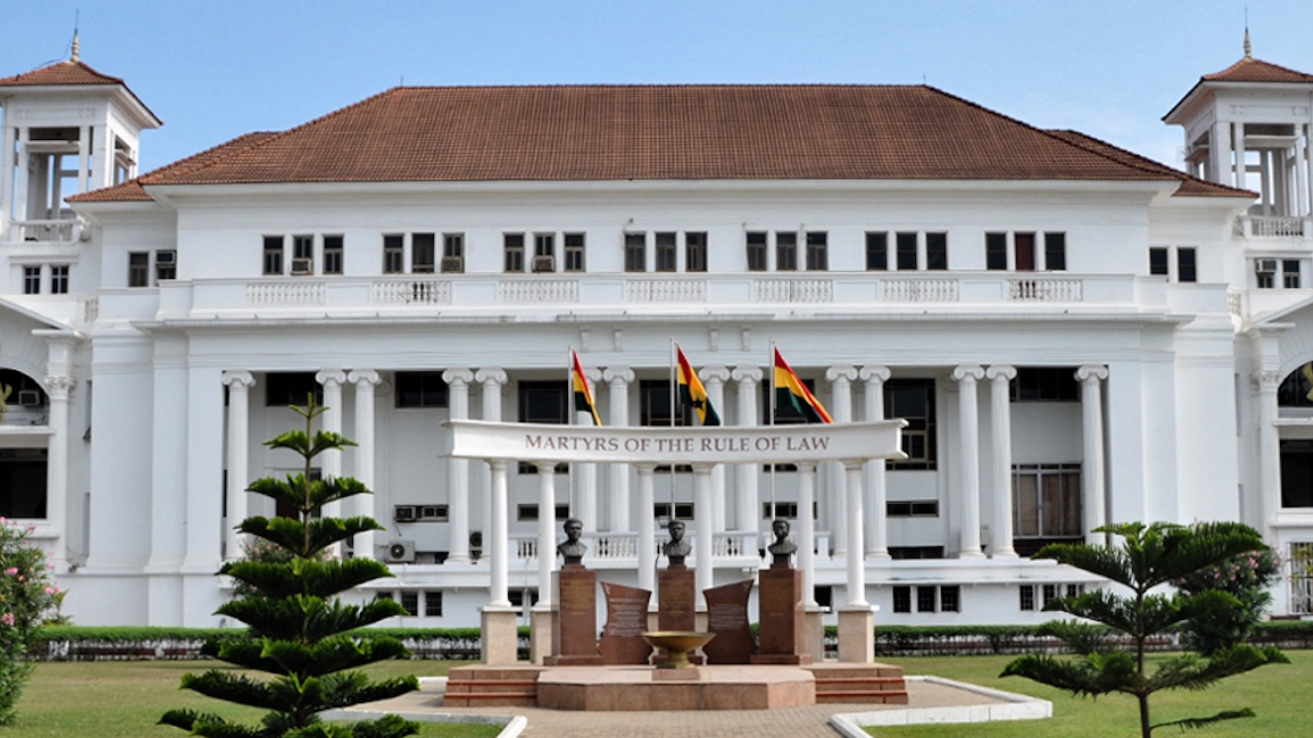
Ghana's Supreme Court has delivered a landmark ruling that clarifies the constitutional relationship between the Attorney-General and the Office of the Special Prosecutor (OSP), establishing that prosecutorial authority ultimately rests with the Attorney-General regardless of which agency initiates a case. The decision, welcomed by legal experts as a significant safeguard against potential abuse of power, has sparked important discussions about the balance between anti-corruption enforcement and constitutional oversight in Ghana's justice system.
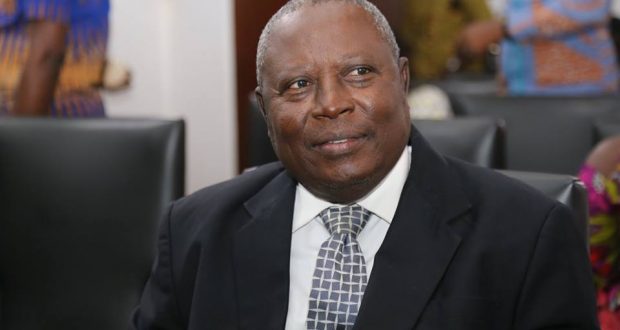
Private legal practitioner Martin Kpebu has praised the judgment as timely and necessary, noting that it provides much-needed clarity on how Ghana's prosecutorial hierarchy functions. According to the ruling, whilst the OSP possesses prosecutorial powers under the Office of the Special Prosecutor Act, these powers are ultimately exercised on behalf of the Attorney-General, who retains supreme authority over all criminal prosecutions in the country.
The Constitutional Framework
The Supreme Court's decision stems from a constitutional challenge brought by private legal practitioner Noah Adamtey, who argued that Parliament lacked the authority to grant independent prosecutorial powers to the OSP. Adamtey contended that Article 88 of the 1992 Constitution vests exclusive prosecutorial authority in the Attorney-General, making any transfer of such powers to another body unconstitutional.
In its ruling, the apex court upheld the constitutionality of the Office of the Special Prosecutor Act 2017 (Act 959), confirming that the OSP can indeed conduct prosecutions. However, the court made clear that this authority exists within a constitutional framework where the Attorney-General maintains ultimate oversight and control. The judgment explicitly affirms that the Attorney-General's constitutional power to discontinue prosecutions at any stage remains fully intact, even in cases initiated by the Special Prosecutor.
According to Kpebu, this layered approach reflects Ghana's constitutional design, which centralises prosecutorial authority in the Attorney-General whilst allowing for the creation of specialised prosecution units like the OSP to handle specific areas such as corruption and financial crimes.
Implications for Anti-Corruption Enforcement
The ruling establishes an important mechanism for accountability and oversight within Ghana's anti-corruption framework. Kpebu explained that individuals who believe they have been unfairly targeted by the OSP can now petition the Attorney-General for a review of their case. The Attorney-General has the power to call for case files, examine the merits of prosecutions, and discontinue proceedings where warranted.
This constitutional check is intended to prevent potential overreach by the Special Prosecutor's office, whilst preserving the independence and effectiveness of anti-corruption investigations. The balance recognises that specialised agencies like the OSP require sufficient autonomy to pursue corruption cases aggressively, yet remain subject to ultimate constitutional oversight to prevent abuse.
Why It Matters for Ghana
Ghana's fight against corruption has long been complicated by questions about prosecutorial independence and potential political interference in the justice system. The Supreme Court's clarification comes at a time when public confidence in institutions remains fragile, and concerns about selective prosecution have periodically dominated national discourse.
The ruling provides a framework that attempts to satisfy competing constitutional principles: it preserves the OSP's capacity to prosecute serious corruption cases without political interference on a day-to-day basis, whilst ensuring that the Attorney-General—an elected government official—retains ultimate responsibility for prosecution policy. This creates an additional layer of democratic accountability, as the Attorney-General answers to Parliament and ultimately the people.
For ordinary Ghanaians, the decision signals that there are now explicit constitutional mechanisms for challenging potentially unjust prosecutions. For anti-corruption efforts, it confirms that the OSP can continue its work, but within a framework of constitutional limits. The ruling thus seeks to balance Ghana's need for effective anti-corruption enforcement with the constitutional principles of rule of law and accountability that underpin democratic governance.
Source: MyJoyOnline

Comments (0)
Be the first to comment.