AKSA $1 Million Bribery Case: OSP Shifts Focus to Suspects as High-Profile Persons of Interest Named

Ghana's Office of the Special Prosecutor (OSP) has clarified its investigative priorities in the ongoing AKSA $1 million bribery scandal, signalling a strategic pivot toward identifying and pursuing formal suspects rather than merely documenting persons of interest in the high-profile case.
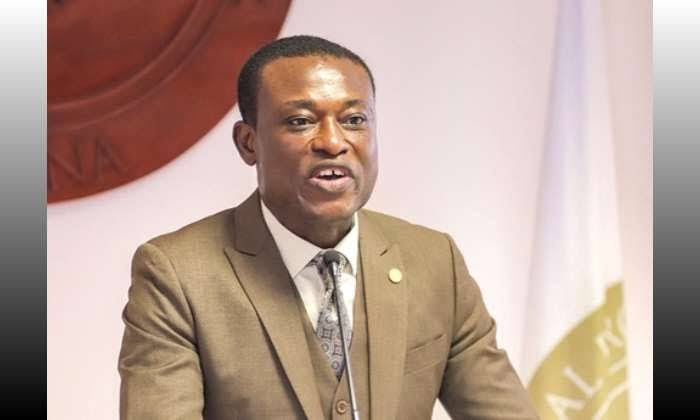
Special Prosecutor Kissi Agyebeng has publicly named several Ghanaians as persons of interest in connection with the AKSA transaction, marking a significant escalation in the corruption inquiry that has captured national attention.
Understanding the AKSA Scandal
The AKSA matter centres on allegations of bribery and improper conduct involving a substantial financial transaction. The case has raised serious questions about governance, accountability and the integrity of public institutions. The involvement of multiple high-profile figures has intensified public scrutiny and calls for thorough investigation.
The OSP's decision to formally name persons of interest represents a deliberate investigative step—distinguishing between individuals under preliminary examination and those against whom prosecutors may eventually bring formal charges. This distinction is crucial in Ghana's legal framework, as persons of interest status does not constitute an accusation but rather indicates individuals whose involvement warrants closer examination.
The Investigation's Next Steps
By prioritising the identification of actual suspects, the OSP signals its commitment to moving beyond preliminary inquiries toward concrete prosecutorial action. Sources close to the investigation suggest that the office is working to establish clear lines of culpability and evidence sufficient to support potential criminal charges.
The case has broader implications for Ghana's anti-corruption efforts. The OSP, established as an independent institution to prosecute economic and financial crimes, faces mounting pressure to demonstrate that no individual—regardless of political or social standing—remains beyond the reach of justice.
Why It Matters for Ghana
This corruption investigation strikes at the heart of public trust in governance. Ghana has long grappled with perceptions of impunity among political and business elites, with many citizens expressing frustration that high-level wrongdoing often goes unpunished whilst ordinary Ghanaians face swift legal consequences.
The AKSA scandal provides a test case for whether the OSP can deliver meaningful accountability. Success in prosecuting those responsible—if evidence warrants—would signal that Ghana's anti-corruption machinery can function effectively. Conversely, any perception of selective justice or protection of powerful individuals would further erode confidence in the system.
Additionally, the case occurs against a backdrop of broader economic concerns facing Ghana, including fiscal pressures and public sector efficiency. Allegations of bribery and financial impropriety compound citizen anxiety about how limited national resources are managed and deployed.
The OSP's approach—moving from naming persons of interest to pursuing formal suspects—reflects a maturing investigative process. However, Ghanaians will be watching closely to ensure that the investigation remains independent, thorough and free from political interference or undue influence.
As the case progresses, the distinction between persons of interest and suspects will likely become sharper, with evidence gathering and legal assessment determining who faces formal charges. The ultimate credibility of Ghana's anti-corruption fight may well depend on how decisively this high-profile matter is resolved.
Source: 3News



Comments (0)
Be the first to comment.