Dr Kwabena Donkor categorically denies involvement in Asante Berko bribery scandal
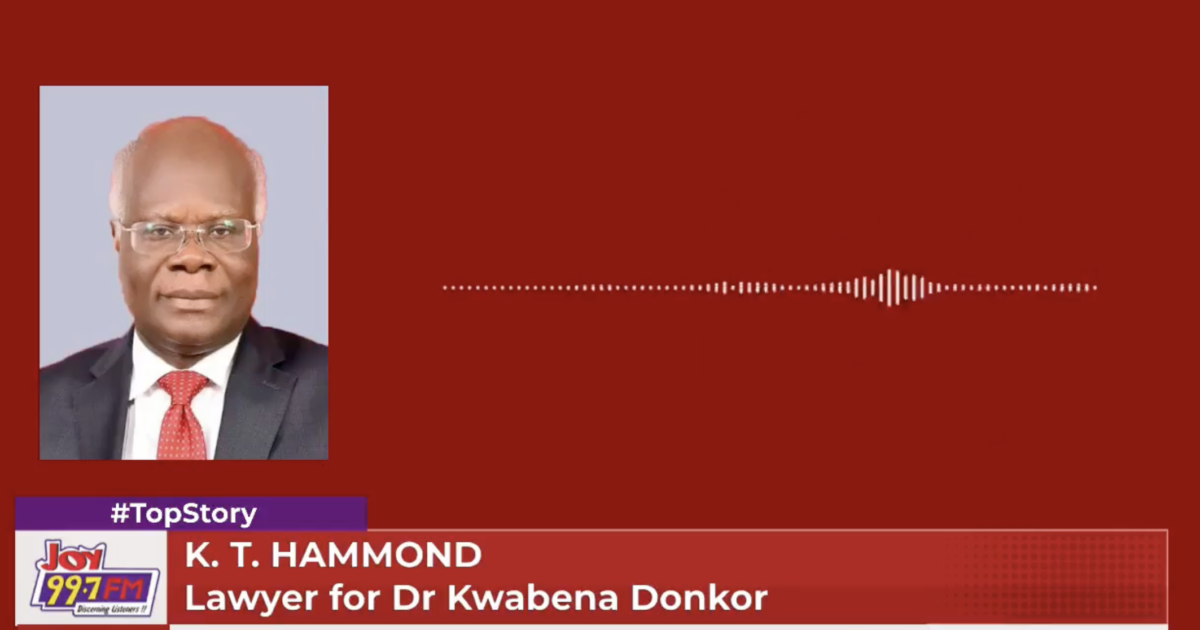
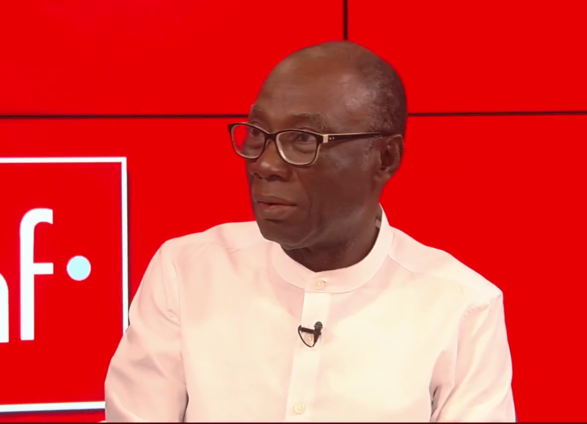
Former Power Minister Dr Kwabena Donkor has issued categorical denials through his lawyer K.T. Hammond, stating he never met convicted ex-Goldman Sachs banker Asante Berko, nor did he demand or receive any money in connection with the controversial Aksa Energy power plant deal that led to Berko's conviction in the United States.
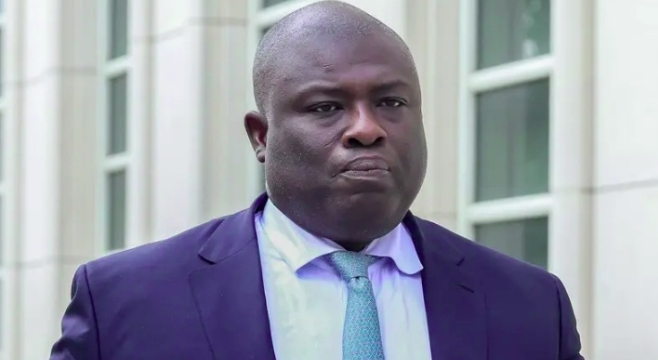
Berko was found guilty on August 6, 2026, by a US federal jury of conspiracy to violate the Foreign Corrupt Practices Act, violating the Act itself, and conspiracy to commit money laundering. According to US prosecutors, Berko paid more than US$1 million in bribes between 2014 and 2015 to multiple Ghanaian officials involved in the development and financing of the power project.
Speaking to JoyNews, Mr Hammond emphasised the clarity of his client's position. "He didn't meet this man. He never negotiated with him. He never made any demands," the lawyer stated, describing the denials as categorical and unambiguous. When pressed on potential nuances in the denial, Mr Hammond was resolute, insisting the statement left no room for alternative interpretations.
The Background and Context
Dr Donkor served as Power Minister during the period under investigation and resigned from office on December 31, 2015. Ghana was experiencing severe electricity shortages at the time, making major infrastructure projects like the Aksa Energy deal a priority for national development.
The power deal involved the acquisition of approximately 370 megawatts of generating equipment, which required extensive due diligence before implementation. Mr Hammond defended the technical inspection of power-generation equipment that took place in Istanbul, Turkey, characterising such verification as a standard and necessary procedure for a major infrastructure project of this scale.
"The procedure would always be to get the technical people to go on site and inspect and be sure about the sanctity and integrity of the equipment you are receiving," Mr Hammond explained. He noted that the delegation included representatives from various stakeholders in Ghana's electricity sector, including the Volta River Authority, underscoring the legitimacy of the process.
Why It Matters for Ghana
The Aksa Energy case represents a significant test of Ghana's commitment to combating corruption in high-level infrastructure deals. The involvement of multiple Ghanaian officials in the alleged bribery scheme has raised serious questions about governance in the energy sector, an area critical to national development and economic growth.
Ghana's authorities are taking the matter seriously. The Office of the Special Prosecutor (OSP) has provided investigative and evidentiary assistance to the US Federal Bureau of Investigation under the country's mutual legal assistance framework. The Economic and Organised Crime Office (EOCO) has intensified its own investigation into the Ghanaian dimension of the case, focusing on asset tracing and recovery. The Attorney-General has directed EOCO to escalate investigations as relevant information and official records are obtained from US authorities.
Dr Donkor has not been charged with any offence in connection with the case. When asked whether he had been contacted by Ghana's Office of the Special Prosecutor or US authorities, Mr Hammond said he was unsure.
Outstanding Questions
Mr Hammond argued that Dr Donkor could not be held responsible if individuals independently used his name to make improper demands without his knowledge or consent. "If anybody goes on the frolic of their own and makes some scandalous and criminal demands on his behalf, he did not provide that," he stated. "Those individuals would have done it for their own benefit, and he cannot be held responsible for that."
The case continues to unfold as Ghanaian authorities examine evidence from the US proceedings and assess whether any individuals in Ghana may have breached local laws. The outcome will be closely watched by those concerned with transparency and accountability in Ghana's public sector.
Source: MyJoyOnline
Comments (0)
Be the first to comment.