
African vaccine revolution: How South Africa's $15m expansion could reshape health security across the continent
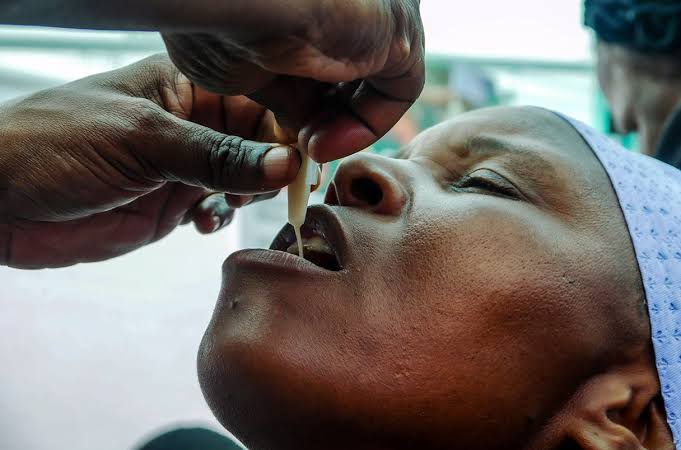

Africa is taking a decisive step towards ending its dependence on imported vaccines, with the African Development Bank committing $15 million to expand South Africa's Biovac into a continental manufacturing powerhouse. The financing agreement marks a watershed moment in the continent's journey towards health sovereignty, as Africa currently imports more than 99 percent of its vaccines despite carrying a disproportionate burden of vaccine-preventable diseases.
Biovac, a Cape Town-based biopharmaceutical company, will use the funding to build a new multi-vaccine manufacturing facility that will eventually produce 500 million doses annually. Once operational by 2028, the facility will make Africa's first end-to-end oral cholera vaccine and introduce the continent's first locally manufactured inactivated polio vaccine through technology partnerships with global manufacturers including Sanofi and Biological E Limited.
Closing Africa's vaccine gap
The stark reality underpinning this investment is sobering: Africa produces virtually none of the vaccines its population needs, forcing countries to rely on international suppliers and creating vulnerabilities exposed starkly during the COVID-19 pandemic. The African Union has set an ambitious target to produce 60 percent of the continent's vaccines domestically by 2040, and this Biovac expansion is a critical building block towards that goal.
The new facility will initially focus on cholera and polio vaccines, before expanding to pneumococcal and meningitis vaccines—diseases that disproportionately affect African children. Beyond production, the project promises significant economic benefits, creating approximately 340 permanent jobs, with 43 percent reserved for women and 30 percent for young people, whilst expanding training partnerships with local universities in vaccine manufacturing, quality control and regulatory science.
Why this matters for Ghana and West Africa
For Ghana and the broader West African region, this development carries immediate implications. Currently, Ghana—like every African nation—sources the vast majority of its vaccines from international suppliers, a costly and logistically complicated arrangement that can delay access to critical immunisations. A functioning, WHO-prequalified vaccine manufacturer in South Africa could eventually supply ECOWAS member states more efficiently and affordably, reducing procurement costs and improving vaccine security across the region.
The project also connects to existing continental financing mechanisms. Biovac will tap into Gavi's African Vaccine Manufacturing Accelerator (AVMA), a $1.2 billion programme that rewards African manufacturers with milestone payments upon achieving WHO prequalification and provides per-dose incentives for vaccines supplied through UNICEF tenders—the same channels Ghana's health system uses to procure vaccines. This means Ghanaian children could eventually benefit directly from vaccines produced in South Africa at more competitive prices.
Beyond economics, the Biovac expansion represents a philosophical shift in how Africa approaches its health challenges. Rather than waiting for external suppliers to decide what vaccines are available and at what cost, African nations are building the industrial capacity to manufacture their own solutions. For Ghana, which has invested heavily in strengthening its health systems, this continental manufacturing ecosystem offers the prospect of greater autonomy and resilience in vaccination programmes.
A syndicated push for African pharma
The financing package demonstrates strong international confidence in African vaccine manufacturing. The African Development Bank joins the International Finance Corporation (IFC), the European Investment Bank, and the Gates Foundation in backing the project, signalling that development finance institutions increasingly see African vaccine production as both a developmental imperative and a sound investment.
Biovac itself is no untested venture; the company has been South Africa's primary vaccine supplier for over two decades and has delivered more than 450 million doses across Southern Africa. This track record provides reassurance that the expansion will be executed by an experienced operator with deep roots in the African health sector.
As Solomon Quaynor, the African Development Bank's Vice President for Private Sector, Infrastructure and Industrialisation, framed it, this investment is fundamentally about transforming Africa from a consumer of imported vaccines into a producer of critical health solutions. For Ghana and the continent, the message is clear: African health sovereignty is no longer aspirational—it is being built right now.
Source: Ameyaw Debrah


Comments (0)
Be the first to comment.