
DJ Maphorisa Charts Afro Tech's Rise as Amapiano Evolves: What Ghana's Music Scene Should Know
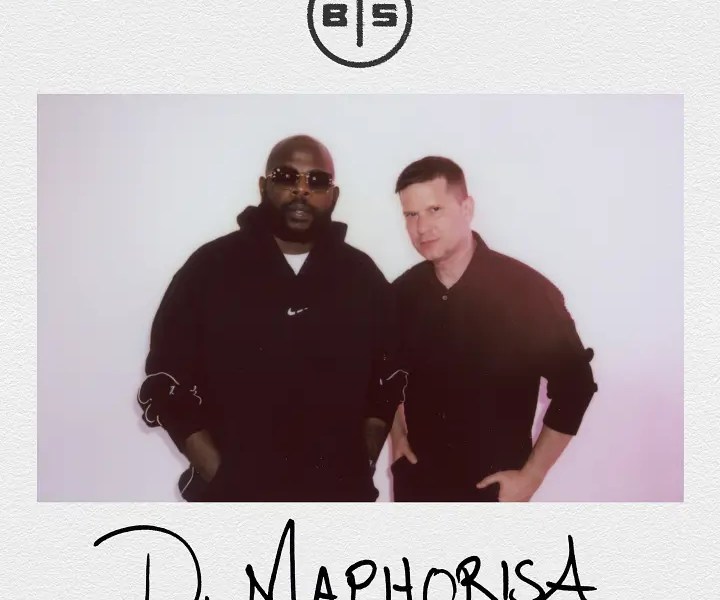

South African dance music heavyweight DJ Maphorisa has laid bare the shifting landscape of African electronic music, signalling a strategic pivot towards Afro Tech whilst maintaining his roots in Amapiano. In a candid conversation on Apple Music's Beats in Space, the acclaimed producer outlined how the continent's dance scene is maturing beyond single-genre constraints—a shift with direct relevance for Ghanaian musicians navigating an increasingly globalised market.
Maphorisa's statement that "Amapiano came with a new wave where it inspired almost all the DJs" underscores how South African sounds have dominated the continental conversation for the past five years. Yet his move towards Afro Tech, a fusion blending African rhythmic sensibilities with techno's industrial edge, suggests the next chapter may be more pluralistic. He has worked with West African giants including Wizkid and Davido on this sound, indicating that Afro Tech is not merely a South African phenomenon but a continental conversation.
Why it matters for Ghana
Ghana's music industry—anchored by Amapiano enthusiasts, Afrobeats producers, and emerging electronic artists—faces a critical juncture. Maphorisa's insight into Amapiano's structural limitation for European markets (the genre typically sits at 113 BPM whilst European clubs demand 120+ BPM) reveals why Nigerian artists have had greater international traction: they instinctively accelerated the tempo. Ghanaian producers looking to export dance music globally should take note: rigid adherence to a single genre's signature sound may limit reach.
Equally important is Maphorisa's emphasis on experimentation as a creative necessity. He explicitly stated his preference for "the uncomfortable feeling" over established comfort zones—a philosophy that challenges the current Ghanaian trend of artists gravitating towards proven commercial formulas. The success of the Scorpion Kings (Maphorisa and Kabza De Small) in drawing 50,000 to Loftus Stadium and now targeting 95,000 at FNB Stadium demonstrates that audiences respond to artists who evolve rather than repeat themselves.
Methodology over Formula: The Studio-to-Dancefloor Pipeline
Maphorisa revealed a production philosophy that Ghanaian musicians would be wise to adopt: testing unreleased material in live club settings before finalising release decisions. His example of "Money Constant" with Wizkid—a track completed years before release, held until social media virality and TikTok dance challenges created demand—illustrates how the traditional album cycle has been eclipsed by real-time audience feedback and digital momentum.
This approach contradicts the standard Ghanaian industry practice of studio-to-streaming release. DJs remain powerful gatekeepers; their venue testing provides credible, organic validation that algorithmic metrics cannot replicate. Ghanaian producers collaborating with regional DJs could unlock similar pathways to continental prominence.
The Wider Continental Context
Maphorisa's articulation of a post-Amapiano dance music ecosystem—where artists fluidly move between Amapiano, 3-step, Deep House, Gqom, and emerging Afro Tech fusions—signals that the era of genre dominance is closing. This is particularly relevant for West Africa, where Amapiano adoption has been enthusiastic but inconsistent. Ghana's own Drill movement, UK Garage influences, and Highlife revivals suggest the country's producers are already comfortable with genre hybridity. Maphorisa's South African model merely formalises what Ghanaian artists are already doing instinctively.
The producer credited fellow South African Dlala Thukzin with catalysing the Afro Tech-Gqom fusion, highlighting how individual artists shape continental sound evolution. For Ghana, this underscores that international visibility requires not just talent but active positioning within broader African producer networks and conversation.
Maphorisa's ambitions to take the Scorpion Kings to Madison Square Garden and the O2 Arena reflect confidence that African dance music can fill stadiums and concert halls traditionally reserved for Western acts. Whether Ghanaian artists can replicate this requires understanding that evolution, collaboration across borders, and willingness to challenge one's own formula are now minimum requirements for continental success.
Source: Ameyaw Debrah





Comments (0)
Be the first to comment.