
Africa's Health Crisis: Trained Doctors Jobless While Patients Suffer, AU Warns
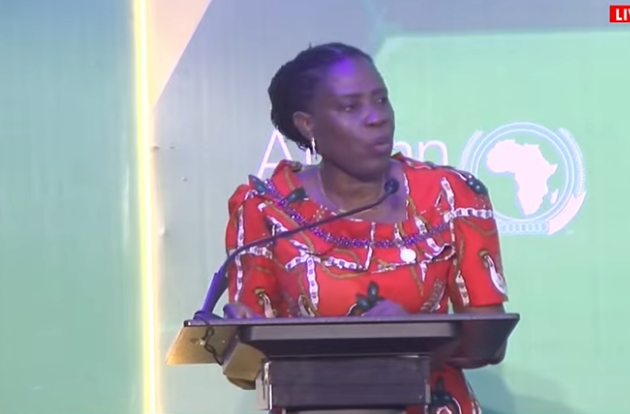

A critical contradiction is undermining Africa's health systems: the continent trains health professionals only to leave them unemployed whilst grappling with severe shortages of medical staff. Ambassador Amma Twum-Amoah, the African Union's Commissioner for Health, Humanitarian Affairs and Social Development, raised the alarm at the African Union Extraordinary Health Summit in Accra on Tuesday, July 21, urging governments across the continent to fundamentally rethink their approach to workforce development.
The paradox Twum-Amoah described is stark. African nations invest public resources in medical training programmes—nursing schools, physician residencies, midwifery courses—yet fail to create sustainable employment pathways for graduates. Meanwhile, healthcare facilities struggle with crippling staff shortages that directly undermine patient care and health outcomes.
A Continent Wasting Investment
The AU Commissioner was direct about the cost of this contradiction. Training health workers without ensuring they have jobs is not simply poor policy; it represents a squandering of scarce public funds. Governments that have stretched budgets to run medical colleges and training institutes see their investment evaporate when graduates cannot find work in their home countries and are forced to seek opportunities elsewhere.
Twum-Amoah called for decisive action beyond rhetoric. Governments must commit to recruiting, training, fairly remunerating, protecting and retaining the full spectrum of health professionals—from doctors and nurses to midwives, pharmacists, laboratory personnel, epidemiologists and community health workers. Each category plays a vital role in functioning health systems, yet all face similar employment challenges.
The commissioner highlighted several interconnected problems driving this crisis. Poor working conditions in healthcare facilities discourage graduates from accepting available posts. Limited career advancement opportunities mean even employed health workers see no future in staying. Insufficient remuneration makes medical careers unattractive compared to opportunities abroad. These factors combine to create sustained brain drain, with skilled professionals emigrating to higher-income countries where they find better pay, safer working environments and clearer career trajectories.
Why It Matters for Ghana
Ghana faces this challenge acutely. The country has invested substantially in health professional training through nursing training colleges, medical schools and allied health programmes. Yet employment in the public health system remains constrained by budget limitations, forcing graduates to seek work in private facilities or abroad. Many Ghanaian nurses and doctors work throughout Europe, North America and the Middle East, remitting earnings home but unavailable to serve their home communities.
This brain drain exacerbates healthcare challenges in Ghana's regions and rural areas, where shortages are most acute. When training capacity cannot translate into local employment, the investment benefits countries that recruit African graduates rather than African populations. Ghana's commitment to Universal Health Coverage and health system strengthening cannot succeed without addressing this fundamental disconnect between training and employment.
Path Forward
Twum-Amoah's statement signals that the AU recognises this as a continental priority requiring coordinated response. Individual countries cannot solve migration pressures alone, but they can improve the fundamentals: competitive salaries aligned with cost of living, safer working conditions, professional development opportunities, and career progression that rewards experience.
The Accra summit provides an opportunity for Ghana and neighbouring countries to commit to concrete workforce investment plans. Without such commitment, training more health professionals will simply mean exporting more talent while healthcare shortages worsen at home.
Source: MyJoyOnline





Comments (0)
Be the first to comment.