
Ridge Hospital's oxygen plant expansion offers fresh lifeline for Ghana's healthcare system
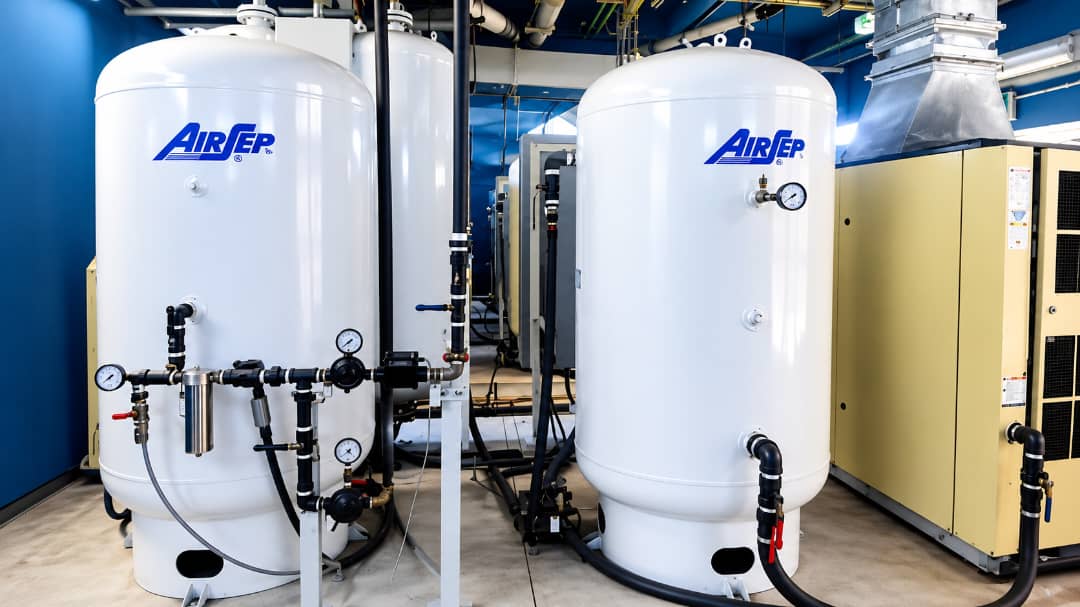

Ghana's healthcare sector has taken a significant step towards addressing oxygen supply challenges with Ridge Hospital's decision to open its medical oxygen production facility to external buyers. The initiative, which commenced in February 2026, marks a strategic shift in how the country's leading tertiary health institution manages its critical resources.
The Greater Accra Regional Hospital, commonly known as Ridge Hospital, has traditionally reserved its oxygen output exclusively for patients within its wards. The new commercial arrangement now extends supply to other health facilities and individual consumers who meet eligibility criteria, creating what could become a more stable distribution network across Ghana's fragmented healthcare landscape.
How the oxygen production system works
Ridge Hospital's oxygen plant operates through a sophisticated process designed to deliver pharmaceutical-grade oxygen. Atmospheric air is compressed and then passed through multiple filtration stages that eliminate moisture and particulate matter, including bacterial contaminants. The purified oxygen is subsequently channelled through an extensive pipeline network distributed across hospital wards, reaching patients via standardised outlets. Pressure monitoring systems ensure consistent delivery at medically appropriate levels, maintaining both safety and efficacy standards.
Why it matters for Ghana
Medical oxygen remains one of Ghana's healthcare system's most critical bottlenecks. Secondary and tertiary facilities frequently struggle with reliable supply, forcing patients and families to source oxygen privately at considerable expense. The practice has created a two-tier oxygen access system: wealthy patients secure supply through private channels, whilst many Ghanaians without resources face rationing or treatment delays. Ridge Hospital's expansion into commercial supply offers potential relief, particularly for district hospitals and smaller private clinics that currently lack production capacity.
The initiative also reflects evolving management approaches within Ghana's public health sector, where revenue-generating services supplement stretched government budgets. By monetising surplus production capacity, Ridge Hospital can sustain its oxygen plant operations, fund maintenance, and potentially invest in system upgrades—a model increasingly necessary as Ghana's healthcare infrastructure ages without proportional budget increases.
Implementation and next steps
According to Juliana Haruna, Ridge Hospital's Head of Public Relations, the oxygen sales programme represents management's commitment to strengthening healthcare delivery reliability. The commercial operation ensures consistent oxygen availability both for the hospital's own patients and for external buyers, creating mutual benefit. However, specific details regarding pricing structures, distribution logistics, and capacity constraints remain undisclosed.
Stakeholders will be watching whether this initiative becomes a template for other tertiary institutions with production capacity. If successful, similar arrangements at facilities like Korle Bu Teaching Hospital and other regional facilities could substantially improve Ghana's oxygen security during emergencies and routine operations alike.
The oxygen supply crisis intensified during the COVID-19 pandemic when demand overwhelmed domestic capacity, forcing emergency imports and highlighting systemic vulnerabilities. Initiatives like Ridge Hospital's expansion represent gradual progress towards self-sufficiency, though questions persist about whether current domestic production can meet Ghana's full healthcare oxygen requirements long-term.
Source: MyJoyOnline





Comments (0)
Be the first to comment.