World Bank alarm: Over half of Ghanaians still trapped in poverty despite economic growth
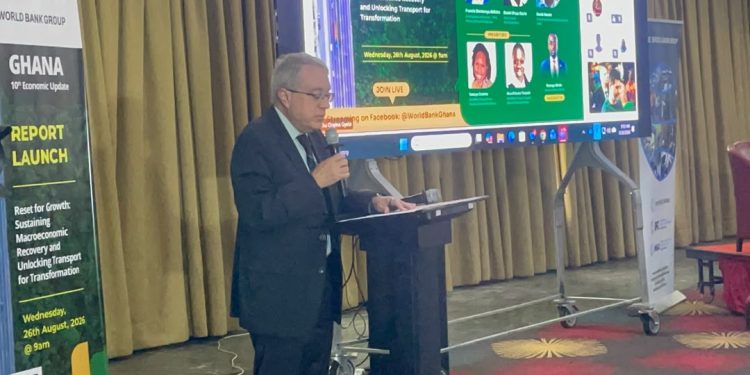
A sobering new assessment from the World Bank has laid bare a troubling reality facing Ghana: despite the country's economic growth trajectory, more than half the population remains in poverty, with widening disparities between regions pointing to a fundamental disconnect between headline figures and everyday life for ordinary Ghanaians.
At the launch of the World Bank Group's 10th Ghana Economic Update, Division Director for Ghana, Liberia and Sierra Leone Dr Robert Taliercio O'Brien presented findings showing that 56.4% of Ghanaians continue living below the poverty line. Crucially, the report highlights that spatial disparities are worsening—meaning the benefits of growth are concentrating in specific areas whilst many regions lag behind.
The growth that isn't reaching people
The World Bank's core finding exposes a painful gap between what national economic statistics suggest and what Ghanaians experience in their communities. Dr Taliercio O'Brien stressed that Ghana's growth remains largely disconnected from broad-based improvements in living standards for the majority. This pattern—where an economy appears to be performing well on paper but most citizens feel no tangible benefit—reflects structural weaknesses that demand urgent policy intervention.
The spatial dimension is particularly concerning. Rather than poverty reduction spreading across the country, Ghana's geography of opportunity is becoming increasingly uneven. Urban centres and certain regions are capturing growth benefits whilst others fall further behind, exacerbating inequality and regional tension.
The employment crisis beneath the surface
Perhaps more alarming for Ghana's future is the World Bank's diagnosis of the economy's structural problem: growth is being driven by sectors with limited capacity to absorb workers. This creates an especially acute challenge as Ghana's young, growing population enters the labour market over the coming decade.
Ghana has one of Africa's youngest populations, with millions of school-leavers and graduates entering the workforce annually. Yet the sectors leading economic growth—often capital-intensive industries or services with restricted hiring needs—cannot absorb this labour supply at the scale required. The result is mounting unemployment and underemployment among youth, even as the economy technically grows.
Why it matters for Ghana
This World Bank assessment carries significant implications for Ghana's development trajectory and social stability. A persistent poverty rate above 56% signals that growth alone is insufficient—without deliberate structural reform and job-creation policies, poverty reduction will stall despite positive GDP figures.
The widening spatial disparities threaten to deepen regional inequalities, potentially fuelling migration pressures, urban overcrowding, and social friction. Young Ghanaians unable to find meaningful work in their regions may migrate to cities or seek opportunities abroad, contributing to brain drain.
The mismatch between economic structure and labour market needs requires government action to diversify growth sectors, invest in skills training aligned with emerging industries, and create pathways for youth employment in agriculture, manufacturing, and green sectors. Without urgent intervention, Ghana risks a situation where the economy grows but citizens' welfare stagnates—a recipe for frustration and instability.
The World Bank's findings underscore a critical message for policymakers: growth statistics alone do not translate to development. Broad-based, inclusive growth that reaches Ghana's regions and creates jobs for its young population must become the priority.
Source: Today GH
-1-752x622.webp)

Comments (0)
Be the first to comment.