
Wa-Han-Tumu Road Project Advances Faster Than Expected, Deputy Minister Reports
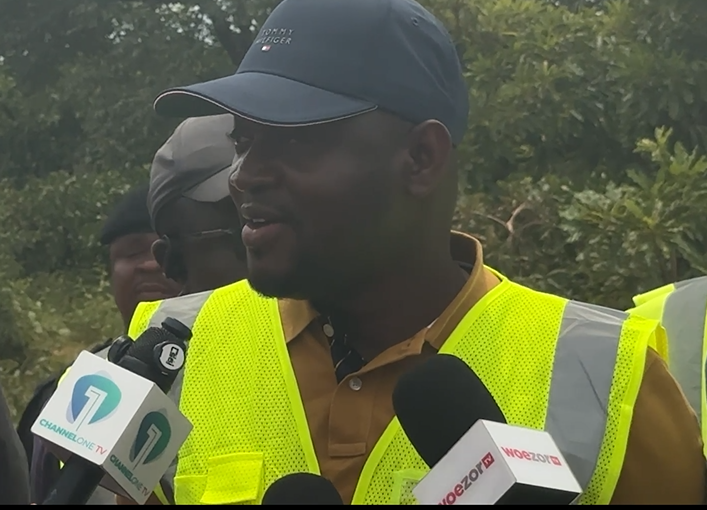

The 90-kilometre road corridor connecting Wa, Han and Tumu in Ghana's Upper West Region is moving faster than initially projected, with contractors delivering progress 10 percent ahead of schedule, according to Deputy Minister for Roads and Highways Alhassan Suhuyini.
The commendation from the ministry signals momentum on a project that forms a critical link in the region's transport infrastructure network. Suhuyini's remarks highlight the contractors' efficiency in executing this significant development initiative in one of Ghana's northern regions.
Strategic Importance for Upper West Development
The Wa-Han-Tumu corridor serves as a vital economic and social lifeline for the Upper West Region. The road connects three major settlements in the zone, facilitating trade, commerce, and access to healthcare and educational services across communities that have historically faced transport challenges.
Better road infrastructure in the region is expected to reduce travel times, lower transportation costs for businesses and individuals, and improve market access for local agricultural and mineral products. For residents, improved connectivity means more reliable access to regional markets in cities like Wa, and better links to neighbouring regions.
The corridor also enhances regional integration within the ECOWAS framework, improving trade routes towards Burkina Faso and the Ivory Coast.
What This Means for Ghana's Infrastructure Push
Ghana's government has prioritised road development as a cornerstone of its economic growth strategy. Regional roads like the Wa-Han-Tumu corridor support the government's broader agenda to decentralise economic activity, reduce urban congestion, and unlock the productive potential of rural and northern areas.
Projects ahead of schedule are rare in Ghana's construction sector, where delays due to funding challenges, weather, and contractor capacity have historically plagued infrastructure delivery. The fact that this project is outpacing its timeline suggests effective project management, adequate funding flow, and contractor competence—factors Ghanaians should welcome as signs of improving project governance.
The faster-than-scheduled progress may also indicate optimised planning or unusually favourable conditions on the ground. Either way, early completion would mean the region benefits sooner and reduces the fiscal burden of extended project timelines, freeing up resources for other development needs.
Looking Ahead
While the 10 percent acceleration is encouraging, Ghanaians and residents of Upper West will be watching to ensure the pace is maintained without compromising quality standards. Road durability is critical—poorly executed roads create larger economic losses through vehicle damage, accidents, and repeated rehabilitation costs.
The success of this project matters beyond the Upper West. It demonstrates whether Ghana's infrastructure delivery mechanisms are improving and whether the country can execute major regional development projects efficiently. As more corridors and trunk roads progress across Ghana, the lessons and momentum from this project could shape delivery on other critical national projects.
Source: 3News




Comments (0)
Be the first to comment.