Governs Kwame Agbodza: How Ghana's Roads Minister Is Reshaping Infrastructure Policy

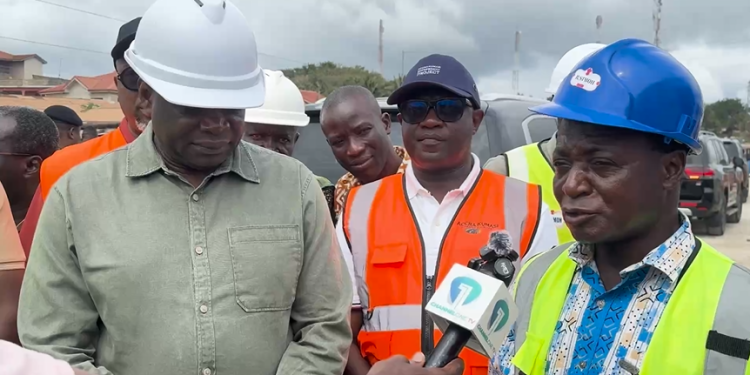
Governs Kwame Agbodza, Ghana's Minister for Roads and Highways and Member of Parliament for Adaklu, has emerged as a central figure in the government's push to overhaul the country's deteriorating road network. As Ghana grapples with persistent challenges in infrastructure maintenance and development, Agbodza's tenure has drawn both scrutiny and hope from citizens and stakeholders invested in improved transport connectivity across the nation.
The roads sector remains critical to Ghana's economic development. Poor road conditions increase transport costs, damage vehicles, and hinder the movement of goods and services across regions. Rural communities particularly suffer from inadequate road infrastructure, which limits access to markets, healthcare, and educational facilities. Against this backdrop, Agbodza's appointment carries significant weight for Ghanaians hoping to see meaningful progress in this vital sector.
The Minister's Role and Responsibilities
As Roads and Highways Minister, Agbodza oversees the management, maintenance, and development of Ghana's extensive road network. His responsibilities encompass coordinating with the Road Fund Administration, managing contractor performance, allocating resources, and implementing policies that determine how Ghana invests its limited funds in transport infrastructure. The position requires balancing competing demands from multiple regions whilst maintaining fiscal discipline.
Representing Adaklu in Parliament adds another dimension to Agbodza's profile. As a legislator, he participates in debates on national budgets and policies affecting the roads sector, positioning him as both an executive implementer and a voice for his constituents in legislative discussions about infrastructure priorities.
Why It Matters for Ghana
Ghana's road infrastructure challenges are well documented. Many highways remain potholed and dangerous, whilst rural roads lack proper maintenance. The cumulative effect costs the economy billions in vehicle damage, lost productivity, and increased transport fares that ripple through the entire supply chain. For ordinary Ghanaians, this means paying more for goods, enduring longer commute times, and facing safety hazards daily.
A minister genuinely committed to sector reform could catalyse meaningful change through several channels: improving project management and contractor accountability, prioritising maintenance over new construction where needed, and ensuring transparent allocation of the limited Road Fund resources. However, the sector's challenges are systemic and structural, involving inadequate funding, political pressures to favour certain regions, and enforcement difficulties.
For Ghanaians, the performance of ministers like Agbodza directly affects their quality of life. Better roads reduce transport costs, improve safety, and enhance economic productivity. They also signal government commitment to equitable development across all regions, from the bustling corridors of Accra to the more remote corners of the nation.
As Ghana continues its infrastructure development agenda, the roads sector will remain under scrutiny. Citizens and observers will be watching to assess whether Agbodza's tenure delivers tangible improvements or represents another cycle of promises and limited results. The stakes for Ghanaians are high, making the performance of the Roads Ministry one of the more consequential portfolios in government.
Source: 3News

Comments (0)
Be the first to comment.