
Accra-Kumasi Expressway moves closer to reality as Armed Forces complete right-of-way clearance
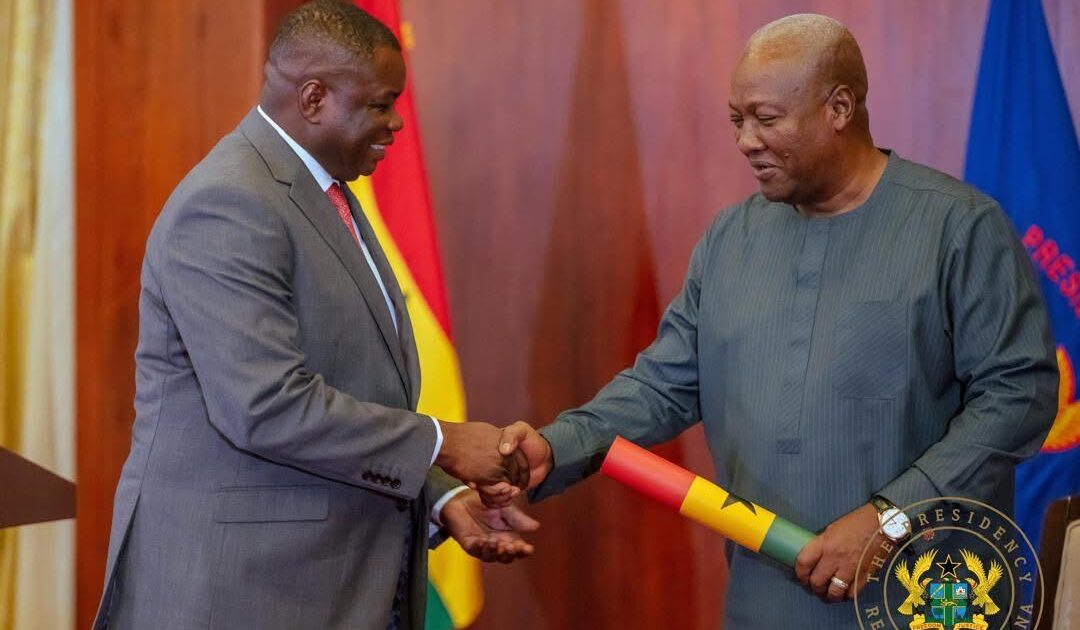

A major milestone has been reached in the construction of the Accra-Kumasi Expressway, Ghana's most anticipated road infrastructure project, as the Ghana Armed Forces has finished clearing the entire right-of-way along the 300-kilometre corridor. The Road and Highways Minister, Governs Kwame Agbodza, announced that government will now move forward with detailed design work and contractor procurement ahead of actual construction.
The clearance of land along the full expressway route represents a significant procedural step, removing a substantial administrative hurdle that often delays major infrastructure projects in Ghana. With this phase complete, the project is positioned to enter more concrete stages, though timelines for procurement and construction commencement have not yet been announced.
A generational infrastructure vision
Minister Agbodza characterised the expressway as a transformative undertaking designed to reshape Ghana's transport landscape for decades to come. He drew parallels with earlier landmark infrastructure achievements, noting that previous Ghanaian leaders had left their own imprints through projects such as the Tema Motorway and the port development.
The minister emphasised that this expressway represents President Mahama's commitment to delivering a lasting legacy in Ghana's road sector. "This is our generational intervention," Agbodza stated, suggesting the project's significance extends beyond immediate economic gains to represent a defining contribution to national development that future generations will recognise and benefit from.
Why it matters for Ghana
The Accra-Kumasi Expressway holds enormous strategic importance for Ghana's economy and social development. Accra and Kumasi are Ghana's two largest cities, serving as economic powerhouses and regional hubs. A modern expressway connecting them would dramatically reduce travel time—currently a gruelling six to eight hours by car—making the journey substantially faster and safer.
Beyond the immediate comfort of travellers, the expressway promises significant economic benefits. Faster, more reliable transport between Ghana's capital and its second-largest city would boost trade, attract investment to underserved regions along the corridor, and reduce logistics costs for businesses. This has particular relevance for traders, farmers and small businesses in central Ghana who currently face high transport expenses.
The project also reflects broader government infrastructure ambitions and signals commitment to tackling Ghana's persistent road challenges. However, citizens will be watching closely as the project moves into procurement and construction phases, given Ghana's history with large infrastructure projects facing delays, cost overruns and quality concerns.
Next steps and timeline
With the right-of-way clearance complete, government attention now turns to finalising detailed designs for the expressway and launching a competitive procurement process to select contractors. These phases typically involve extensive engineering surveys, environmental assessments and cost refinements before construction can begin.
The government has positioned this as a priority project, but no specific construction start date or completion timeline has been publicly announced. Given the scale and complexity of building a modern expressway over 300 kilometres, construction is likely to span several years once contractors are selected.
Source: MyJoyOnline



Comments (0)
Be the first to comment.