Volta House of Chiefs lands four Chinese investment deals in tech, construction and fish farming
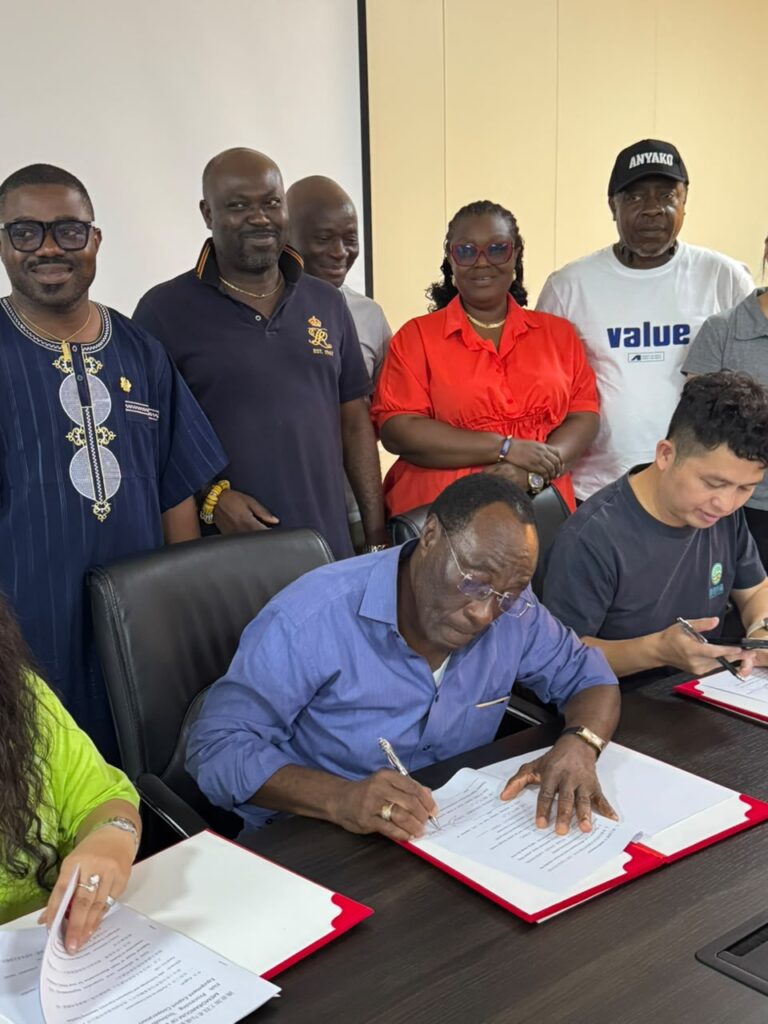
The Volta Regional House of Chiefs has secured four major investment agreements with Chinese companies, marking a significant push to attract foreign capital and technology into the region. The deals, signed during a delegation visit to China this week, target digital transformation, construction, general investment channels and large-scale fish farming—sectors chiefs say are vital to regional economic growth.
The agreements represent an ambitious strategy by regional leadership to bypass traditional investment pathways and directly engage Chinese businesses in developing the Volta's economic potential. With Ghana increasingly competing for foreign direct investment across its regions, the House of Chiefs' move signals a willingness among traditional authorities to play an active role in attracting and negotiating international partnerships.
The four partnerships explained
The first agreement with Guangdong Welleap Information Technology Company focuses on digital transformation and technology transfer—areas where Ghana's regions have historically lagged behind. The second, with Foshan Jinting Construction Engineering Company Limited, targets infrastructure and industrial projects. A third framework agreement with SINOHUI Investment Ghana Limited is designed to channel Chinese direct investment more broadly into Ghana's economy.
The most concrete partnership involves Moaming Yuantian Food Co., Ltd., a major Chinese aquaculture operator. The company processes 150,000 kilogrammes of tilapia daily across nine production lines and manages over 260,000 hectares (mu) of tilapia ponds globally, exporting to more than 70 countries. The Volta Region, with its abundant water resources and the Volta Lake, is being positioned as a potential hub for expanded commercial fish farming.
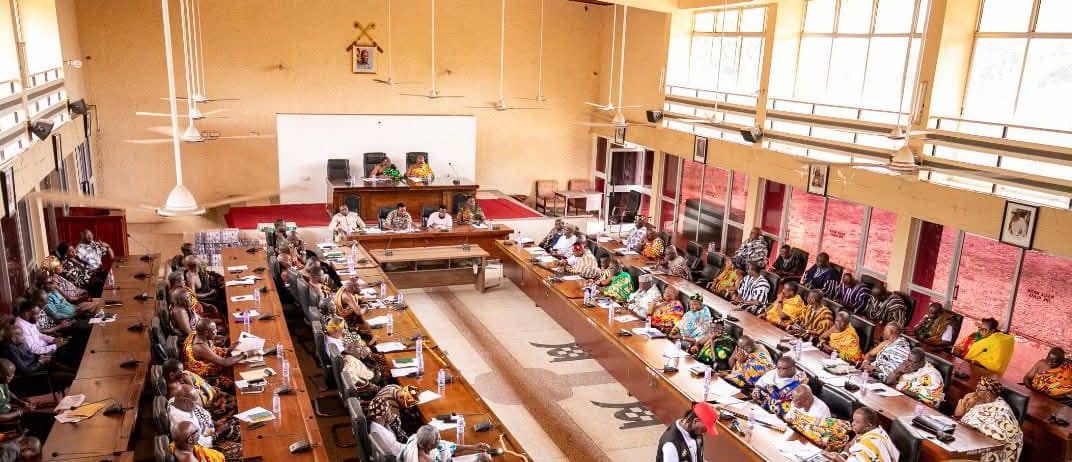
Togbe Tepre Hodo IV, President of the House of Chiefs, framed the agreements as essential to repositioning the Volta Region for sustainable development. He emphasised that the technology partnership would accelerate digital adoption, the construction deal would boost infrastructure, and the investment arrangements would bring Chinese capital and expertise into key sectors.
Why it matters for Ghana
These deals carry significance beyond the Volta Region. They highlight how regional institutions are increasingly taking independent action to attract investment, potentially creating new models for economic development across Ghana. The aquaculture agreement is particularly noteworthy: Ghana's fish sector faces supply pressures, with imports rising as local production struggles. A major Chinese aquaculture player establishing operations in the Volta Basin could increase domestic fish supply, reduce import dependency and create jobs in processing and farming.
The digital transformation agreement also addresses a genuine gap. Many rural and regional economies in Ghana remain digitally underdeveloped. Technology transfer from a Chinese tech company, if implemented effectively, could improve business processes, e-commerce capabilities and digital services in the region.
However, such partnerships require careful scrutiny. Questions about environmental sustainability (particularly for aquaculture), labour standards, local benefit-sharing and technology ownership terms typically need to be transparently negotiated. Ghanaians in the Volta Region will be watching to see whether these agreements translate into tangible employment, skills development and economic benefits, or remain largely extractive arrangements favouring foreign investors.
The mission was facilitated by Ghana's Ambassador to China, Kojo Bonsu, with the Volta delegation coordinated by Peter Ahiekpor. The House of Chiefs indicated it will continue pursuing similar partnerships aimed at job creation and long-term economic development.
Source: MyJoyOnline


Comments (0)
Be the first to comment.