
Vice President Calls on Ghanaian Youth to Harness Social Media for Peace, Not Division
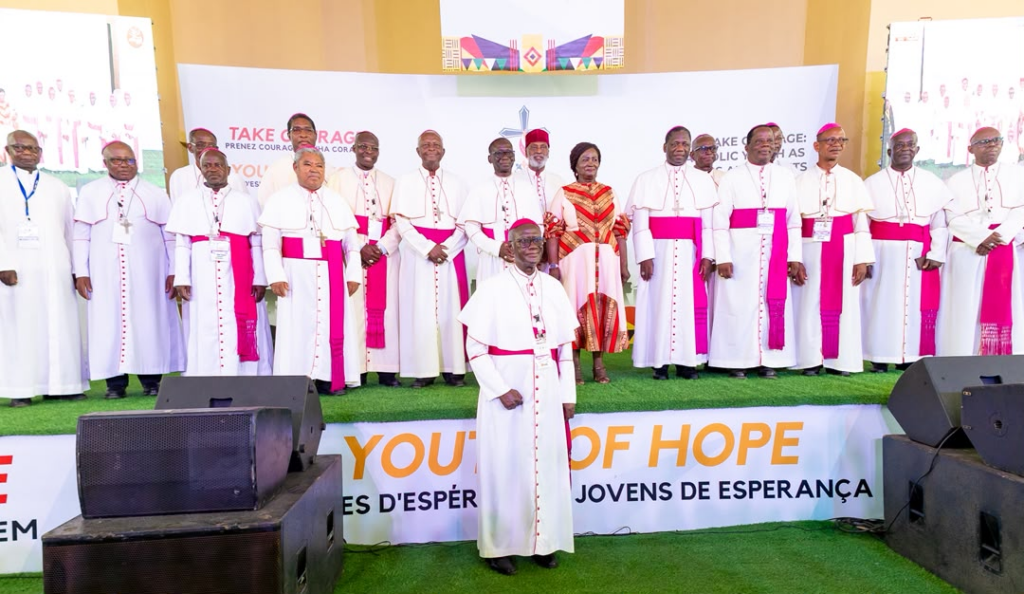

Vice President Professor Jane Naana Opoku-Agyemang has issued a strong appeal to young people across West Africa to use social media and digital platforms as tools for building peaceful communities rather than spreading divisive content and falsehoods.
Speaking at the 2026 West Africa Youth Days held in Accra, Prof. Opoku-Agyemang acknowledged that while technology has immense potential to deepen social fractures and amplify prejudice, it equally possesses the capacity to democratise knowledge, unlock economic opportunities, and foster unity among young people across the region.
The Vice President's intervention comes at a time when misinformation and online hate speech have become increasingly prevalent across West Africa, with young people often serving as both producers and consumers of divisive content on platforms such as WhatsApp, TikTok, Facebook and X. Her message underscores Ghana's commitment to digital citizenship and responsible internet use as critical components of national development.
Technology's Double-Edged Role in Society
Prof. Opoku-Agyemang stressed that the onus lies with young people themselves to recognise and exercise agency in determining how they deploy digital tools. She encouraged youth to consider the downstream consequences of their online activities, including how a single shared post or video can rapidly escalate tensions, reinforce harmful stereotypes, or incite violence in communities already vulnerable to polarisation.
The Vice President also called for sustained investment in education and the expansion of economic opportunities for young people throughout West Africa. By addressing youth unemployment and providing pathways to meaningful work, she suggested, societies can reduce the desperation that sometimes drives young people towards extremism or antisocial online behaviour.
West Africa's Youth Face Mounting Pressures
Reverend Matthew Kwasi Gyamfi, President of the Ghana Catholic Bishops' Conference and host of the regional event, reinforced these themes by naming the specific crises confronting young people in the sub-region: economic hardship, widespread unemployment, and the threat of violent extremism. Rev. Gyamfi urged youth not to succumb to despair in the face of these challenges but to channel their energy and hope into constructive change.
The event itself, organised by the Regional Episcopal Conference of West Africa and hosted by Ghana's Catholic Bishops' Conference, reflects the role that faith-based organisations continue to play in shaping youth discourse and mobilising young people around shared values of peace and dignity.
Why It Matters for Ghana
Ghana's democratic institutions and relative stability have long been cited as advantages within the West African context. However, the country has not been immune to the rise of online polarisation, particularly around political divisions, religious tensions, and ethnic identity. The Vice President's remarks at a regional platform carry particular weight for Ghanaian youth, who represent a digitally connected and increasingly influential cohort in shaping national conversation.
As Ghana approaches future electoral cycles and navigates complex social conversations around inclusion and representation, the promotion of digital responsibility among young people is not merely aspirational—it is foundational to preserving social cohesion. Youth who understand the power of their platforms and choose to use them for education, economic collaboration, and peacebuilding rather than division stand to shape a more stable and prosperous Ghana.
Source: MyJoyOnline



Comments (0)
Be the first to comment.