
US Tightens Visa Rules: Cybercriminals' Families Now Face Entry Bans
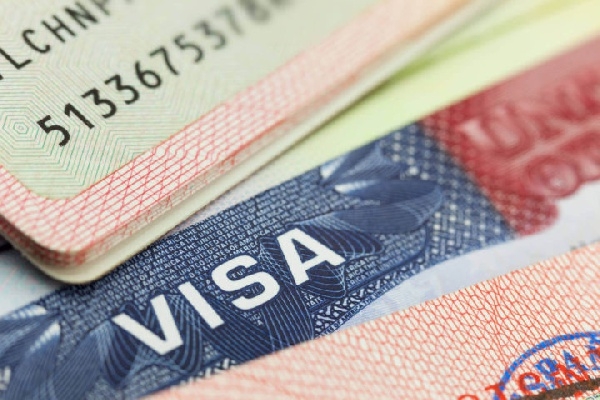

The United States has rolled out a stricter visa policy that extends beyond individual cybercriminals to their immediate family members, marking an escalation in Washington's fight against online fraud and exploitation. The policy, announced by US Secretary of State Marco Rubio on 23 July 2026, aims to dismantle transnational criminal networks responsible for billions in losses to American victims.
Under the new regulations enforced through Section 212(a)(3)(C) of the US Immigration and Nationality Act, the US government can now deny visas not only to those directly involved in cybercrime but also to their spouses, children and other immediate family relatives. This collective approach signals a harder stance on those who knowingly assist cybercriminals or benefit from their operations.
The Scale of the Cybercrime Crisis
The expansion of visa restrictions comes as American cybercriminals inflict massive financial damage on US citizens. According to State Department figures, Americans lost at least $10 billion to online investment scams alone in 2024. Beyond financial fraud, law enforcement has documented a disturbing rise in sextortion schemes—extortion tactics involving explicit imagery—that particularly target young people in the United States.
The US administration has identified Chinese transnational criminal organisations as orchestrators of many high-profile cybercriminal operations. These groups coordinate not only investment fraud but also money laundering, corruption and human trafficking networks. The interconnected nature of these crimes underscores why the US government believes restricting movement for entire criminal ecosystems is necessary.
Why It Matters for Ghana
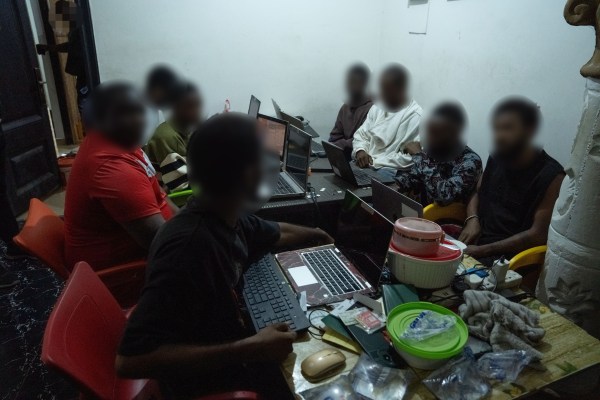
For Ghanaians and West Africans, this visa policy carries significant implications. Ghana, like several African nations, has a documented presence of cybercriminal networks involved in romance scams, business email compromise schemes and investment fraud targeting people globally. The expansion of US visa sanctions to family members may affect Ghanaians connected to such operations, whether directly or through family ties.
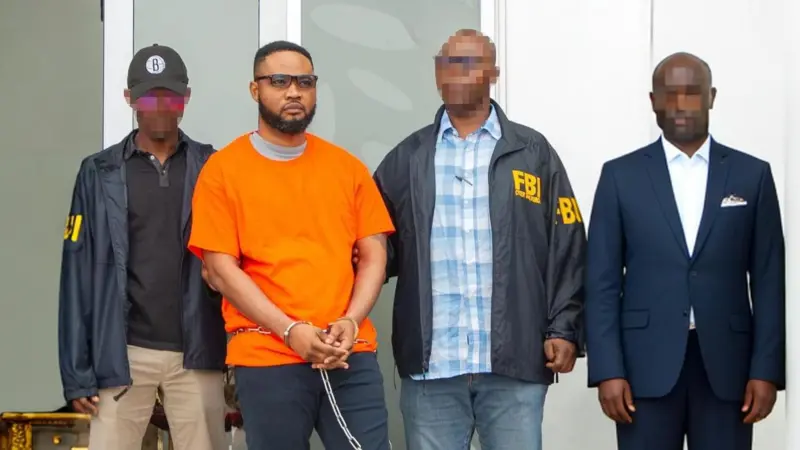
Additionally, the policy reflects growing international pressure on countries to address cybercrime within their borders. As the US strengthens enforcement tools—including asset seizures, extradition requests and enhanced cooperation with law enforcement—Ghana and other nations may face increased demands to cooperate in investigations and prosecutions of cyber actors operating from West Africa.
For legitimate Ghanaian business professionals and students seeking US visas, the tighter screening linked to this policy could mean more rigorous vetting, though those with no connection to cybercrime should not be directly affected.
Broader Enforcement Arsenal
The visa restrictions represent just one tool in Washington's expanding cybercrime response. Secretary Rubio emphasised that the US will deploy economic sanctions, criminal prosecutions, asset seizures and stronger international law enforcement cooperation. The policy follows President Donald Trump's Executive Order 14390, which prioritises dismantling cyber networks exploiting American citizens.
US officials have framed the measures as essential deterrents. By holding family members accountable through visa denials, the government hopes to discourage participation in cybercriminal enterprises and weaken the financial incentives that make these schemes attractive to criminal networks operating across borders.
Source: The Ghana Report



Comments (0)
Be the first to comment.