
Ghanaian Cybercriminal Sentenced to Over 7 Years for $100M Romance Scam Operation
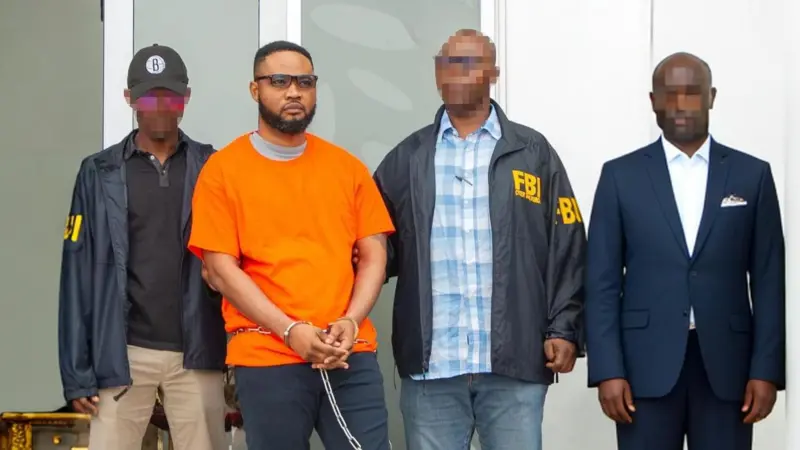

A Ghanaian national has been sentenced to more than seven years in a US federal prison for his role as a ringleader in a massive international romance scam that bilked over $100 million from predominantly elderly Americans. Derrick Van Yeboah was ordered to serve 85 months in custody and must repay more than $10 million in personal restitution to his victims.
The case represents one of the most significant cybercrime prosecutions involving Ghanaian suspects in recent years, highlighting the persistent threat posed by organised online fraud networks operating from West Africa. Van Yeboah's conviction underscores the reach of US law enforcement in tracking down perpetrators of international financial crimes, even when operations are coordinated from Ghana.
How the Scam Operation Worked
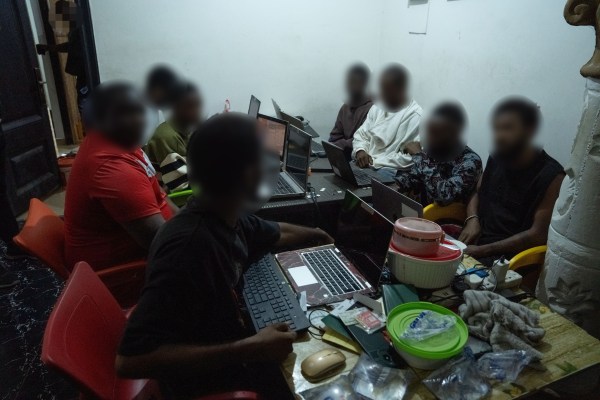
Romance scams typically involve fraudsters creating fake online profiles to build relationships with victims, often over weeks or months, before requesting money for fabricated emergencies, travel expenses, or investment opportunities. The network Van Yeboah led targeted vulnerable populations, particularly older Americans, who were particularly susceptible to emotional manipulation.
The scale of the operation—generating over $100 million in fraudulent proceeds—demonstrates the sophisticated nature of organised cybercrime rings in Ghana. Such networks typically involve multiple members handling different roles: profile creation, victim engagement, money transfers, and asset liquidation through cryptocurrency or other untraceable methods.
Why It Matters for Ghana
This case carries significant implications for Ghana's international reputation and regulatory environment. While the vast majority of Ghanaians are law-abiding, high-profile cybercrime cases involving Ghanaian nationals contribute to negative perceptions of the country in Western markets and diplomatic relations.
The conviction demonstrates that US authorities are actively pursuing Ghanaian-based fraud networks with vigour. This has prompted increased scrutiny of Ghana's digital financial sector and calls for stronger cybercrime legislation and enforcement. Ghana's own law enforcement agencies, including the Cyber Crime Unit and Economic and Organised Crime Office (EOCO), have intensified efforts to dismantle such rings domestically.
Beyond legal consequences, victims of romance scams suffer profound emotional and financial trauma. Many lose life savings and face severe psychological distress after discovering they've been targeted by criminals masquerading as romantic partners. The restitution orders imposed on perpetrators like Van Yeboah provide some compensation, though recovery is often incomplete.
Broader Implications and Prevention
The sentencing sends a clear message that international cybercrime does not escape prosecution. US law enforcement agencies utilise digital forensics, international cooperation, and extradition agreements to hold perpetrators accountable regardless of location.
For Ghanaians and citizens across West Africa, the case serves as a cautionary reminder about the serious criminal penalties attached to online fraud. It also highlights the importance of digital literacy and vigilance when engaging in online relationships or financial transactions.
Authorities recommend that individuals exercise caution with online romantic interests, particularly those who quickly request money, claim to be in distress, or resist video calls. Victims of suspected romance scams should report incidents to local law enforcement and relevant cybercrime units.
Source: 3News



Comments (0)
Be the first to comment.