Trump threatens 'crushing' sanctions on Iran and allies; what it means for Ghana's energy costs
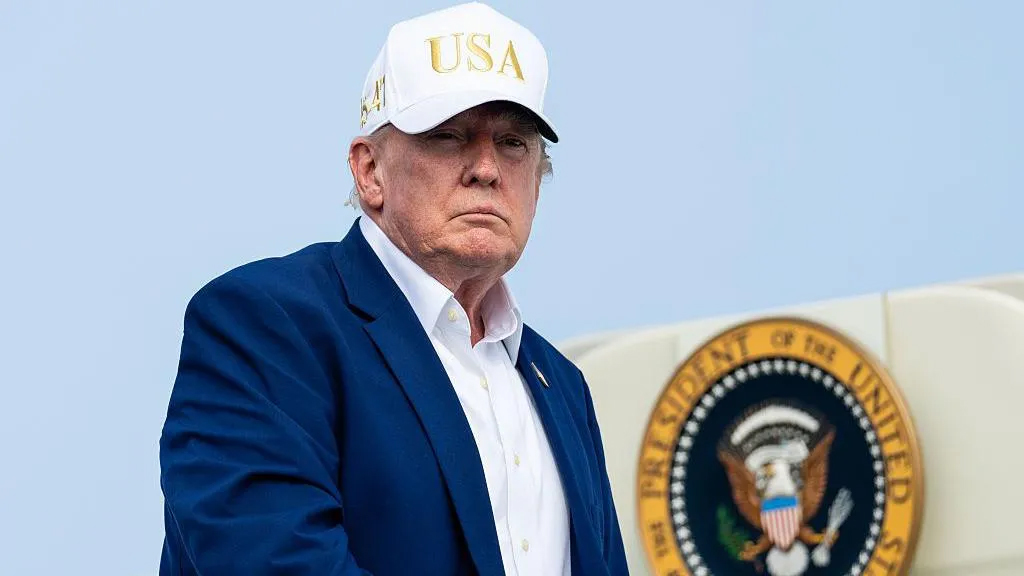
Donald Trump has announced plans to impose what he describes as "the most crushing economic operation ever taken against any country" on Iran, alongside threats of severe consequences for any nation that provides financial or economic support to Tehran. The declaration, made via his Truth Social platform, represents an escalation in US economic pressure following the expiration of a 60-day ceasefire on Monday without diplomatic progress.
The US President emphasised that countries allowing their financial institutions, businesses, airports, or government entities to support Iran would face "tremendous economic consequences", though he did not specify what forms of punishment might be implemented. Trump specifically highlighted concerns about oil smuggling, swap lines, cash transfers, exchange houses, ship registries, and front companies that facilitate Iranian revenue flows.
The escalating pressure campaign
This latest threat builds on Operation Economic Fury, which the US Treasury Department and Pentagon announced in April. That operation aimed to degrade Iran's warfighting capability by cutting off revenue streams and included a naval blockade targeting Iranian exports. Following Trump's announcement, the United Arab Emirates, a key US ally in the region, announced it would sever all financial and economic ties with Iran after detecting two ballistic missiles launched from Iranian territory toward maritime traffic.
China emerges as a critical focus of these measures, though not explicitly named. Chinese refineries, particularly privately owned "teapot refineries" in Shandong province, represent the largest buyers of Iranian oil and a major funding source for Tehran. The US has already sanctioned several of these facilities, prompting China's Ministry of Commerce to declare such sanctions violations of international law and to order non-compliance.
Iran's Foreign Minister Abbas Araghchi dismissed Trump's threats as a diversionary tactic from America's own economic difficulties, arguing that "doubling down on failed policies will only bring further defeat—and enmity of Iranians."
Why it matters for Ghana
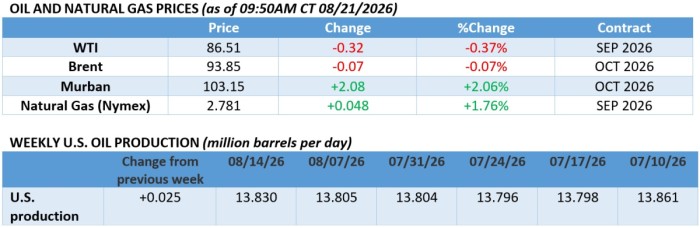
For Ghana and other African nations, the implications of escalating Iran sanctions are significant. Global oil prices remain sensitive to Middle Eastern geopolitical tensions and supply disruptions. During the current conflict, Iran has demonstrated capacity to stem marine traffic through the Strait of Hormuz, through which approximately 20 percent of the world's crude oil and liquefied natural gas typically flows. Any intensification of economic sanctions or military confrontation could further disrupt global energy supplies, driving up crude prices—a concern directly affecting Ghana's energy sector and government revenue from oil exports.
Additionally, if secondary sanctions target countries doing business with Iran, Ghana and other developing economies must carefully evaluate any existing trade or financial relationships with Tehran to avoid unintended economic consequences. The uncertainty surrounding which nations might face "tremendous economic consequences" creates a complex environment for international commerce.
The conflict's broader impact on global inflation and energy costs also carries implications for Ghana's import-dependent economy. Elevated oil prices increase costs for fuel, transportation, and electricity generation, ultimately affecting the purchasing power of Ghanaian consumers and the sustainability of government subsidies.
Unresolved tensions and future risks
Trump has reportedly also threatened to bomb Oman, a US ally, if it interferes with separate US-Iran negotiations aimed at reopening the Strait of Hormuz. This rhetoric underscores the volatile nature of current diplomatic efforts and the potential for rapid escalation. Whether these new economic measures will pressure Iran toward negotiations or deepen entrenchment remains unclear, but the global economic risks are substantial.
Source: The Ghana Report

Comments (0)
Be the first to comment.