
Toxic Fumes, Deadly Toll: How Accra's Traffic Pollution is Harming Ghanaians' Health
-1200x686.webp)

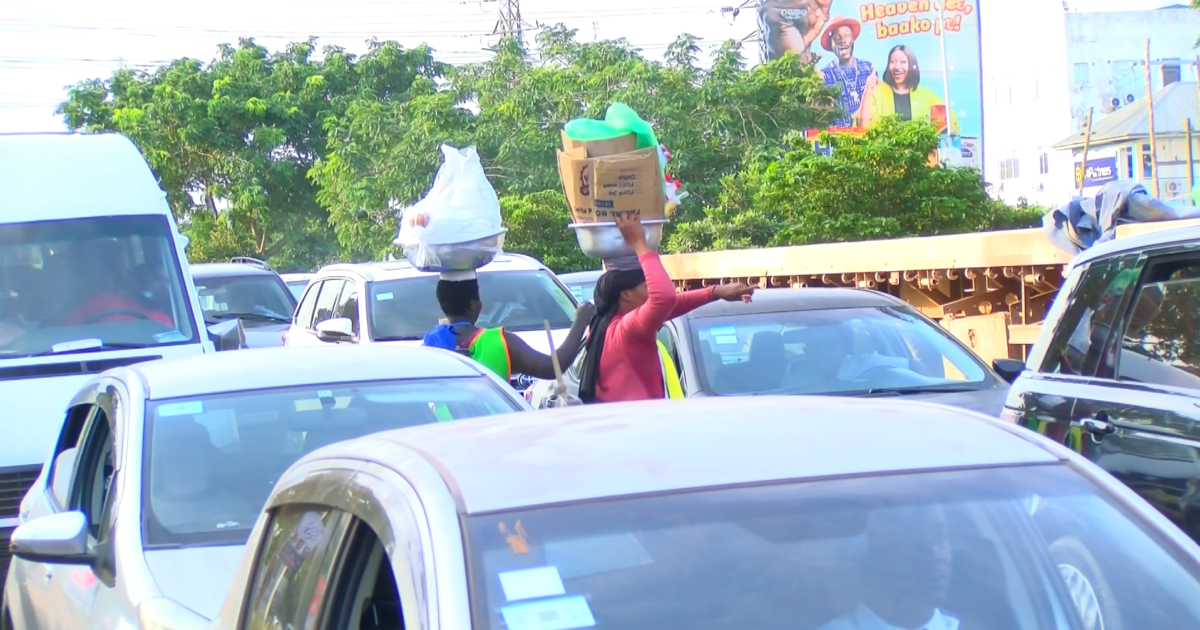
Drivers and commuters at Accra's busy 37 Military Bus Terminal are increasingly aware of a silent killer on Ghana's roads: vehicle emissions. Public health experts are now sounding the alarm about the direct link between air pollution from cars, buses and trucks and life-threatening diseases affecting millions of Ghanaians daily.
The evidence is stark. Prolonged exposure to vehicle exhaust—which contains nitrogen dioxide, particulate matter, and carbon monoxide—has been scientifically linked to coronary heart disease, stroke, and chronic respiratory conditions including asthma and bronchitis. For a country where traffic congestion in major cities like Accra has reached critical levels, this poses an urgent public health crisis.
The Scale of Ghana's Air Quality Problem
Ghana's rapid urbanisation and growing vehicle fleet have created perfect conditions for air pollution to flourish. Accra, the nation's largest city, experiences some of the heaviest traffic volumes in West Africa. The 37 Military Bus Terminal—one of the city's major transport hubs—serves as a microcosm of the problem: thousands of vehicles converge daily, many ageing and poorly maintained, belching emissions into the air breathed by drivers, traders, and residents.
The problem extends beyond Accra. Cities like Kumasi, Takoradi, and Tema face similar challenges as vehicle ownership continues to climb faster than infrastructure improvements can accommodate. Many vehicles on Ghanaian roads lack basic emission controls, and enforcement of environmental standards remains inconsistent.
Vulnerable populations—including children, elderly citizens, and those with pre-existing respiratory conditions—face the highest risk. Health facilities across Ghana already report increasing cases of respiratory complaints and cardiovascular disease, with urban areas showing notably higher prevalence rates.
Why This Matters for Ghana
Vehicle emissions represent a critical but often overlooked public health threat in Ghana. Unlike infectious diseases, air pollution's effects are gradual and diffuse, making them easy to ignore until health outcomes deteriorate. Yet the economic and social costs are substantial: lost productivity, increased healthcare expenditure, and reduced quality of life for millions.
The World Health Organisation has designated air pollution as a major environmental risk factor, responsible for millions of premature deaths globally. Ghana's relatively weak environmental enforcement and limited air quality monitoring infrastructure mean the true scale of the problem may be underestimated.
For policymakers, this underscores the need for comprehensive action: vehicle emission standards enforcement, investment in public transport to reduce private car dependency, urban planning that reduces congestion, and promotion of cleaner vehicle technologies. Some progress has been made—Ghana has adopted regional emission standards through ECOWAS—but implementation remains patchy.
What Commuters and Drivers Can Do
While systemic change is essential, individuals can take steps to reduce their exposure:
- Limit time spent in heavy traffic; adjust commute times or routes where possible
- Support vehicle maintenance standards to reduce personal contribution to emissions
- Advocate for expanded public transport options to reduce reliance on individual vehicles
- Wear appropriate protective masks in high-pollution areas during peak traffic hours
Ghana's transport sector will continue growing. The question is whether the nation can modernise it responsibly—protecting the health of its citizens while maintaining economic mobility. The drivers and commuters at 37 Military Bus Terminal deserve answers.
Source: 3News
-1200x535.webp)


Comments (0)
Be the first to comment.