The Tony Elumelu Moment: What Ghana's Corporate World Can Learn About Workplace Respect
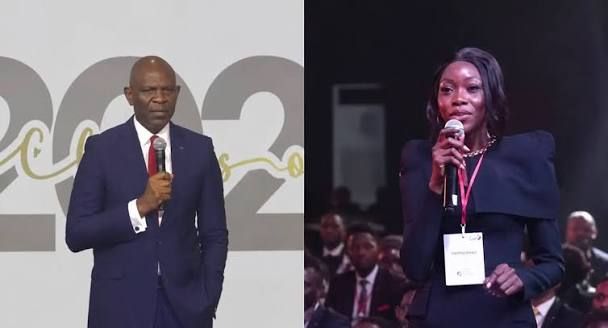
A recent viral video featuring entrepreneur Tony Elumelu has ignited conversations across Ghana's corporate landscape about the unspoken rules governing workplace interactions, professional respect, and what constitutes appropriate behaviour in business settings. The incident has prompted HR professionals and business leaders to examine whether modern workplaces have clear enough boundaries around respect and accountability.
The video, which circulated widely on social media, captured a moment that challenged conventional thinking about hierarchies in the workplace. What made it particularly noteworthy in Ghana and across West Africa is that it involved a high-profile figure, making it impossible to ignore the broader questions about how respect operates in professional environments regardless of status or wealth.
Understanding Workplace Culture in Ghana
Ghana's business environment sits at an intersection of traditional respect for authority and increasingly informal modern corporate practices. Many Ghanaian companies maintain hierarchical structures where greetings, tone, and deference to senior figures remain important cultural markers. However, the rise of tech startups, younger leadership, and international influence has shifted some expectations around what workplace culture should look like.
HR professionals like Juliet Enam Dogbatse have highlighted that these shifting norms create genuine confusion. Employees often navigate between what their families taught them about respect, what their company's formal policies state, and what they observe their peers doing daily. When a situation becomes public and contested, it reveals how little consensus exists around these unwritten rules.
Why It Matters for Ghana's Workplaces
This conversation arrives at a critical moment for Ghana's professional sector. As the country attracts more multinational corporations, remote work becomes normalised, and younger generations enter leadership roles, organisations must decide what their actual values are around respect and accountability.
- Ghanaian companies need explicit conversations about workplace conduct expectations, not just policies gathering dust
- The incident demonstrates that position and wealth don't exempt anyone from basic professional courtesy
- HR departments must help bridge the gap between traditional cultural values and modern workplace standards
- International standards of workplace respect increasingly influence how Ghanaians evaluate corporate behaviour
For multinational companies operating in Ghana, this moment underscores the importance of cultural adaptation—understanding that respect means different things in different contexts. A greeting, a tone of voice, or a simple acknowledgement carries weight in Ghanaian culture that might seem invisible to outsiders.
Moving Forward: Building Better Workplace Norms
The conversation sparked by this viral moment offers an opportunity for Ghana's HR community and business leaders to establish clearer expectations. Rather than relying on unwritten rules that vary by company, generation, and background, organisations could benefit from explicit discussions about respect.
This includes training for managers on respectful leadership, clarity about what accountability looks like across all levels, and recognition that modern workplace culture need not abandon the cultural values Ghanaians hold dear. Instead, these values can be integrated thoughtfully into professional environments.
As Ghana continues developing its economy and competing for talent and investment, the quality of its workplace culture will matter increasingly. Companies that get this right—combining efficiency with genuine respect—will find themselves better positioned to attract and retain the best people. The Tony Elumelu moment, uncomfortable as it was, has given Ghana an opportunity to think seriously about who wants to work, and how.
Source: 3News
Comments (0)
Be the first to comment.