
Teachers' unions slam government over missing allowance in mid-year budget review
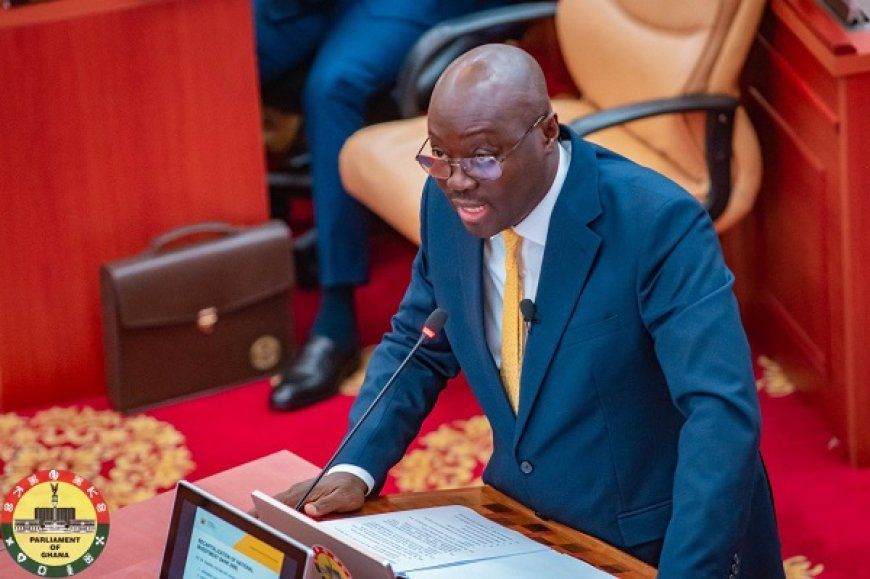

Ghana's largest teachers' unions have voiced strong disappointment following the mid-year budget review presented to Parliament by Finance Minister Dr. Cassiel Ato Forson, citing the conspicuous absence of the Deprived Area Allowance from government spending plans. The development has rekindled tensions between educators and the government over compensation commitments.
While Dr. Forson outlined substantial government investment in the education sector, pointing to over GH¢4 billion in expenditure, teacher organisations argue the budget fails to address a critical grievance affecting educators posted to remote and disadvantaged communities. The Deprived Area Allowance is meant to provide supplementary compensation to teachers working in economically challenged regions with limited infrastructure and social amenities.
What teachers are demanding
The Deprived Area Allowance has long been a contentious issue in Ghana's education sector. Teachers posted to deprived communities argue they face additional hardships—limited access to healthcare, poor housing conditions, inadequate educational resources, and geographical isolation—that justify hazard-related compensation. This allowance was intended to incentivise educators to take positions in underserved areas and recognise the sacrifices involved in such postings.
The omission from the mid-year budget review suggests either the government has not prioritised this commitment or fiscal constraints have forced difficult decisions. Either interpretation has frustrated union leadership, who argue that meaningful investment in teacher welfare directly translates to improved educational outcomes across all regions.
Why it matters for Ghana
Teacher satisfaction and retention remain critical challenges for Ghana's education system. When educators feel undervalued or overlooked in budget allocations, recruitment and retention in remote areas becomes increasingly difficult. This directly affects quality of education delivery in rural and deprived communities, where students already face disadvantages due to limited resources.
The broader context matters too: Ghana's education sector has struggled with consistent funding challenges, teacher-student ratios, and infrastructure deficits. While GH¢4 billion in investment appears substantial, unions question how effectively these funds are allocated and whether core welfare concerns for educators are adequately prioritised. The Budget Review process is supposed to be an opportunity to address pressing issues identified in the year's first half.
This dispute also reflects deeper questions about government's commitment to education equity. Rural and deprived areas already struggle to attract quality educators; without targeted allowances and support mechanisms, educational inequalities between urban and remote communities risk widening further.
What happens next
The teachers' unions will likely escalate their advocacy, potentially through formal negotiations with the Ministry of Education and the Finance Ministry. Past disputes over teacher allowances have occasionally triggered industrial action, though unions typically attempt dialogue first. The government will face pressure to either include the allowance in subsequent budget allocations or provide a clear timeline for its implementation.
The full implications will depend on whether this is a temporary budgetary constraint or reflects changed policy priorities. If the government intends to permanently deprioritise the allowance, formal negotiations with unions will be necessary to manage fallout and explore alternative solutions for supporting teachers in deprived areas.
Source: 3News



Comments (0)
Be the first to comment.