Supreme Court to decide fate of judges sitting during legal vacation
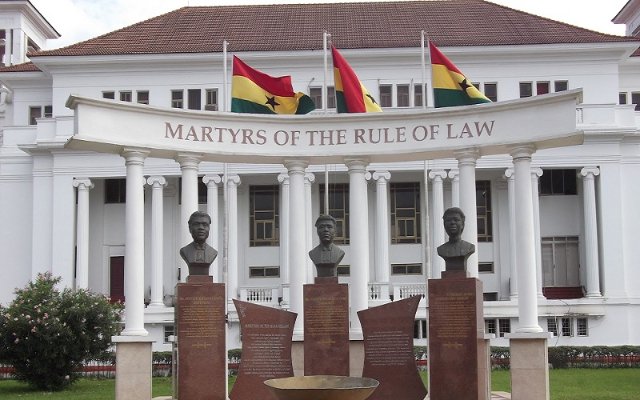
Ghana's highest court is set to deliver a significant ruling today on whether the Chief Justice's decision to direct selected High Court judges to continue hearing criminal cases during the legal vacation is constitutional. The case, filed by Ofoase-Ayirebi Member of Parliament Kojo Oppong Nkrumah, raises fundamental questions about accused persons' constitutional rights and judicial independence.
The core legal challenge
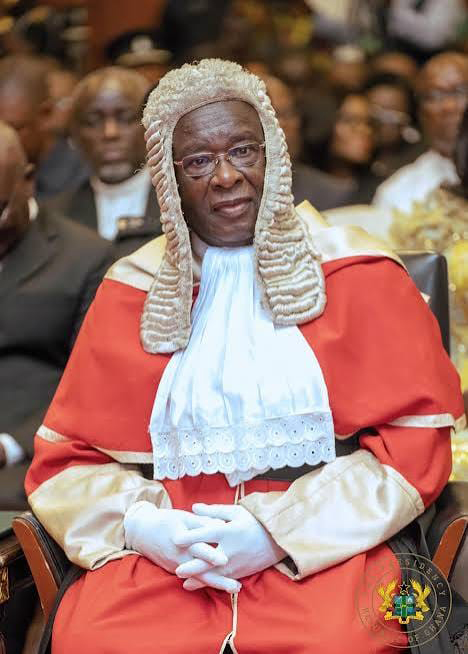
The suit challenges administrative warrants issued by Chief Justice Paul Baffoe-Bonnie that allow particular criminal cases to proceed while the courts are in recess. The applicant's legal team, led by lawyer Frank Davies, argues that continuing trials during the legal vacation violates accused persons' constitutional right to fair representation and the ability to choose their own legal counsel. The lawyers involved in these selected cases had indicated they were unavailable during the vacation period.
Mr Davies stressed that the challenge is not against trials happening during vacation in principle, but specifically against proceeding when the defence counsel are not available. He questioned why only certain criminal cases were being prioritised for hearing while other matters remained suspended, suggesting an inconsistency in how the vacation arrangements were applied across the docket.
Constitutional separation of powers dispute
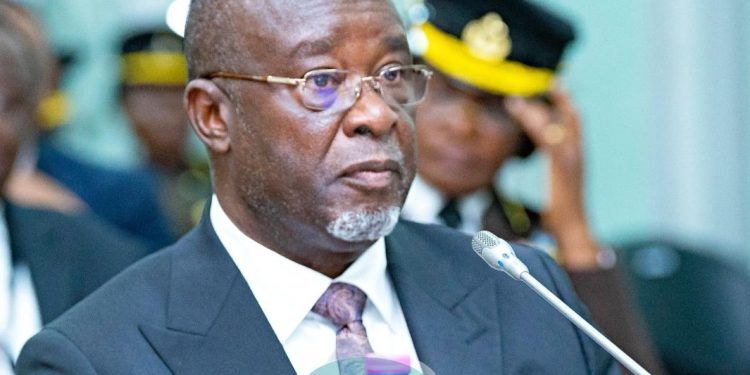
A secondary but significant issue has emerged regarding the legal representation of the Chief Justice in this case. Mr Davies challenged the Attorney General's involvement in defending the Chief Justice, arguing that since the judiciary is an independent arm of government separate from the executive, the Chief Justice should have independent legal representation rather than being defended by the state's legal officer.
This argument touches on fundamental principles of constitutional governance in Ghana. The three branches of government—judiciary, legislature, and executive—are designed to operate independently, and having the executive's chief legal officer defend the head of the judiciary could blur these essential lines of separation.
Why it matters for Ghana
This ruling will have lasting implications for how Ghana's courts balance operational efficiency against constitutional protections. The right to fair representation and choice of counsel are foundational to the rule of law and a functioning justice system. If the court upholds the Chief Justice's warrants, it establishes that administrative convenience can override lawyer availability. If it rules against them, it reinforces that accused persons' constitutional rights cannot be suspended even during court vacations.
The decision also clarifies the proper relationship between Ghana's executive and judicial branches. How the court handles the representation issue will signal whether institutional independence is meaningful or merely theoretical. For lawyers and the legal profession, the outcome determines whether they must cancel vacation plans to participate in trials scheduled during recess, or whether such scheduling requires their advance agreement.
For citizens awaiting trial, this case addresses whether their constitutional protections remain intact during institutional break periods, or whether the courts can override these protections in the name of reducing case backlogs. Ghana's criminal justice system already faces significant delays, making the tension between efficiency and fairness particularly acute.
Source: MyJoyOnline


Comments (0)
Be the first to comment.