
Stop the Theft: Greater Accra Minister Calls on Residents to Protect Street Lights
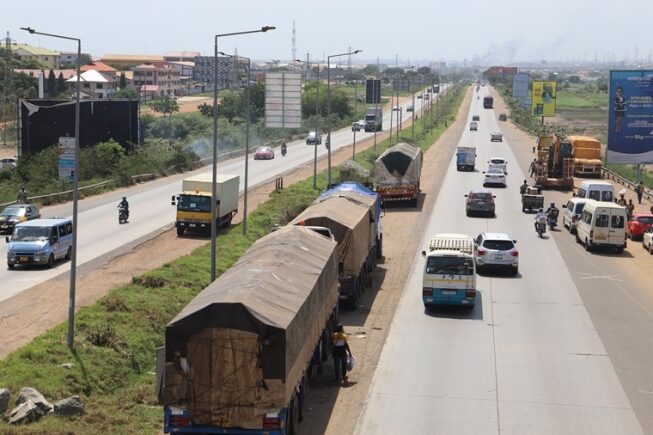

Greater Accra Regional Minister Linda Ocloo has made a passionate appeal to residents across the region to actively report the theft of street lights in their communities, describing the ongoing problem as a serious threat to public safety and the broader mission to modernise and beautify Ghana's capital city and its surroundings.
Speaking at a news conference in Accra, Mrs Ocloo acknowledged that considerable work had already been done by the Regional Coordinating Council, various Metropolitan, Municipal and District Assemblies (MMDAs), and the Ministry of Energy and Green Transition to expand and improve street lighting infrastructure. However, she stressed that those gains were being steadily eroded by the theft of installed equipment before communities could fully benefit.
A crime with real consequences for ordinary Ghanaians
The theft of street lights may appear minor on the surface, but its impact is felt directly by everyday Ghanaians. Poorly lit streets contribute to road accidents, create conditions that make pedestrians — particularly women and children — vulnerable to crime, and discourage economic activity in affected neighbourhoods after dark. For traders, commuters and residents in communities where street lights have been stripped away, the darkness is not merely an inconvenience; it is a safety hazard.
Mrs Ocloo made clear that a well-lit city serves multiple essential purposes — from improving the aesthetic appeal of public spaces to protecting motorists, pedestrians, businesses and local residents. "I wish to encourage the public to be on the lookout and report any incidents of theft in your locality," she urged, calling on community members to take ownership of public infrastructure rather than viewing it as the government's problem alone.
Why it matters for Ghana
Street light theft is not a new phenomenon in Ghana. Across Greater Accra and other urban centres, the stealing of copper wiring, bulbs, solar panels and other components from public lighting systems has long plagued municipal authorities. The cost of repeatedly replacing stolen infrastructure places a significant burden on already stretched district assembly budgets, diverting funds that could be used for other development priorities such as roads, sanitation and community facilities.
The issue also speaks to a broader challenge of protecting public assets in Ghana. When public infrastructure is damaged or stolen, it is ultimately taxpayers and communities that bear the cost — either through reduced services or through funds redirected from other needs to cover replacement expenses.
Mrs Ocloo's call comes at a time when the government has signalled a renewed commitment to urban renewal and infrastructure improvement in Greater Accra, making the protection of existing installations all the more critical.
Corporate Ghana urged to step up
Beyond appealing to ordinary residents, the Minister also issued a challenge to Ghana's corporate sector and traditional authorities to play a more active role in improving public spaces. She called on businesses and institutions to adopt public areas, contribute to the installation and maintenance of street lights, support the painting of principal streets, and invest in the general beautification of their surrounding communities.
"This is an opportunity for corporate Ghana to demonstrate its commitment to national development," Mrs Ocloo said, framing private sector involvement not merely as charity but as a meaningful contribution to the country's progress.
- Development partners and traditional rulers were also urged to lend their support to public space improvement initiatives across the region.
- The Minister's appeal reinforces a growing recognition that sustaining public infrastructure requires community vigilance, not just government investment.
- Residents with information about street light theft are encouraged to report incidents to their local assemblies or security services.
Ultimately, the message from the Greater Accra Regional Minister is straightforward: public infrastructure belongs to everyone, and protecting it is a shared responsibility. Reporting theft is not just civic duty — it is an investment in the safety and dignity of every community across the region.
Source: MyJoyOnline

Comments (0)
Be the first to comment.