
Ga East Assembly to demolish illegal waterway structures as flooding crisis deepens
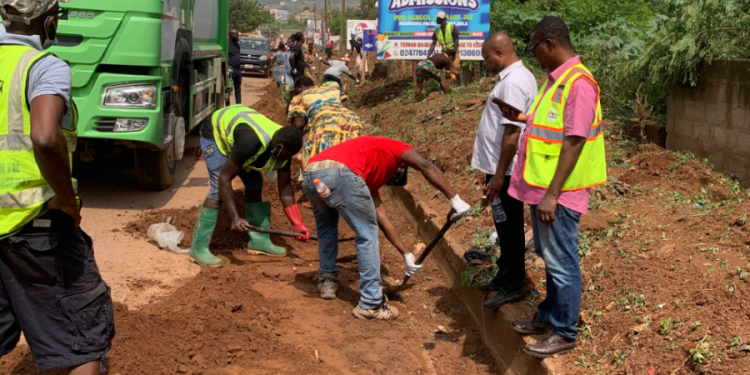
The Ga East Municipal Assembly is intensifying its response to recent devastating floods by launching a major demolition exercise targeting illegal structures built on waterways across the municipality. The operation, scheduled to begin after July 16, marks a critical phase in the assembly's effort to restore natural drainage systems and prevent a repeat of the tragedy that claimed 11 lives in recent weeks.
Residents occupying affected areas have been given until Thursday, July 16 to vacate their homes before machinery moves in. Environmental Health Officer Ing. Charles Asabreh confirmed during a briefing to the Minister for Local Government, Chieftaincy and Religious Affairs, Ahmed Ibrahim, that structures identified as obstruction hazards have been marked for removal as part of comprehensive flood mitigation efforts.
Multi-pronged approach to drainage restoration
Beyond demolitions, the Ga East Assembly has already undertaken several interventions aimed at restoring water flow and reducing flood risk. These measures include extensive dredging of streams, desilting of drains, clearing of culverts, and systematic waste evacuation from drainage corridors. Officials stress that these combined efforts are essential to preventing water accumulation during heavy rainfall.
Ing. Asabreh outlined the Assembly's strategic focus: "We have taken a lot of steps to deal with the aftermath of the flooding we experienced. As an assembly, we have done some desilting and dredging of some streams in the area. We have also cleared our culverts to allow the water to flow and done a lot of evacuation of waste."
The officer acknowledged that the work is ongoing and extensive, with the Assembly committed to continuing remedial measures beyond the current demolition phase. Officials have specifically identified squatter settlements on waterways as high-priority zones for intervention, recognising that illegal occupation of drainage areas significantly amplifies flood vulnerability.
Why it matters for Ghana
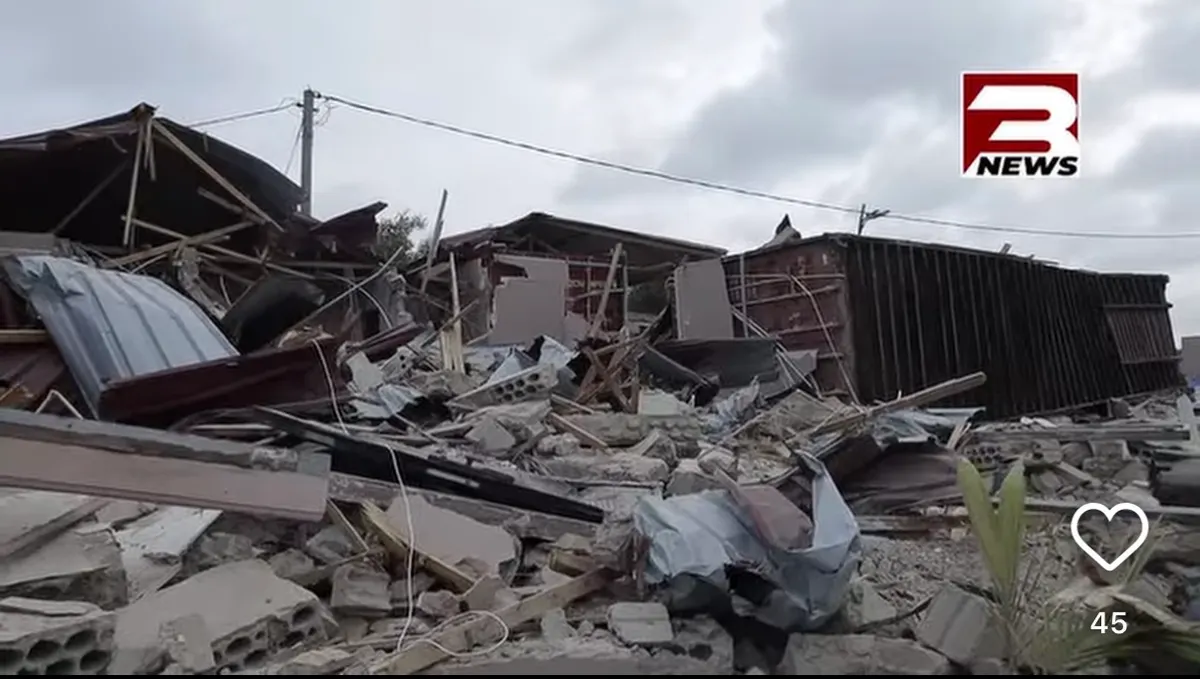
Flooding remains one of Ghana's most pressing urban challenges, particularly in Greater Accra where dense settlement patterns and inadequate drainage infrastructure create dangerous conditions during rainy seasons. The Ga East tragedy—with 11 deaths and widespread destruction—underscores the lethal consequences of unplanned development on waterways and blocked drainage channels.
This demolition exercise represents a broader shift towards enforcing environmental regulations and reclaiming public waterway corridors. However, it also raises important questions about alternative housing for displaced residents and the need for coordinated urban planning across the region. The Assembly's actions reflect growing pressure on local authorities to balance development concerns with life-safety imperatives.
The timing of the ministerial visit and announcement signals that flood management has become a priority for central government as well. With the rainy season ongoing, similar measures are likely being contemplated across other flood-prone areas of Greater Accra and beyond, potentially affecting thousands of residents living in informal settlements along drainage lines.
Escalating warnings against waterway encroachment
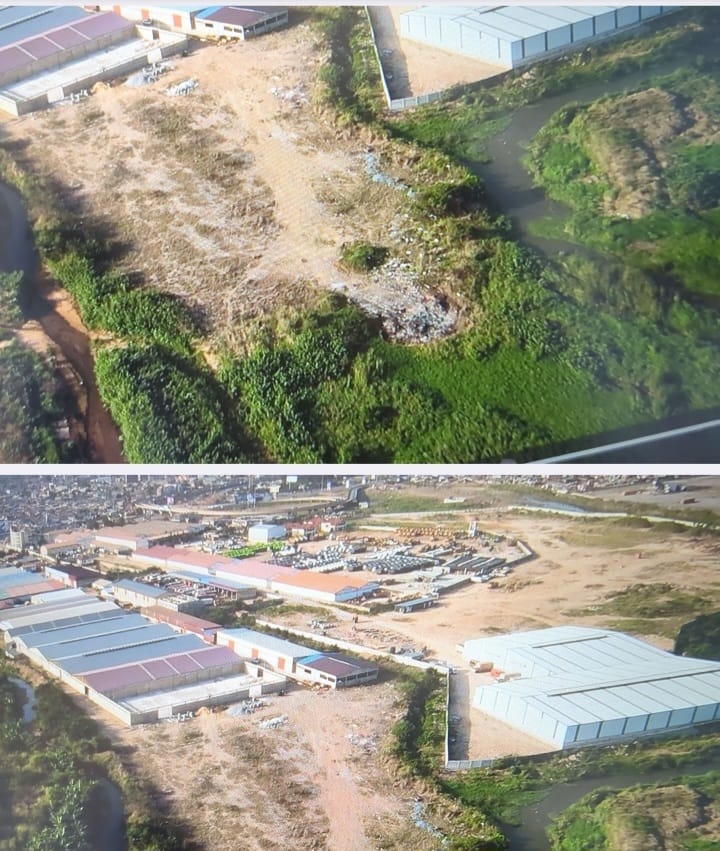
Municipal authorities have renewed their warnings against building on waterways, emphasising that such developments fundamentally obstruct natural drainage channels and create cascading flood risks for entire communities. Officials argue that removing these structures is not merely administrative action but a public health necessity.
The Assembly has called for long-term compliance with building regulations and proper land-use planning to ensure that future development does not compromise drainage infrastructure or put residents in harm's way during periods of heavy rainfall.
Source: MyJoyOnline

Comments (0)
Be the first to comment.