SPIRO to launch electric motorcycle operations in Ghana, targeting 40% cost cuts for commercial riders
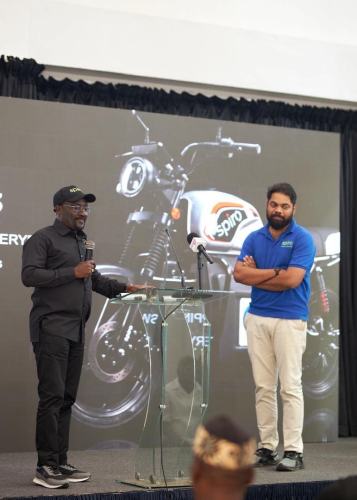
Electric mobility company SPIRO has officially announced its expansion into Ghana, bringing its integrated ecosystem of electric motorcycles, battery-swapping infrastructure and maintenance services to the West African market. The move represents a significant step in SPIRO's continental strategy to establish operations across 20 new African markets by 2027.
SPIRO already operates across seven African countries including Kenya, Rwanda, Nigeria and Uganda, where it has deployed over 146,000 electric motorcycles and more than 2,500 battery-swapping stations. The company has facilitated over 54 million battery swaps and achieved 2.5 billion kilometres of low-carbon travel across the continent. Ghana's entry marks expansion into a new regional hub with substantial potential for growth.
What SPIRO will offer Ghanaian riders and businesses
SPIRO's Ghana operations will focus on commercial riders and fleet operators seeking to reduce transport costs. The company projects that riders using its electric motorcycles can save up to 40% on operating costs compared to traditional fuel-based transport. Beyond individual savings, SPIRO plans to establish local assembly facilities, deploy a network of energy hubs for battery swapping, train technicians, stock spare parts and provide dedicated customer service to minimise downtime for commercial operators.
The infrastructure rollout will include mega swap stations similar to those operational in Kenya and Rwanda, allowing riders to exchange depleted batteries for fully charged ones within minutes, eliminating the need for lengthy charging waits that have historically challenged electric vehicle adoption in developing markets.
Economic opportunity and Ghana's green energy agenda
SPIRO's entry aligns with Ghana's broader sustainability goals and energy transition priorities. The company estimates its ecosystem could support over 200,000 direct and indirect jobs within three years across mobility, energy, logistics, maintenance and entrepreneurship. For a country seeking to reduce fuel imports and strengthen domestic economic resilience, electric mobility presents tangible advantages beyond environmental benefits.
Ghana's existing investments in energy infrastructure and emerging policy support for cleaner transport solutions create favourable conditions for SPIRO's operations. The transition to electric mobility offers opportunities to lower transport costs across commercial and private sectors, reduce dependence on imported petroleum and stimulate activity in green technology sectors where Ghana can develop local expertise and manufacturing capabilities.
Maxwell Dodd, SPIRO's Managing Director, emphasised the broader economic vision: "Electric mobility is not simply about transportation. It is about empowering people, strengthening businesses, creating jobs and building a more resilient economy." CEO of Mobility Kaushik Burman added that Ghana represents "an important new market" in SPIRO's goal to build a pan-African platform making electric mobility "more accessible, more affordable and more economically relevant for riders and businesses."
Timeline and next steps
SPIRO has not disclosed a specific launch date for Ghana operations but confirmed ongoing engagement with local stakeholders to establish necessary infrastructure, partnerships and regulatory compliance. The company's track record in neighbouring West African markets like Nigeria suggests deployment could occur within months of formal announcement.
As SPIRO formalises its Ghana entry, the company will need to navigate local regulatory frameworks, establish supply chain partnerships for vehicle assembly and coordinate with energy providers to optimise battery-swapping station placement for maximum commercial rider accessibility.
Source: Ameyaw Debrah


Comments (0)
Be the first to comment.