CUTS International calls for TRAFFITECH-GH delay as road infrastructure concerns mount

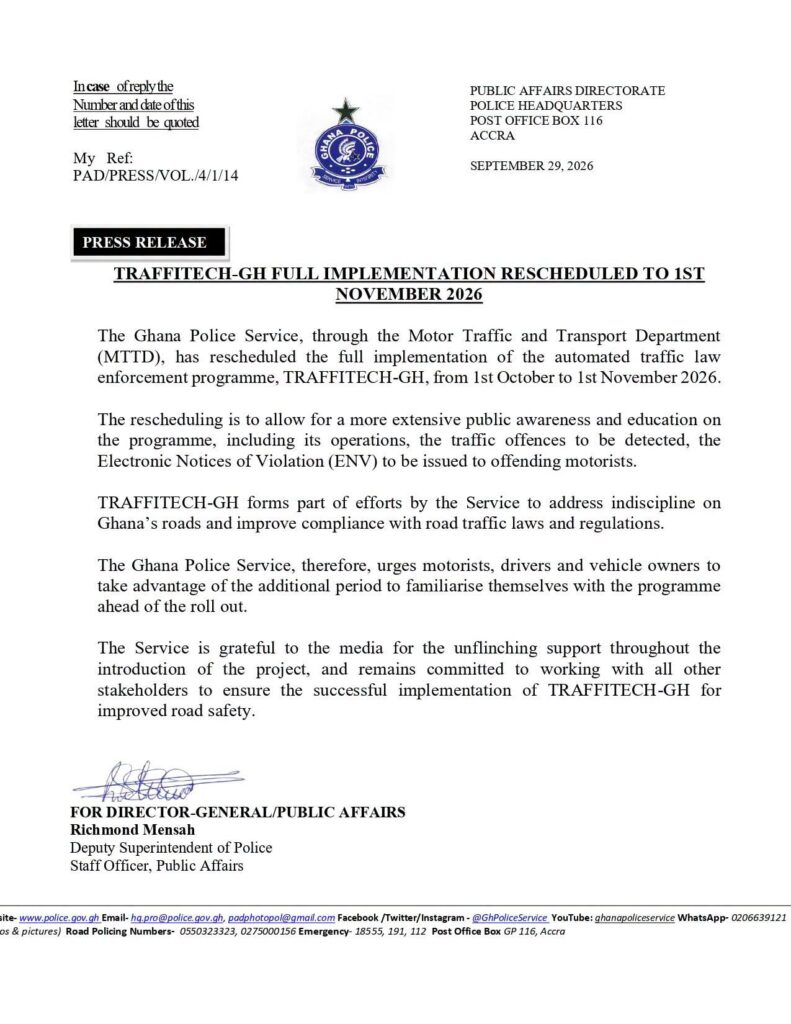
An influential transport and urban mobility advocacy group has called on Ghana's Motor Traffic and Transport Department (MTTD) to delay the implementation of TRAFFITECH-GH, the government's ambitious smart traffic management system, by two months to allow adequate preparation of the nation's road infrastructure.
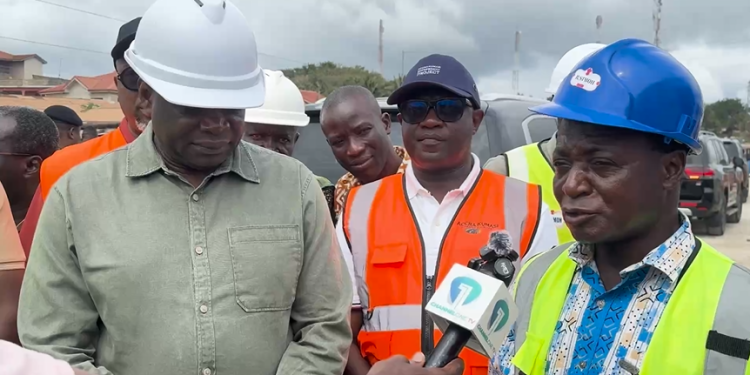
Speaking in an interview on Thursday, October 1, 2026, a representative from CUTS International expressed serious concerns about the readiness of urban roads ahead of the originally planned November rollout. The group highlighted numerous faulty traffic lights and other critical infrastructure deficiencies that could undermine the effectiveness of the new system when deployed.
Infrastructure gaps threaten system rollout
The TRAFFITECH-GH initiative represents a significant modernisation effort aimed at improving traffic flow and reducing congestion in Ghana's major urban centres. However, the system's success depends heavily on compatible and functioning ground-level infrastructure, particularly traffic signals and related equipment that must work in coordination with the new technology.
According to CUTS International, the current state of traffic infrastructure across Ghana's cities falls short of these requirements. Faulty traffic lights remain a persistent problem in many urban areas, a situation that would likely worsen rather than improve if TRAFFITECH-GH were implemented prematurely. The group's position reflects growing concern among transport experts that rushing the deployment could lead to system failures, public frustration, and ultimately damage confidence in government technology initiatives.
The proposed two-month extension to January 2027 would provide the MTTD and relevant agencies sufficient time to conduct thorough infrastructure audits, repair or replace faulty equipment, and ensure that Ghana's road network can support the smart traffic system effectively.
Why it matters for Ghana
Ghana's urban traffic congestion has become an increasingly urgent problem in Accra and other major cities, costing the economy through lost productivity, increased fuel consumption, and delays to commercial activity. TRAFFITECH-GH was conceived as a solution to these challenges through real-time traffic monitoring and automated signal optimisation.
However, the system is only as reliable as the infrastructure supporting it. A premature launch could set back public trust in such initiatives and waste resources on a half-functioning system. Ghanaians commuting in Accra, Kumasi, and other urban areas would bear the direct consequences of implementation failures.
The CUTS International recommendation also carries weight because the group has established credibility in transport advocacy across West Africa. Their intervention suggests that independent technical assessment is revealing genuine readiness gaps that the MTTD may not have fully addressed publicly.
Path forward
The MTTD now faces a decision: proceed with the November timeline and risk operational difficulties, or heed the advisory and use additional time for proper infrastructure preparation. International best practice in technology deployment typically favours thorough groundwork over speed-to-market, particularly in critical public services like traffic management.
Stakeholders including transport unions, commuter groups, and businesses relying on efficient road networks will be watching closely to see how this decision unfolds and whether Ghana's government prioritises long-term system integrity over short-term launch deadlines.
Source: 3News


Comments (0)
Be the first to comment.