
Commercial Drivers Strike Over TRAFFITECH-GH: Why Going on Strike Is Not the Answer
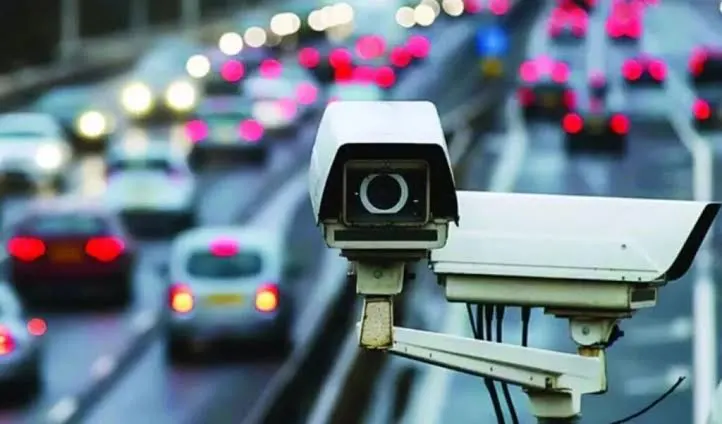

Ghana's commercial drivers brought their vehicles to a standstill on 4th November in protest against TRAFFITECH-GH, the country's newly deployed automated traffic enforcement system. Their core complaint: traders have taken over bus stops and loading bays, making it impossible to park legally — and yet the cameras will still fine them for traffic violations. It is a grievance that is not entirely without merit, but the method of response and the logic behind it deserve serious scrutiny.
What TRAFFITECH-GH Actually Does
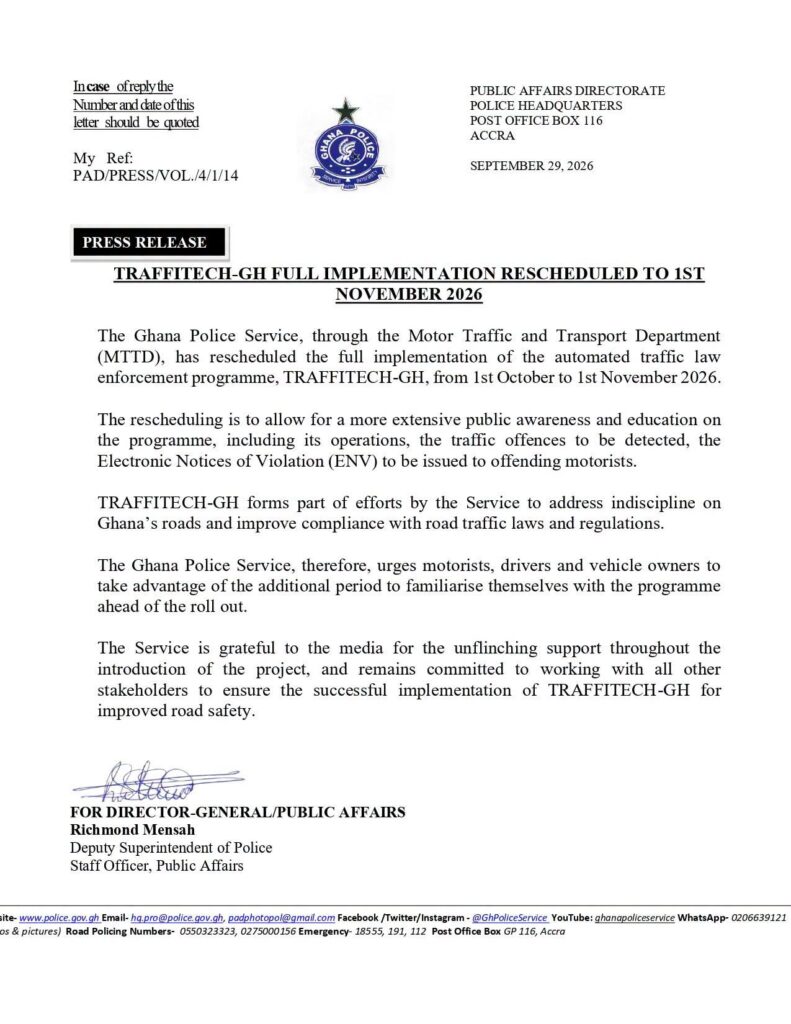
Before the debate gets swallowed by misinformation, it is worth being precise about what the system is and is not. According to the Ghana Police Service, TRAFFITECH-GH targets eight specific offences: over-speeding, running red lights, wrongful overtaking, failure to wear seatbelts, driving with an expired licence, expired roadworthiness certificates, driving without insurance, and misuse of sirens. The Motor Traffic and Transport Department has confirmed that the initial rollout is focused primarily on speeding, with other offences to be incorporated progressively.
What the system does not do is remove traders from bus stops, create new parking infrastructure, repair potholes, or compel District Assemblies to enforce Regulation 142 of L.I. 2180, which already prohibits trading at bus stops. Those are entirely separate responsibilities belonging to separate institutions — and blaming TRAFFITECH-GH for those failures is, at best, a conflation of unrelated issues.
The bus stop problem is real. Anyone who travels through Lapaz, Madina, Kaneshie or Kejetia regularly knows that these spaces have been colonised by traders for years, often decades. Metropolitan and Municipal Assemblies have largely failed to enforce existing rules, and the Police have frequently looked the other way. That failure is legitimate and must be addressed. But it has absolutely nothing to do with whether a driver should be allowed to speed.
Why It Matters for Ghana
Ghana's roads are among the most dangerous in the sub-region. Road traffic accidents claim thousands of lives every year, and the leading causes — speeding, drunk driving, failure to wear seatbelts, unroadworthy vehicles — are precisely the behaviours TRAFFITECH-GH is designed to deter. The logic that one unenforced law justifies ignoring another is not advocacy; it is a path towards normalising the absence of any law at all.
It is also worth noting that TRAFFITECH-GH does not exclusively target commercial vehicles. Private saloon cars, SUVs and any other vehicle on the road fall within its scope. The Toyota Camry doing dangerous speeds on the Tema Motorway and the V8 abusing emergency sirens are equally subject to its cameras. Commercial drivers do not have a unique grievance here — they share the road with everyone else and will share the enforcement too.
There are, however, legitimate questions that Ghanaians and civil society should be pressing on TRAFFITECH-GH itself. Who owns the system? What are the terms of any public-private partnership involved? How will fine revenues be distributed and accounted for? Is there a transparent, independent appeals process for drivers who believe they have been wrongly cited? Is video evidence accessible? These are the questions of genuine public interest — not whether traders happen to be selling near a bus stop.
Accountability Must Go Both Ways
The commercial drivers are not entirely wrong to demand that enforcement be consistent and fair. If cameras will catch drivers, then Assemblies must with equal energy clear illegal traders, designate proper loading bays and enforce pedestrian regulations. Selective accountability — where the driver is penalised but the trader is untouched — will rightly breed resentment and erode public trust in the system.
But the answer to selective enforcement is to demand broader enforcement, not to shut down what little enforcement exists. If the strike today succeeds in suspending TRAFFITECH-GH, it sets a precedent: that any group can simply withdraw cooperation with any law they find inconvenient until every other related grievance is resolved first. That precedent leads nowhere good.
- TRAFFITECH-GH targets eight traffic offences including speeding, red-light violations and expired documents.
- Commercial drivers struck on 4th November citing traders occupying bus stops as their primary grievance.
- Transparency over fine revenues, ownership and appeals processes remains a key public interest concern.
Source: The Ghana Report


Comments (0)
Be the first to comment.