
Roads Minister Kwarteng Stands Behind TraffiTech-GH, Urges Critics to Prioritise Road Safety Over Cost Concerns
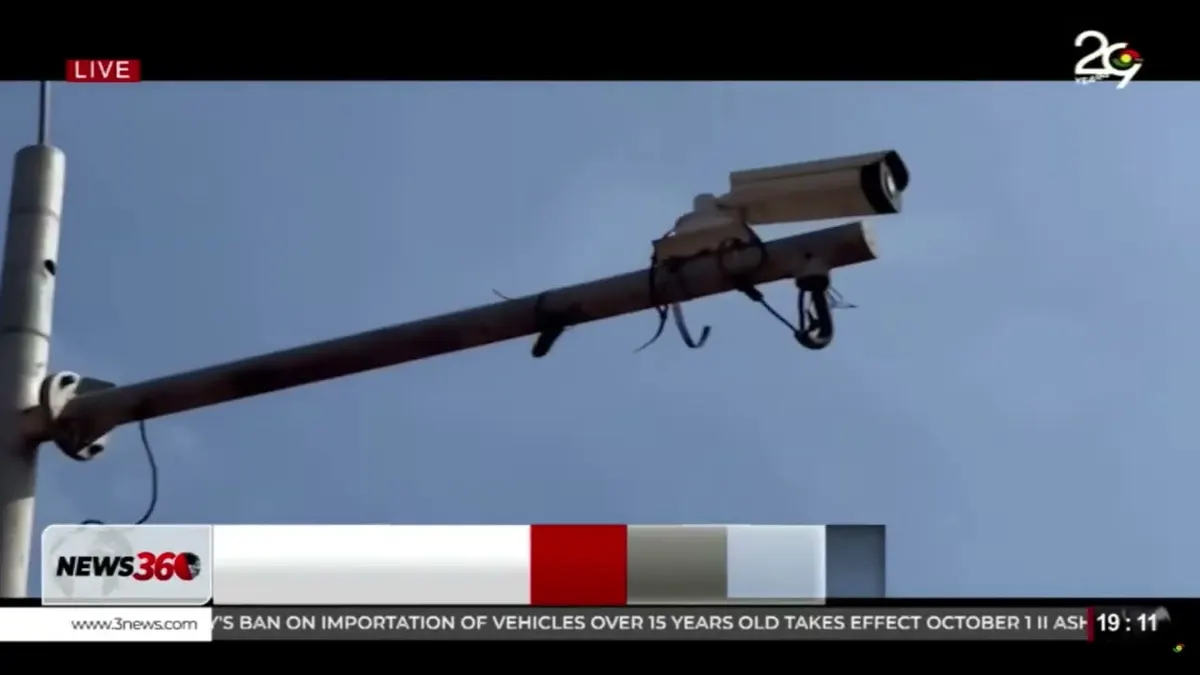

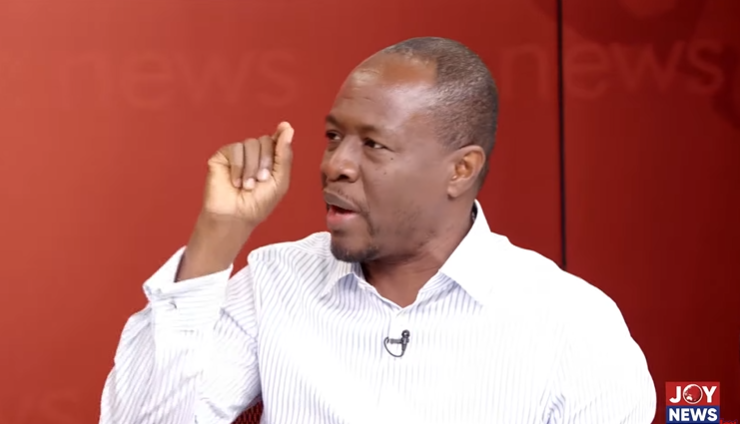
Roads and Highways Minister Kwasi Kwarteng has come out firmly in defence of Ghana's new automated traffic enforcement system, TraffiTech-GH, telling critics that the value of human life cannot be measured against the financial arrangements underpinning the scheme. His comments come as the system, which went live on 1st November 2026, continues to attract scrutiny from the public, civil society and members of parliament over its cost structure, perceived fairness and the terms of its revenue-sharing agreement.
What the Minister Said
Mr Kwarteng's central argument is straightforward: Ghana's roads are among the most dangerous on the continent, and any intervention that meaningfully reduces accidents and fatalities deserves support regardless of the commercial arrangements attached to it. He urged Ghanaians not to allow financial and contractual debates to overshadow what he described as the core purpose of the initiative — to enforce traffic regulations automatically, reduce human interference and ultimately bring down the number of road deaths recorded each year.
The minister acknowledged that public concern over how revenues generated from fines and penalties would be shared between the government and the private operator is legitimate, but maintained that such questions should not be used to undermine the system entirely. He indicated that the revenue-sharing structure was arrived at through proper procurement processes and that full details could be made available to satisfy transparency demands.
Why It Matters for Ghana
Ghana has long grappled with a road safety crisis of serious proportions. The country consistently records thousands of road traffic deaths and tens of thousands of injuries every year, placing an enormous burden on the public health system, families and the broader economy. A significant portion of these accidents has been linked to speeding, running of red lights and other traffic violations that manual enforcement has struggled to contain — partly due to limited police resources and partly due to concerns about corruption at checkpoints.
TraffiTech-GH represents one of the most ambitious attempts yet to address this gap through technology. By using automated cameras, sensors and digital ticketing, the system aims to remove the human element from enforcement, making it harder for offenders to negotiate their way out of penalties. If it functions as designed, proponents argue it could serve as a genuine deterrent and shift driver behaviour over time.
However, the concerns raised by critics are not trivial. Questions about whether the fine amounts are proportionate to the incomes of ordinary Ghanaian drivers, how appeal mechanisms will work for those who believe they have been wrongly fined, and whether the private operator's share of revenues is fair to the state, all deserve clear and honest answers from the government. Transparency in public-private partnerships of this nature is essential to maintaining public trust.
What Happens Next
With TraffiTech-GH now operational, the coming months will be critical in determining whether the system delivers on its road safety promises or becomes mired in controversy. Civil society groups and opposition figures are expected to maintain pressure on the government to publish the full contract terms, including the revenue-sharing breakdown, so that Ghanaians can assess whether the arrangement truly serves the public interest.
For now, Minister Kwarteng appears committed to holding the line in support of the initiative. His appeal to Ghanaians to put lives above costs may resonate with many who have lost loved ones on the country's roads — but for the system to earn lasting public confidence, the government will need to demonstrate not just good intentions, but genuine accountability in how TraffiTech-GH is managed and monitored going forward.
- Road safety advocates have long called for technology-driven enforcement on Ghanaian roads.
- Ghana records thousands of road traffic fatalities annually, one of West Africa's highest tolls.
- Critics are demanding full disclosure of the TraffiTech-GH contract and revenue-sharing terms.
Source: 3News



Comments (0)
Be the first to comment.